
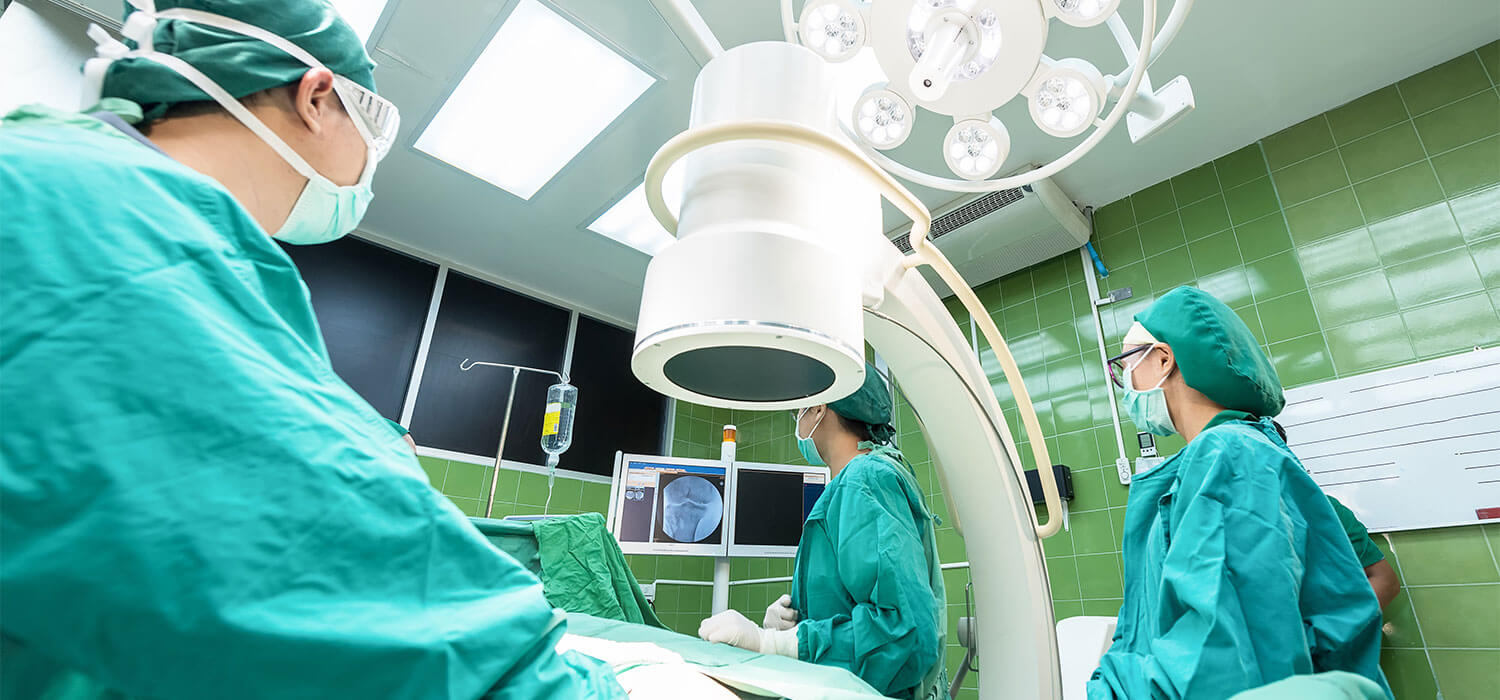
Gurgaon (administratively Gurugram district of Haryana) sits on the south-west edge of the National Capital Region and has emerged as one of India’s densest private tertiary healthcare clusters. The city does not host a federally funded cancer hospital at the scale of a tertiary cancer centre Delhi or a tertiary cancer centre Mumbai, but instead has a concentrated band of large multi-specialty tertiary hospitals along the Delhi-Jaipur expressway corridor and on Golf Course Road. This page is a directory and decision aid for patients and families in Gurgaon who have a suspicion, a biopsy result, or a confirmed diagnosis and need to decide where to seek care and how to pay for it. (See the ICMR-NCDIR cancer registries and the GLOBOCAN 2022 India fact sheet.)
What This Page Is: Cancer Care in Gurgaon From First Suspicion to Follow-Up
Cancer incidence specific to Gurgaon is not captured by a standalone population-based cancer registry. The nearest ICMR-NCDIR PBCR catchments are Delhi and a Haryana state-level cancer registry under the National Cancer Registry Programme. The Three Year Report of Population Based Cancer Registries 2012-2016 and the Report on Cancer Burden in India 2020 place Haryana’s age-adjusted incidence near the north Indian average, with the leading sites in women being breast, cervix uteri, ovary, and gallbladder, and in men being lung, oral cavity, prostate, and oesophagus. Gurgaon’s actual case mix, as reflected in the inpatient returns of its private tertiary hospitals, is weighted toward breast, lung, colorectal, head and neck, prostate, and haematological cancers, consistent with an urban high-income catchment plus a referral overflow from Delhi and neighbouring districts.
This page sets out which Gurgaon institutions run which tumour-board strengths, how the public pathway through Civil Hospital and a tertiary cancer centre referral works in practice, what the typical out-of-pocket cost bands look like for the commonest treatments, and which entitlements a Gurgaon resident can stack across Ayushman Bharat PMJAY, CGHS, ESIC, the Haryana Chief Minister’s Relief Fund, the Health Minister’s Cancer Patient Fund, and Rashtriya Arogya Nidhi.
Who Treats Cancer in Gurgaon: Three Institutional Layers
Gurgaon’s oncology ecosystem divides into three layers, because the public tertiary layer is structurally thinner here than in Delhi. A Gurgaon patient choosing where to go for cancer treatment is really choosing which of these three layers fits their clinical urgency, financial position, and insurance or entitlement status. The sections below walk through each layer, naming the institutions and the modalities they offer, so that a family can build an informed shortlist before the first appointment.
Private Tertiary Layer: leading cancer centres, and a leading cancer centre
a leading cancer centre The Medicity at Sector 38 runs a dedicated Cancer Institute under one roof with surgical oncology, medical oncology, radiation oncology, haemato-oncology, bone marrow transplant, nuclear medicine with PET-CT and PSMA PET-CT, and a robotic surgical programme using the da Vinci platform. a leading cancer centre has published peer-reviewed outcomes in gastrointestinal, hepatobiliary, thoracic, and gynaecologic oncology and runs disease management groups that include tumour boards for each primary site. a leading cancer centre at Sector 44 operates a full-spectrum cancer programme that includes a TrueBeam STx linear accelerator, brachytherapy, an adult and paediatric BMT unit, and a robotic surgery programme, and has historically been one of Gurgaon’s higher-volume referral destinations for international patients from South Asia, Africa, and the CIS region. a leading cancer centre at Sector 51 runs the a leading cancer centre Cancer Institute with surgical, medical, and radiation oncology, an autologous and allogeneic BMT service, and has been an early adopter of CAR-T cell therapy for relapsed B-cell lymphoma and acute lymphoblastic leukaemia through commercial and compassionate pathways. a leading cancer centre Gurgaon extends the a leading cancer centre network that is anchored at a leading cancer centre Saket in Delhi, with shared tumour boards and a common electronic medical record across sites. a leading cancer centre Gurgaon, a leading cancer centre Superspeciality Gurgaon, a leading cancer centre Gurgaon, and a leading cancer centre Gurgaon each run medical and surgical oncology and coordinate radiation oncology either in-house or through a partner centre.
Public and Quasi-Public Layer: Civil Hospital Gurgaon, PGIMS Rohtak, ESIC, and CGHS Pathways
Civil Hospital Gurgaon at Sector 10 is the district hospital under Haryana DGHS and provides outpatient oncology screening, surgical oncology referrals, and supportive care, but does not run an in-house radiation oncology bunker or a BMT unit. Employees covered under the Employees’ State Insurance Corporation scheme are served by the ESIC Model Hospital at Gurgaon with referral-out arrangements for tertiary oncology. Central government employees living in Gurgaon access care through the CGHS Wellness Centres in Gurgaon with referral to empanelled private hospitals or to a tertiary cancer centre Delhi. Haryana state residents with a valid domicile certificate can be referred to the Post Graduate Institute of Medical Sciences (PGIMS) Rohtak, which operates the state’s main public tertiary oncology service with radiation oncology, medical oncology, and surgical oncology, and to a tertiary cancer centre NCI Jhajjar for high-complexity work.
Cross-Border NCR Referral: a tertiary cancer centre Delhi, leading cancer centres Mumbai, and Proton Therapy
Because the Delhi border is a short drive from most Gurgaon sectors, a meaningful share of Gurgaon patients ultimately receive part of their care at Dr BRA-IRCH a tertiary cancer centre Delhi, a tertiary cancer centre Rohini, a leading cancer centre Pusa Road, a leading cancer centre, and a leading cancer centre Indraprastha. For paediatric haematological malignancies, complex sarcoma, and some transplant indications, a tertiary cancer centre (a tertiary cancer centre) Mumbai and ACTREC Navi Mumbai remain the national reference. Proton therapy, which is not available in Gurgaon, is accessed through referral to a leading cancer centre Proton Cancer Centre Chennai for paediatric central nervous system tumours, skull base chordomas, and re-irradiation cases.
Cancer Types and Subtypes Most Commonly Treated in Gurgaon
Gurgaon tertiary centres collectively treat the full spectrum of adult solid and haematological malignancies, and most paediatric cancers, with selective onward referral for rare tumours. The WHO Classification of Tumours 5th edition is the reference used for histopathology reporting across accredited NCR labs, and NABL accreditation is standard in the reference histopathology and molecular pathology services that Gurgaon hospitals use. Breast cancer is the single highest-volume solid tumour seen in Gurgaon women, in line with the urban north Indian profile. Subtypes worked up include hormone receptor positive luminal A and luminal B tumours, HER2-positive disease, triple-negative breast cancer including BRCA-associated tumours, and the less common inflammatory, mucinous, and metaplastic subtypes. Reflex ER, PR, HER2, and Ki-67 testing is universal at leading cancer centres in the region, and the larger reference labs, and HER2-low reporting per the ASCO/CAP 2023 update has been adopted across major Gurgaon centres.
Lung cancer workup in Gurgaon is driven by reflex molecular profiling for EGFR, ALK, ROS1, BRAF V600E, KRAS G12C, MET exon 14 skipping, RET, NTRK1/2/3, and HER2, with PD-L1 22C3 immunohistochemistry, because first-line therapy in advanced non-small cell lung cancer is biomarker-driven under ESMO and NCCN guidelines. Colorectal cancer is reflex tested for mismatch repair status by immunohistochemistry, with extended RAS, BRAF, HER2, and NTRK in metastatic disease. Prostate cancer workup in advanced disease includes homologous recombination repair gene panels covering BRCA1, BRCA2, ATM, PALB2, and CHEK2. Gastric cancer is reflex tested for HER2, mismatch repair, PD-L1 22C3 combined positive score, and Claudin 18.2 where managed access programmes are open. Head and neck cancer workup includes p16 immunohistochemistry and high-risk HPV testing for oropharyngeal primaries. Haematolymphoid disease is classified under WHO HAEM5 and the International Consensus Classification, with acute myeloid leukaemia risk stratified under ELN 2022 and myeloma under IMWG.
Molecular and Biomarker Testing Available Across Gurgaon
Biomarker-driven treatment selection is standard at every major Gurgaon cancer centre. NGS panels run in-house at a leading cancer centre, a leading cancer centre, and a leading cancer centre, and on a send-out basis from leading cancer centres in the region, and a leading cancer centre to NABL-accredited reference labs. Turnaround time for a hot-spot panel is five to seven working days and for a large panel is ten to fourteen working days across the city in 2026. Liquid biopsy has a limited but defined role; it is used at a leading cancer centre and a leading cancer centre for EGFR resistance testing in lung cancer at progression and for tissue-insufficient cases at diagnosis, in line with ESMO recommendations on circulating tumour DNA in clinical practice. It is not a substitute for a tissue biopsy when tissue can safely be obtained.
Symptoms and Red Flags: When a Gurgaon Resident Should Seek Oncology Referral
A breast lump, bloody or unilateral nipple discharge, skin dimpling, peau d’orange appearance, or a newly retracted nipple in a woman of any adult age is a reason for same-week referral to a breast clinic. In Gurgaon the principal breast clinics run at a leading cancer centre Breast Services, a leading cancer centre Breast Centre, a leading cancer centre Breast Unit, a leading cancer centre Gurgaon Breast Clinic, and a leading cancer centre Breast Unit, with triple assessment (clinical, imaging, and core biopsy) completed typically within one or two visits. Public-pathway patients are routed from Civil Hospital Gurgaon to a tertiary cancer centre Delhi or PGIMS Rohtak.
Persistent cough of more than three weeks, haemoptysis, unexplained weight loss, a hoarse voice lasting more than three weeks, or recurrent chest infections in an adult, particularly a current or former smoker including bidi and hookah users, should prompt a chest X-ray and, if abnormal, a contrast CT of the thorax and upper abdomen. The IARC Monograph 109 identifies outdoor air pollution and particulate matter as Group 1 carcinogens, and the annual mean PM2.5 concentrations recorded by the Central Pollution Control Board at Gurgaon monitoring stations have consistently exceeded the WHO Air Quality Guideline value over the last decade, which is a relevant background exposure even for Gurgaon residents who have never smoked.
Postcoital bleeding, intermenstrual bleeding, or any postmenopausal bleeding is an immediate referral to a gynaecologic oncology unit. Gurgaon gynaecologic oncology services run at leading cancer centres in the region Gurgaon, and a leading cancer centre, with colposcopy, high-risk HPV testing on validated platforms, and MRI-based staging. CERVAVAC, the first indigenous HPV vaccine licensed in India in 2022, and the quadrivalent and nonavalent imported HPV vaccines are available through private paediatric and gynaecology clinics in Gurgaon. A change in bowel habit lasting more than four weeks, rectal bleeding, iron deficiency anaemia in a man or a postmenopausal woman, or unexplained abdominal pain with weight loss should trigger a colonoscopy at a leading cancer centre Institute of Digestive and Hepatobiliary Sciences, a leading cancer centre Gastrointestinal Oncology, a leading cancer centre GI Oncology, and a leading cancer centre Gurgaon.
Painless progressive jaundice, particularly with a palpable gallbladder, is an urgent referral because the differential includes periampullary and gallbladder cancers, both of which are over-represented in the north Indian catchment that Gurgaon hospitals draw from. Gallbladder cancer is one of the commonest gastrointestinal cancers in women in north India. The hepatopancreatobiliary surgical oncology units at a leading cancer centre and a leading cancer centre are the principal high-volume Gurgaon destinations, with onward referral to ILBS Delhi and a tertiary cancer centre for complex liver resection and transplant oncology. Painless lymphadenopathy lasting more than four weeks, particularly with B symptoms of fever, drenching night sweats, and weight loss, is a haematology referral; excision biopsy, not FNAC alone, is the standard for lymphoma diagnosis per the Lugano classification and WHO HAEM5. Paediatric presentations with unexplained pallor, bruising, bone pain, or an abdominal mass are referred to the paediatric haematology-oncology units at a leading cancer centre, a leading cancer centre, and a leading cancer centre, with onward referral to a tertiary cancer centre Delhi and a tertiary cancer centre Mumbai for the highest-complexity cases.
Air Pollution, Tobacco, and Gurgaon-Specific Cancer Risk Factors
Tobacco, smoked and smokeless, remains the single largest attributable cause of cancer in north India and Gurgaon. Smokeless tobacco (gutkha, khaini, zarda, paan masala) drives a disproportionate share of oral cavity cancer in Gurgaon residents, and bidi and hookah use contributes to lung, larynx, and hypopharynx cancer. Ambient air pollution is a Group 1 carcinogen for lung cancer per IARC Monograph 109, and Gurgaon’s annual mean PM2.5 concentrations have consistently exceeded the WHO Air Quality Guideline value over the last decade, which is a relevant background exposure for Gurgaon residents presenting with lung symptoms even without tobacco use. Dietary and metabolic factors, obesity, type 2 diabetes, and physical inactivity are rising in Gurgaon as in other Indian metros and are implicated in breast, endometrial, colorectal, kidney, pancreas, liver, and gallbladder cancers. HPV remains the cause of effectively all cervical cancers and a growing share of oropharyngeal cancers in Gurgaon. Hepatitis B and C are relevant for the liver cancer caseload presenting to a tertiary cancer centre and ILBS.
How a New Cancer Diagnosis Unfolds in Gurgaon: Private and Public Pathways
Diagnosis in Gurgaon moves through three gates: imaging, tissue, and molecular. Imaging is available across the private tertiary belt and at PGIMS Rohtak in the public sector. leading cancer centres Gurgaon, leading cancer centres, and a leading cancer centre run multidetector CT, 1.5T and 3T MRI, digital mammography with tomosynthesis, and PET-CT on site, with most sites running more than one PET scanner and a daily slot pattern for oncology referrals. Whole-body diffusion MRI is available at a leading cancer centre and a leading cancer centre for myeloma and select paediatric indications per the MY-RADS and Oncology Imaging Reporting and Data System frameworks issued under the NCI Cancer Imaging Program.
Tissue Diagnosis, Histopathology, and Immunohistochemistry in Gurgaon
Tissue diagnosis is the step where Gurgaon patients most often lose time. The correct order is image-guided core biopsy or excision biopsy at the treating hospital, reported by a subspecialty pathologist, with ancillary immunohistochemistry and, where indicated, fluorescence in situ hybridisation. FNAC alone is insufficient for lymphoma, sarcoma, and most solid tumour subtyping, per WHO Classification of Tumours 5th edition and the College of American Pathologists reporting protocols referenced by the a tertiary cancer centre evidence-based management guidelines. Labs at leading cancer centres in the region, and a leading cancer centre Gurgaon hold NABL accreditation under ISO 15189, and the three largest reference labs used for send-out work are accredited under the same standard. Histopathology is reported using the WHO Classification of Tumours 5th edition with standard reflex IHC panels including ER, PR, HER2, and Ki-67 for breast carcinoma, with HER2-low recognised per ASCO/CAP 2023. Lung adenocarcinoma is reflex tested for EGFR, ALK, ROS1, BRAF V600E, KRAS G12C, MET exon 14, RET, NTRK1/2/3, HER2, and PD-L1 22C3 CPS using NGS panels.
Imaging and Nuclear Medicine: PET-CT, MRI, and PSMA Scans in Gurgaon
Imaging across Gurgaon is delivered on 1.5T and 3T MRI platforms, 64 to 256-slice CT, dedicated digital mammography with tomosynthesis, and PET-CT. leading cancer centres Gurgaon, a leading cancer centre, and a leading cancer centre operate FDG PET-CT. PSMA PET-CT for prostate cancer staging, validated by the proPSMA randomised trial, is available at a leading cancer centre and a leading cancer centre for biochemical recurrence and high-risk staging. Mammography screening for women aged 40 and older follows the ACR BI-RADS reporting framework at Gurgaon private centres, with Gurgaon residents in the public pathway accessing screening through a tertiary cancer centre Delhi, a tertiary cancer centre, and PGIMS Rohtak. Cervical screening uses VIA, LBC, and HPV DNA testing aligned to the WHO global strategy for cervical cancer elimination. Faecal immunochemical testing and colonoscopy are deployed at leading cancer centres in the region, and a leading cancer centre Gurgaon for symptomatic and high-risk screening per ESMO guidance.
Genetic Counselling and Hereditary Cancer Testing in Gurgaon
Genetic counselling and germline testing for hereditary cancer syndromes are offered at a leading cancer centre Genomics, a leading cancer centre genetic services, and accredited NCR private labs. Panels cover BRCA1/BRCA2, PALB2, ATM, CHEK2, TP53, PTEN, STK11, CDH1, MLH1, MSH2, MSH6, PMS2, EPCAM, APC, MUTYH, BMPR1A, and SMAD4 per NCCN Genetic/Familial High-Risk Assessment and ESMO guidance. In Gurgaon, a patient with triple-negative breast cancer under 60, ovarian cancer at any age, pancreatic cancer with a family history, or early-onset colorectal cancer should ask the treating oncologist for a genetics referral, since a positive result changes treatment (PARP inhibitors for BRCA-mutant tumours) and alters surveillance for the entire family.
Staging Systems Used by Gurgaon Tumour Boards
Staging in Gurgaon follows the AJCC 8th edition TNM system for solid tumours, the Lugano classification for lymphomas, and the Revised International Staging System for myeloma, with the WHO 5th edition driving subtype assignment in haematolymphoid disease. Cervical cancer staging follows FIGO 2018, which integrates imaging and pathology, and is the version used at leading cancer centres in the region, and PGIMS Rohtak. For breast cancer, anatomic stage is supplemented by a prognostic stage that incorporates ER, PR, HER2, and grade, and for early-stage ER-positive HER2-negative disease, Oncotype DX and MammaPrint are ordered on a send-out basis at leading cancer centres in the region, and a leading cancer centre when the result would change the adjuvant chemotherapy decision, in line with the TAILORx and RxPONDER evidence referenced by NCCN and ESMO. For non-small-cell lung cancer, PET-CT and contrast-enhanced MRI of the brain are the standard staging pair, with endobronchial ultrasound available at leading cancer centres in the region, and a leading cancer centre Gurgaon for mediastinal nodal assessment per ESMO guidance. For rectal cancer, high-resolution pelvic MRI is the staging investigation that drives the decision between total neoadjuvant therapy and upfront surgery. Tumour boards are the governance mechanism that turns staging into a treatment plan. a leading cancer centre runs disease-specific boards for breast, thoracic, gastrointestinal, genitourinary, gynaecological, head and neck, neuro-oncology, haematology, and paediatric oncology on a weekly cycle. leading cancer centres Gurgaon, a leading cancer centre, and a leading cancer centre run combined solid tumour and haematology boards with subspecialty breakouts. PGIMS Rohtak runs a weekly combined board under the a tertiary cancer centre mandate. A patient is entitled to ask that their case be tabled before a treatment plan is finalised and to receive a written summary of the board decision.
Surgical Oncology in Gurgaon: Open, Laparoscopic, and Robotic Procedures
Oncological surgery in Gurgaon is delivered by subspecialty teams at leading cancer centres in the region, and a leading cancer centre, with breast, thoracic, gastrointestinal, hepatopancreatobiliary, genitourinary, gynaecological, head and neck, and musculoskeletal oncology represented across the belt. Robotic surgery is available at leading cancer centres in the region, and a leading cancer centre with the da Vinci Xi platform used for prostatectomy, partial nephrectomy, radical cystectomy, low anterior resection, radical hysterectomy, and transoral robotic surgery for oropharyngeal tumours. Minimally invasive oesophagectomy and pancreaticoduodenectomy are performed at a leading cancer centre and a leading cancer centre in defined volume ranges. Breast-conserving surgery with oncoplastic reconstruction and sentinel lymph node biopsy using dual tracer is the default for early breast cancer at all major units, in line with NCCN and ESMO guidance.
Radiation Oncology in Gurgaon: IMRT, SBRT, Brachytherapy, and Proton Referral
External beam radiotherapy is delivered on Varian TrueBeam, Elekta Versa HD, and Halcyon linear accelerators across leading cancer centres, and a leading cancer centre. Intensity-modulated radiotherapy, volumetric modulated arc therapy, image-guided radiotherapy, and stereotactic body radiotherapy are the standard techniques in 2026. MR-linac is available at a leading cancer centre. Stereotactic radiosurgery for brain metastases and benign intracranial lesions is delivered on Gamma Knife at a leading cancer centre and a leading cancer centre and on CyberKnife at a leading cancer centre. Brachytherapy for cervical cancer is delivered on high-dose-rate iridium-192 platforms at leading cancer centres in the region, and PGIMS Rohtak, with image-guided adaptive brachytherapy per the EMBRACE-II protocol adopted at a leading cancer centre and a leading cancer centre. Proton therapy is not available in Gurgaon in 2026; referral for paediatric central nervous system tumours and selected chordomas is made to a leading cancer centre Proton Cancer Centre in Chennai.
Medical Oncology in Gurgaon: Chemotherapy Backbones and Biosimilars
Systemic therapy in Gurgaon covers cytotoxic chemotherapy, endocrine therapy, targeted therapy, immunotherapy, and cellular therapy. Drug availability follows the Central Drugs Standard Control Organisation approval list, and the practice pattern aligns with NCCN and ESMO guidelines as adapted by the a tertiary cancer centre evidence-based management framework. In breast cancer, adjuvant endocrine therapy uses tamoxifen, letrozole, anastrozole, and exemestane, with ovarian function suppression by goserelin or leuprolide in premenopausal high-risk disease per the SOFT and TEXT trials. Adjuvant HER2-directed therapy is trastuzumab with pertuzumab in node-positive disease per APHINITY, and adjuvant T-DM1 for residual disease after neoadjuvant therapy per KATHERINE. Neoadjuvant pembrolizumab with chemotherapy for triple-negative disease follows KEYNOTE-522. First-line metastatic CDK4/6 inhibition uses palbociclib, ribociclib, or abemaciclib per PALOMA-2, MONALEESA-2, MONALEESA-7, and MONARCH-3.
In non-small-cell lung cancer, first-line osimertinib is the standard for EGFR-mutant disease per FLAURA and FLAURA2, alectinib or lorlatinib for ALK-positive disease per ALEX and CROWN, entrectinib or repotrectinib for ROS1-positive disease per TRIDENT-1, and pembrolizumab monotherapy or in combination with chemotherapy for PD-L1-driven decisions per KEYNOTE-024, KEYNOTE-189, and KEYNOTE-407. Adjuvant osimertinib follows ADAURA and adjuvant atezolizumab follows IMpower010. In colorectal cancer, FOLFOX, CAPOX, and FOLFIRI are the backbone regimens, with bevacizumab, cetuximab, or panitumumab added based on RAS, BRAF, and sidedness per FIRE-3 and CALGB 80405. Encorafenib with cetuximab is used in BRAF V600E-mutant metastatic disease per BEACON CRC. In gastric and gastroesophageal junction cancer, FLOT is the neoadjuvant standard per FLOT4, and first-line metastatic therapy uses fluoropyrimidine-platinum with trastuzumab in HER2-positive disease per ToGA, with pembrolizumab or nivolumab added per KEYNOTE-859 and CheckMate 649.
Targeted Therapy and Immunotherapy Across Gurgaon Cancer Centres
Targeted therapy and immune checkpoint inhibitors in routine Gurgaon practice include trastuzumab biosimilars (Biocon CANMAb, Hetero, Zydus), pertuzumab, T-DM1, and trastuzumab deruxtecan per DESTINY-Breast03 and DESTINY-Breast04; CDK4/6 inhibitors palbociclib, ribociclib, and abemaciclib per PALOMA-2, MONALEESA-2, MONALEESA-7, and MONARCH-3; PARP inhibitors olaparib, talazoparib, niraparib, and rucaparib per OlympiA, OlympiAD, EMBRACA, and MAGNITUDE; EGFR TKIs osimertinib per FLAURA and FLAURA2; ALK TKIs alectinib per ALEX and lorlatinib per CROWN; ROS1 repotrectinib per TRIDENT-1; and immune checkpoint inhibitors pembrolizumab, nivolumab, atezolizumab, durvalumab, ipilimumab, and tremelimumab across KEYNOTE and CheckMate trials referenced by ESMO and NCCN guidelines. In prostate cancer, lutetium-177 PSMA-617 is available at a leading cancer centre under a nuclear medicine programme aligned to the VISION trial readout.
Bone Marrow Transplant, CAR-T Cell Therapy, and Theranostics in Gurgaon
Allogeneic and autologous haematopoietic stem cell transplantation is delivered at leading cancer centres in the region, and a leading cancer centre Gurgaon, with matched sibling, matched unrelated, and haploidentical donor programmes running in 2026. CAR-T cell therapy with commercial products is available at a leading cancer centre under the CDSCO-approved pathway, and at a leading cancer centre and a leading cancer centre on a referral basis. Indian-manufactured CAR-T products are used where commercial supply is constrained, within the framework set out by the Central Drugs Standard Control Organisation. Theranostics with 177Lu-DOTATATE (PRRT) for neuroendocrine tumours and 177Lu-PSMA-617 for prostate cancer are delivered at a leading cancer centre. Radium-223 for metastatic castration-resistant prostate cancer is available at select Gurgaon centres.
Supportive, Palliative, and Survivorship Care in Gurgaon
Palliative care services are embedded in the oncology departments at leading cancer centres in the region, and a leading cancer centre Gurgaon, with inpatient consultation, outpatient symptom clinics, and home care programmes. The Indian Association of Palliative Care standards and the WHO palliative care framework guide practice. Pain management uses oral morphine, fentanyl patches, and interventional procedures including coeliac plexus block. Psycho-oncology services are available at a leading cancer centre, a leading cancer centre, and a leading cancer centre. Survivorship clinics for breast cancer and paediatric cancer are run at a leading cancer centre and a leading cancer centre. Onco-fertility counselling with sperm and oocyte cryopreservation is available at a leading cancer centre, a leading cancer centre, and a leading cancer centre in partnership with reproductive medicine units.
Indicative Cost of Cancer Diagnosis and Imaging in Gurgaon
Cost ranges below are indicative 2025 to 2026 figures collated from published a tertiary cancer centre reference pricing, CGHS empanelled-hospital package rates updated in 2024, Ayushman Bharat PMJAY Health Benefit Package 2.2 oncology codes, and publicly listed package grids at Gurgaon tertiary hospitals. Ranges span from a PMJAY-empanelled private pathway at the lowest end through to a deluxe single-room package at leading cancer centres in the region, or a leading cancer centre at the upper end. Cost moves with the specific regimen, disease stage, body surface area, length of stay, room category, choice of biosimilar versus originator biologic, and whether a patient qualifies for PMJAY, CGHS, ECHS, ESIC, the Haryana Mukhyamantri Antyodaya Parivar Utthan Yojana, the Health Minister’s Cancer Patient Fund, or hospital charity pools.
Diagnostic workup for a newly suspected solid tumour, covering contrast CT of the relevant region, tumour-marker panel, core biopsy under image guidance, histopathology with a standard IHC panel, and multidisciplinary tumour board review, lands between roughly 20,000 and 1,05,000 rupees across the Gurgaon private belt. Whole-body FDG PET-CT ranges between roughly 16,000 and 30,000 rupees. PSMA PET-CT for prostate staging ranges between roughly 20,000 and 35,000 rupees. NGS solid-tumour panels run between roughly 30,000 and 1,80,000 rupees depending on gene count and whether RNA fusion testing is included. BRCA1/BRCA2 and multigene hereditary panels run between roughly 20,000 and 55,000 rupees. At PGIMS Rohtak or through a tertiary cancer centre Delhi referral, diagnostic workup cost drops by 40 to 60 percent.
Indicative Cost of Cancer Surgery in Gurgaon
Curative-intent surgery package ranges at Gurgaon private hospitals: breast conservation with sentinel lymph node biopsy sits between roughly 1,30,000 and 4,20,000 rupees. Modified radical mastectomy with axillary clearance sits between roughly 1,60,000 and 4,50,000 rupees. Robot-assisted radical prostatectomy sits between roughly 3,80,000 and 10,00,000 rupees. Anatomic VATS or robotic lobectomy for early NSCLC sits between roughly 3,80,000 and 9,50,000 rupees. D2 gastrectomy sits between roughly 3,00,000 and 8,00,000 rupees. Whipple pancreaticoduodenectomy sits between roughly 3,80,000 and 10,50,000 rupees. Hepatic resection sits between roughly 3,80,000 and 11,50,000 rupees. Low anterior resection with TME sits between roughly 3,00,000 and 8,00,000 rupees. Cytoreduction with HIPEC sits between roughly 7,00,000 and 15,00,000 rupees. Debulking surgery for ovarian cancer sits between roughly 2,80,000 and 8,00,000 rupees. Composite resection with free flap for oral cancer sits between roughly 3,80,000 and 10,00,000 rupees.
Indicative Cost of Radiation Therapy in Gurgaon
Radiation oncology package ranges at Gurgaon centres: a full course of 3D-CRT sits between roughly 1,20,000 and 3,80,000 rupees. IMRT or VMAT for a standard curative course sits between roughly 2,00,000 and 5,80,000 rupees. SBRT for early-stage NSCLC, oligometastatic disease, or HCC sits between roughly 2,20,000 and 7,00,000 rupees. CyberKnife stereotactic radiosurgery at a leading cancer centre or Gamma Knife at a leading cancer centre and a leading cancer centre sits between roughly 2,80,000 and 8,00,000 rupees. HDR brachytherapy for cervical cancer per EMBRACE-II sits between roughly 60,000 and 2,40,000 rupees for a full course. MR-LINAC adaptive radiotherapy at a leading cancer centre sits between roughly 3,80,000 and 10,00,000 rupees.
Indicative Cost of Systemic, Targeted, and Immune Therapy in Gurgaon
Systemic therapy cost ranges per cycle at Gurgaon day-care units, based on biosimilar pricing where applicable: CAPOX per cycle sits between roughly 14,000 and 48,000 rupees. FOLFOX per cycle sits between roughly 16,000 and 58,000 rupees. AC-T per cycle sits between roughly 12,000 and 38,000 rupees. TCHP per cycle on originator trastuzumab and pertuzumab sits between roughly 70,000 and 2,30,000 rupees, dropping to roughly 38,000 to 1,20,000 rupees on Indian biosimilars. Carboplatin plus paclitaxel doublet per cycle sits between roughly 9,000 and 28,000 rupees. R-CHOP per cycle sits between roughly 28,000 and 80,000 rupees. Pola-R-CHP per cycle sits between roughly 2,90,000 and 5,40,000 rupees. Daratumumab subcutaneous per dose sits between roughly 2,30,000 and 4,00,000 rupees. Lenalidomide on Indian generics monthly sits between roughly 5,000 and 24,000 rupees.
Targeted and immune therapy monthly ranges at Gurgaon centres: osimertinib monthly sits between roughly 1,20,000 and 3,30,000 rupees, with patient assistance pathways lowering the outlay at select units. Imatinib under a leading cancer centre Foundation GIPAP is provided free to eligible CML patients at linked Indian centres. Ibrutinib monthly sits between roughly 70,000 and 2,90,000 rupees. Olaparib monthly sits between roughly 95,000 and 3,30,000 rupees. Pembrolizumab per 3-weekly cycle sits between roughly 1,80,000 and 3,60,000 rupees. Nivolumab per 2-weekly cycle sits between roughly 95,000 and 2,30,000 rupees, with Hetero and BDR biosimilar nivolumab lowering cost where approved. Trastuzumab deruxtecan per cycle sits between roughly 4,60,000 and 8,80,000 rupees. Enfortumab vedotin per cycle sits between roughly 4,90,000 and 9,20,000 rupees.
Indicative Cost of Cellular Therapy and Theranostics in Gurgaon
Cellular therapy and theranostics at Gurgaon centres: autologous stem cell transplant sits between roughly 9,00,000 and 24,00,000 rupees. Matched sibling or matched unrelated donor allogeneic transplant sits between roughly 16,00,000 and 48,00,000 rupees. Haploidentical transplant sits between roughly 20,00,000 and 48,00,000 rupees. Indigenous NexCAR19 CAR-T at ImmunoACT-linked centres sits in the region of 30,00,000 to 42,00,000 rupees as published on launch. 177Lu-PSMA-617 per cycle sits between roughly 4,80,000 and 8,00,000 rupees. 177Lu-DOTATATE PRRT per cycle sits between roughly 4,80,000 and 7,80,000 rupees. Radium-223 per injection sits between roughly 4,00,000 and 6,80,000 rupees.
Entitlements and Financial Support: PMJAY, CGHS, Haryana State Schemes, and Charity Pathways
PMJAY (Ayushman Bharat) covers oncology under the Health Benefit Package 2.2 with defined package rates for surgery, chemotherapy, radiation, and supportive care at empanelled hospitals, with Haryana implementing the scheme through the Ayushman Bharat-Chirayu Haryana portal. CGHS and ECHS provide reimbursement at approved rates to central government employees and ex-servicemen at empanelled hospitals in Gurgaon and Delhi. The Health Minister’s Cancer Patient Fund under Rashtriya Arogya Nidhi provides one-time assistance up to 15 lakh rupees for below-poverty-line cancer patients treated at regional cancer centres including PGIMS Rohtak and a tertiary cancer centre. The Haryana state government runs a Chief Minister’s Relief Fund that accepts medical assistance applications from Haryana domicile holders. Hospital-based charity pools at a leading cancer centre, a leading cancer centre, and a leading cancer centre, the Indian Cancer Society, CanSupport, CanKids KidsCan, and Cuddles Foundation extend means-tested support for paediatric and adult oncology patients in the NCR. Patients should request a written, itemised estimate and a package-versus-non-package comparison before admission, and should ask whether a biosimilar substitution is acceptable for trastuzumab, rituximab, bevacizumab, pegfilgrastim, and pertuzumab, since this single decision often halves systemic therapy cost.
Patient and Family FAQs: First Week, Second Opinions, Private Versus Public, and Financial Planning
How should a Gurgaon resident with a new suspicion of cancer approach the first week? First, ask the referring physician to write a provisional diagnosis and a clear next-step list. Second, consolidate prior imaging, blood work, and any biopsy slides and blocks into a single folder, since tumour boards at leading cancer centres in the region, and a leading cancer centre will request blocks for central review. Third, book an appointment at one of the city’s tertiary units or, if out-of-pocket cost is a constraint, at PGIMS Rohtak or through a referral to a tertiary cancer centre Delhi. Fourth, ask the treating unit to present the case at a multidisciplinary tumour board before any cancer-directed therapy starts.
Is a second opinion appropriate and how to request one? A second opinion is a standard part of cancer care and is routinely offered by Gurgaon tertiary centres. Patients can obtain a formal second opinion at a different Gurgaon hospital, at a tertiary cancer centre Delhi, at a tertiary cancer centre Rohini, or through the a tertiary cancer centre central pathology review pathway. A second opinion is specifically valuable before major surgery such as Whipple, cytoreduction with HIPEC, or pelvic exenteration, before a decision to escalate to allogeneic transplant or CAR-T, and before starting a high-cost targeted therapy that may run for years.
How to choose between the Gurgaon private pathway and the Delhi public pathway? A Gurgaon family with limited means who qualifies for PMJAY or CGHS can access cancer care at a tertiary cancer centre Dr BRA-IRCH, a tertiary cancer centre, or a tertiary cancer centre in Delhi at subsidised or nil out-of-pocket cost, with the tradeoff that waiting times for elective imaging, surgery, or radiotherapy may run from several weeks to a few months. A patient with corporate insurance, personal savings, or broad health cover may prefer the Gurgaon private corridor for faster scheduling, single-room stays, robotic surgery platforms, MR-LINAC, and the full spectrum of biosimilars and targeted therapies. Many NCR families use a hybrid approach: initial biopsy and molecular workup in Gurgaon, surgery in a private unit, then systemic therapy shared between a private day-care unit and a public satellite.
How to verify a doctor and an institution in Gurgaon? Verify the oncologist’s registration on the Haryana Medical Council or the relevant State Medical Council online register and check the National Medical Commission national register for recognised postgraduate qualifications (MD, DM Medical Oncology, MCh Surgical Oncology, MD Radiation Oncology, DrNB equivalents). Prefer hospitals accredited by the National Accreditation Board for Hospitals and Healthcare Providers (NABH) and laboratories accredited by the National Accreditation Board for Testing and Calibration Laboratories (NABL).
How to decide between a biosimilar and an originator biologic? Indian biosimilars of trastuzumab, rituximab, bevacizumab, pegfilgrastim, and pertuzumab are approved by CDSCO and are used routinely at leading cancer centres in the region, and other Gurgaon units. Clinical efficacy is considered equivalent at substantially lower cost, and patients should feel comfortable requesting a biosimilar option when reviewing the treatment plan and the itemised estimate.
What about clinical trials in Gurgaon? Patients at leading cancer centres in the region Gurgaon, and a leading cancer centre can be screened for open oncology trials. The Indian Council of Medical Research registers Indian trials in the Clinical Trials Registry of India, and global trials are listed on ClinicalTrials.gov. A trial may offer access to a drug approved abroad but not yet marketed in India, at nil drug cost.
How to organise travel and lodging for families coming to Gurgaon from other states? Gurgaon receives referral patients from south Haryana, western Uttar Pradesh, Rajasthan, Punjab, and Himachal Pradesh. Hospital-attached guest houses operate at a leading cancer centre and a leading cancer centre. Families should plan for a minimum of two caregivers in rotation, one medical file custodian with copies of every report and a dated event log, and a single WhatsApp group with the treating unit’s coordinator for appointment updates. CanSupport, the Indian Cancer Society, and Cuddles Foundation can assist with practical support in the NCR.
How to plan finances and insurance for cancer treatment in Gurgaon? Review the health insurance policy for oncology coverage, waiting periods, room-rent limits, co-pay clauses, and whether domiciliary chemotherapy and day-care procedures are covered. Ask the hospital’s billing desk for a written estimate before admission and request a cashless pre-authorisation where applicable. Check PMJAY, CGHS, ECHS, ESIC eligibility in parallel. For high-cost drugs, ask the treating oncologist to connect the patient to manufacturer patient assistance programmes, for example a leading cancer centre Foundation GIPAP for imatinib, and access pathways for trastuzumab, osimertinib, ibrutinib, venetoclax, and pembrolizumab.
Questions to Ask at Every Tumour Board Decision Point in Gurgaon
What is the TNM or site-specific stage? What is the biomarker panel and has reflex testing been done in line with ESMO and NCCN guidance? Is surgery curative-intent or palliative? Is neoadjuvant therapy indicated and why? What is the expected benefit of systemic therapy in absolute terms? What are the side effects and how will they be monitored? Is there a clinical trial that should be considered? What is the palliative and supportive care plan? What is the follow-up surveillance plan per ESMO and NCCN? What is the written cost estimate and are biosimilar substitutions available?
Treatment Options
Cancer Treatments Available in Gurgaon
Explore treatment options, costs, top hospitals, and specialists for each cancer type in Gurgaon.
- Bladder Cancer Treatment in Gurgaon
- Blood Cancer Treatment in Gurgaon
- Bone Cancer Treatment in Gurgaon
- Brain Tumour Treatment in Gurgaon
- Breast Cancer Treatment in Gurgaon
- Cervical Cancer Treatment in Gurgaon
- Colon Cancer Treatment in Gurgaon
- Esophageal Cancer Treatment in Gurgaon
- Head & Neck Cancer Treatment in Gurgaon
- Kidney Cancer Treatment in Gurgaon
- Liver Cancer Treatment in Gurgaon
- Lung Cancer Treatment in Gurgaon
- Lymphoma Treatment in Gurgaon
- Multiple Myeloma Treatment in Gurgaon
- Oral Cancer Treatment in Gurgaon
- Ovarian Cancer Treatment in Gurgaon
- Pancreatic Cancer Treatment in Gurgaon
- Prostate Cancer Treatment in Gurgaon
- Rectal Cancer Treatment in Gurgaon
- Sarcoma Treatment in Gurgaon
- Skin Cancer Treatment in Gurgaon
- Stomach Cancer Treatment in Gurgaon
- Thyroid Cancer Treatment in Gurgaon
- Uterine Cancer Treatment in Gurgaon
Learn More About Each Cancer Type
- Bladder Cancer — Complete Guide
- Blood Cancer — Complete Guide
- Bone Cancer — Complete Guide
- Brain Tumour — Complete Guide
- Breast Cancer — Complete Guide
- Cervical Cancer — Complete Guide
- Colon Cancer — Complete Guide
- Esophageal Cancer — Complete Guide
- Head & Neck Cancer — Complete Guide
- Kidney Cancer — Complete Guide
- Liver Cancer — Complete Guide
- Lung Cancer — Complete Guide
- Lymphoma — Complete Guide
- Multiple Myeloma — Complete Guide
- Oral Cancer — Complete Guide
- Ovarian Cancer — Complete Guide
- Pancreatic Cancer — Complete Guide
- Prostate Cancer — Complete Guide
- Rectal Cancer — Complete Guide
- Sarcoma — Complete Guide
- Skin Cancer — Complete Guide
- Stomach Cancer — Complete Guide
- Thyroid Cancer — Complete Guide
- Uterine Cancer — Complete Guide