
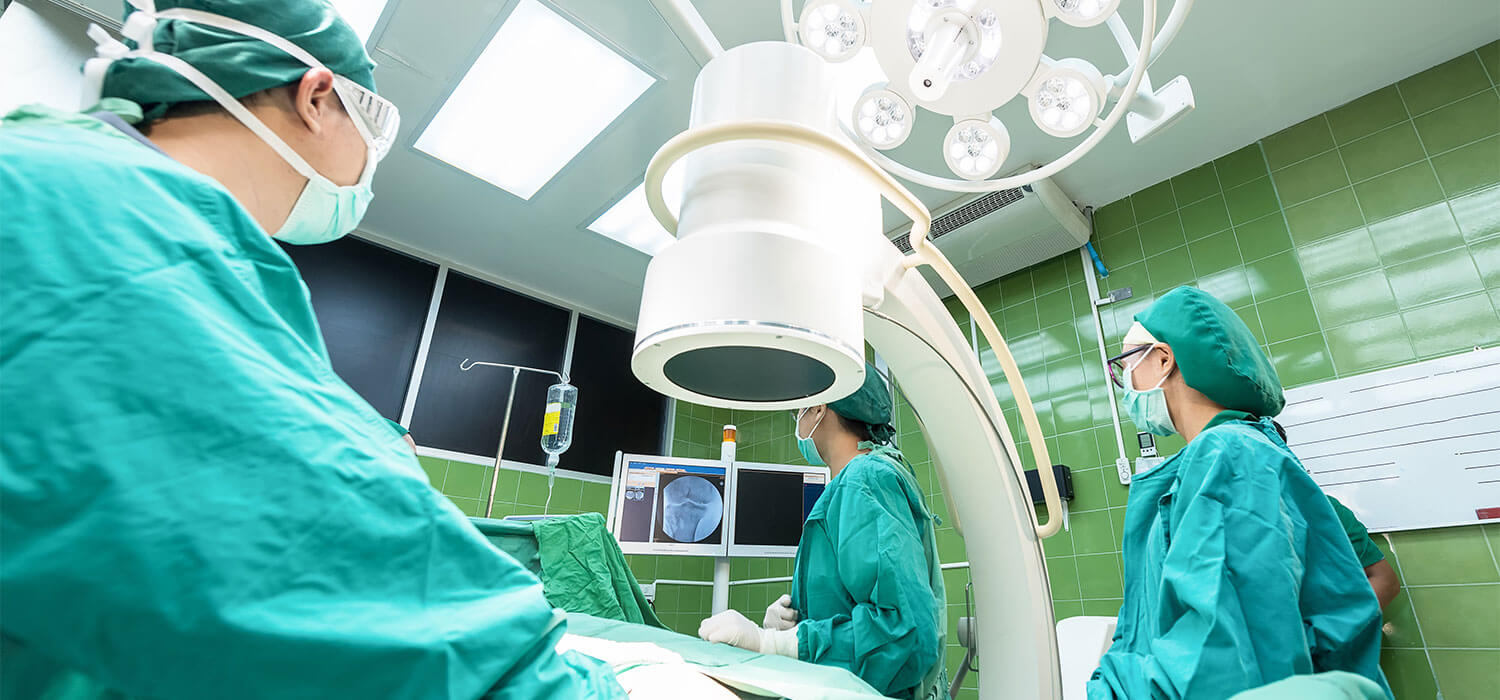
Palliative care for cancer in India
Early, specialist relief of pain, breathlessness, nausea, fatigue, and emotional distress, alongside your cancer treatment, not after it. Care, kept close.
Quick facts about palliative care in India
- Palliative care runs alongside chemotherapy, radiation, targeted therapy, and immunotherapy, not after.
- The WHO defines it as care that improves quality of life for patients and families facing a life-threatening illness.
- The ICMR National Cancer Grid recommends palliative integration from the point of diagnosis for any patient with advanced disease or high symptom burden.
- The landmark Temel trial showed early palliative care in metastatic lung cancer improved quality of life, reduced depression, and extended survival.
- Kerala runs the country’s strongest community home-care model; CanSupport (Delhi), Karunashraya (Bengaluru), Shanti Avedna (Mumbai), and Pallium India (Thiruvananthapuram) provide free or subsidised care.
- Since the 2018 Common Cause Supreme Court judgment (procedure revised 2023), advance directives and living wills are legally recognised in India.
What palliative care is
Palliative care is specialist medical care that focuses on relief of pain, symptoms, and emotional distress in people living with a serious illness. It is not the same as end-of-life care, and it is not reserved for the last few weeks of life. The World Health Organization defines it as an approach that improves quality of life for patients and their families facing problems associated with life-threatening illness, through prevention and relief of suffering by means of early identification, assessment, and treatment of pain and other physical, psychosocial, and spiritual problems [1]. A palliative care team does three things at once. They treat the symptoms the disease itself causes. They manage side effects of chemotherapy, radiation, surgery, and targeted drugs. They help the patient and the family think through difficult decisions about what treatment is worth continuing and what is not.
In India, cancer patients often reach a specialist oncology centre only after months of delay, and many arrive with advanced disease and uncontrolled pain [2]. The ICMR National Cancer Grid therefore recommends that palliative care be offered alongside cancer-directed treatment from the point of diagnosis in any patient with advanced disease or high symptom burden [3]. The older model, in which palliative care began only after the oncologist said “there is nothing more we can do”, has been replaced by an integrated model that starts early, runs in parallel with chemo or radiation, and scales up as the illness progresses.
Palliative care is delivered by a team, not a single doctor. The core team usually includes a palliative physician, a specialist nurse, a medical social worker or counsellor, and a pharmacist. Many teams also include a physiotherapist, a dietician, a chaplain or spiritual care worker, and trained community volunteers. The team can see the patient in the hospital during admission, in a day care unit during outpatient visits, or at home through a home-care programme. In Kerala, community-led home visits are the dominant model, and a large share of terminally ill patients in that state are looked after at home by trained volunteers and nurses with physician back-up [4].
The main settings of palliative care
Early integrated palliative care. Started at diagnosis of advanced disease and delivered in the oncology clinic alongside active treatment. This is the setting supported by the Temel and Zimmermann trials and by ASCO and NCG guidelines [13,14,15].
Day-care palliative care. Outpatient symptom control where a patient comes in for a few hours for opioid titration, anti-emetics, IV hydration, transfusion, ascitic tap, or pleural drainage, and returns home the same evening.
Home-based palliative care. A nurse-led team, sometimes with physician visits, delivers symptom control and caregiver support at home. The Kerala Neighbourhood Network in Palliative Care, CanSupport in Delhi, a tertiary cancer centre outreach in Mumbai, and Karunashraya in Bengaluru are Indian examples [4].
Inpatient palliative care. Short tertiary-hospital admissions for complex symptoms that cannot be controlled outside, after which the patient returns home or to a hospice.
Hospice care. Dedicated inpatient beds for the last weeks or days of life, usually run by NGOs or charitable trusts at low or no cost. Used for symptom control, respite, or final-days care.
When a palliative referral is indicated: early signs you should ask for it
- Advanced or metastatic cancer at the time of diagnosis.
- Severe pain that paracetamol or a weak opioid has not controlled.
- Persistent breathlessness that limits walking, sleep, or conversation.
- Intractable nausea or vomiting that is interfering with nutrition or treatment.
- New confusion, agitation, or a change in alertness.
- Rapid loss of weight, muscle, or the ability to walk or self-care.
- Psychological distress, panic, insomnia, or a wish to stop treatment driven by suffering rather than informed choice.
- Complex family situations, a young patient with dependent children, an elderly patient living alone, conflict about goals of care.
- A desire for home-based care or hospice transfer.
- A request to plan in advance (living will, advance directive).
- The “surprise question”, would the oncologist not be surprised if the patient died in the next twelve months [5].
Who needs palliative care and why
Not every cancer patient needs a separate palliative consult. A person with a small early-stage tumour that has been removed surgically, doing well on adjuvant treatment with no significant symptoms, is usually managed by the oncology team alone. Specialist palliative care is indicated where any of the triggers above are present. The Indian Association of Palliative Care recommends that every tertiary cancer centre have a palliative service, and that every district hospital have at least one trained palliative nurse and access to oral morphine [6]. Coverage in India remains uneven: Kerala has the strongest, Maharashtra, Karnataka, Tamil Nadu, Delhi, and West Bengal have moderate coverage through academic centres and NGOs, and large parts of the country still have almost no access.
How we assess a patient referred for palliative care
The first palliative consult at HealOnco is usually a forty-five to sixty minute appointment. We review the oncology history and imaging, the current treatment plan, the medications being taken, and any previous symptom diaries. We then work through a structured symptom assessment covering pain (site, character, severity, aggravators, relievers, and whether it is nociceptive or neuropathic), breathlessness, nausea, appetite, bowel habit, sleep, mood, and fatigue, using simple eleven-point rating scales so that we have a baseline to measure change against. We screen for psychological distress, ask about social and financial pressures, ask what the patient understands about their illness and prognosis, and ask what matters most to them at this stage. We examine the patient, check for reversible contributors such as dehydration, infection, or urinary retention, and review bloods for hypercalcemia, renal function, liver function, anaemia, and electrolyte disturbances. At the end of the visit we agree a short written plan covering medications, follow-up, and a number to call out of hours.
Palliative care across the stages of illness
| Phase | Palliative focus |
|---|---|
| At diagnosis of advanced cancer | Symptom baseline, goals-of-care conversation, integration with oncology treatment plan. |
| During active treatment | Control of treatment side effects (nausea, neuropathy, fatigue), psychological support, social and financial guidance. |
| Disease progression | Escalation of opioid and adjuvant analgesia, dyspnea management, family conversations about what to continue and what to stop. |
| Functional decline | Shift towards home-based care, caregiver training, day-care admissions for complex symptoms. |
| Last weeks | Hospice or home end-of-life care, reduction of unnecessary medications, subcutaneous symptom control. |
| Last days | Comfort-focused care, anticipatory medications, family preparation and presence. |
| After death | Bereavement support for the family, follow-up calls, referral for complicated grief where needed. |
Treatment options: symptoms we manage and how
Cancer pain
Pain is the most common reason for referral and is also the symptom most undertreated in India. Cancer pain is nociceptive (tumour pressing on bone, muscle, or viscera), neuropathic (tumour infiltrating nerves, or damage from chemotherapy, surgery, radiation), or both [7]. We follow the WHO analgesic ladder, paracetamol and NSAIDs, then weak opioids such as tramadol, then strong opioids such as oral morphine, oxycodone, or transdermal fentanyl. Adjuvants such as gabapentin, pregabalin, amitriptyline, duloxetine, or steroids are added for neuropathic or inflammatory pain. Interventional options, nerve blocks, epidural or intrathecal catheters, coeliac plexus neurolysis, are reserved for pain that systemic treatment cannot control. Benefits of this approach over paracetamol-only prescribing include faster pain control, less breakthrough pain, better sleep, and better function. Downsides are the side effect profile of opioids (constipation, drowsiness, nausea in the first days) and the regulatory effort required to obtain morphine in some states. For most patients with moderate to severe cancer pain this is the right approach.
Breathlessness (dyspnea)
Dyspnea is the second most distressing symptom for patients with lung cancer, lung metastases, pleural effusions, lymphangitic carcinomatosis, or SVC obstruction. We treat it with low-dose oral morphine, which reduces the sensation of breathlessness without dangerously depressing breathing when titrated carefully, together with oxygen where hypoxia is present, steroids for airway obstruction, pleural drainage or an indwelling pleural catheter for recurrent effusions, and handheld fans directed at the face, which many patients find surprisingly helpful [8].
Nausea and vomiting
We match the anti-emetic to the underlying mechanism. Ondansetron for chemotherapy-related nausea. Metoclopramide for gastric stasis. Haloperidol for opioid-induced and metabolic nausea. Cyclizine for raised intracranial pressure. Dexamethasone for multiple mechanisms. Bowel obstruction and hypercalcemia are specifically looked for and treated on their own terms.
Constipation
Every patient started on a strong opioid is started on a laxative the same day, usually a stimulant (bisacodyl or senna) combined with an osmotic (lactulose or polyethylene glycol). Bulk-forming laxatives are generally avoided because advanced cancer patients often cannot drink enough fluid for them to work safely.
Delirium
We first look for reversible causes, infection, dehydration, urinary retention, opioid toxicity, hypercalcemia, brain metastases. Where no reversible cause can be corrected, low-dose haloperidol or risperidone helps with agitation. Benzodiazepines alone tend to worsen delirium and are reserved for dying patients who need sedation [9].
Cachexia and appetite loss
Appetite stimulants such as low-dose steroids or megestrol acetate help a minority of patients feel a little more interested in food, and gentle protein-forward oral supplements are reasonable. Families are told clearly that reduced appetite in advanced illness is not willful and is not a reflection of the quality of their care.
Fatigue
We correct reversible contributors, anaemia, hypothyroidism, depression, deconditioning, and encourage short bouts of physical activity where the patient can tolerate it. Exercise paradoxically reduces cancer fatigue in those who can still do it [10].
Psychological, social, and spiritual care
Anxiety, depression, anticipatory grief, guilt about being a burden, worry about money and children are universal. We screen for distress at every visit, teach simple breathing and relaxation techniques, and refer to a clinical psychologist or psychiatrist where a formal mental illness is present. Our medical social worker helps families apply for Ayushman Bharat PMJAY, state cancer relief funds, the Prime Minister’s National Relief Fund, the Chief Minister’s Relief Fund, and corporate CSR schemes, and connects families with NGOs such as the Indian Cancer Society, CanKids KidsCan, V Care Foundation, and CanSupport. Spiritual care is offered to patients of every faith and of no faith.
Why early, integrated palliative care changes outcomes
The landmark trial by Temel and colleagues, published in the New England Journal of Medicine, randomised patients with metastatic non-small-cell lung cancer to early palliative care plus standard oncology or to standard oncology alone. The early palliative group had better quality of life, less depression, less aggressive end-of-life care, and longer median survival [13]. Zimmermann and colleagues reproduced the quality-of-life benefit in a cluster-randomised trial across cancer types [14]. On the strength of this evidence, the ASCO clinical practice guideline recommends that patients with advanced cancer receive dedicated palliative care concurrent with active treatment, early in the illness [15]. At HealOnco we apply the same principle.
A day at HealOnco for a palliative visit
A typical first visit looks like this. You arrive at the day-care unit and are welcomed by a nurse who takes important signs and asks about symptoms on an eleven-point scale. You see the palliative physician for forty-five to sixty minutes. We review your notes, examine you, discuss your priorities, and agree a written plan. If you need opioid titration, IV anti-emetics, hydration, a transfusion, an ascitic tap, or a pleural drainage, those can often be done the same day in the day-care unit while you rest in a reclining chair. Our social worker and counsellor are available in the same visit if needed. You go home the same evening with a medication list, a written symptom plan, a twenty-four-hour helpline number, and a follow-up date.
Cost of palliative care at HealOnco
Fees vary by city and by intensity of service. Ranges below are indicative. Call us for a written estimate for your situation.
| Scenario | Service | Typical ₹ range |
|---|---|---|
| First palliative consult | 45 to 60 minute assessment with physician and nurse | ₹1,500 to ₹4,000 |
| Follow-up consult | Symptom review, dose adjustment | ₹800 to ₹2,000 |
| Day-care symptom management | IV hydration, anti-emetics, bisphosphonate, transfusion | ₹3,000 to ₹12,000 per visit |
| Home visit by nurse | Weekly or twice-weekly, dressings and drug check | ₹1,500 to ₹3,500 per visit |
| Home visit by physician | As needed, usually monthly | ₹3,000 to ₹6,000 per visit |
| Oral morphine (10 mg tablet) | One month’s supply at typical doses | ₹300 to ₹1,200 per month |
| Fentanyl transdermal patch | 72-hour patch | ₹500 to ₹1,500 per patch |
| Paracentesis for ascites | Day-care procedure | ₹4,000 to ₹10,000 |
| Pleural tap or indwelling catheter | Day-care procedure | ₹6,000 to ₹25,000 |
| Inpatient palliative admission | Symptom-control admission | ₹5,000 to ₹15,000 per day |
| Hospice bed (NGO, subsidised) | Daily charge | ₹0 to ₹2,500 per day |
CanSupport (Delhi), Karunashraya (Bengaluru), Shanti Avedna Sadan (Mumbai, Delhi, Goa), and Pallium India (Thiruvananthapuram) provide free or heavily subsidised palliative care. Our social workers can connect you with them if cost is a concern.
Our palliative care doctors
Dr. A. Menon
Senior Consultant, Palliative Medicine
MD, Fellowship in Palliative Medicine
Dr. S. Iyer
Consultant, Pain and Symptom Control
DNB, Pain Medicine
Sr. P. Kaur, RN
Lead Palliative Care Nurse
Certified Oncology Nursing
Our centers
HealOnco Chandigarh is our flagship oncology day-care and palliative hub. Partner centres and home-care coverage extend across Delhi NCR and will be listed as they are added.
Modern integrated palliative care vs the old end-of-life-only approach
- Starts earlier. At diagnosis of advanced disease, not after chemotherapy has been exhausted.
- Runs in parallel. Alongside chemotherapy, radiation, targeted therapy, and immunotherapy rather than replacing them.
- Team based. Physician, nurse, social worker, counsellor, dietician, physiotherapist, and volunteers, not a lone doctor.
- Multiple settings. Clinic, day care, home, inpatient, and hospice, matched to the patient’s needs on a given day.
- Evidence based. Backed by randomised trials (Temel, Zimmermann) and endorsed by ASCO and the ICMR National Cancer Grid.
- Family centred. Explicit attention to caregivers, financial aid, goals-of-care conversations, and bereavement.
Is palliative care a good option for you: honest pros and cons
Reasons it helps. Better pain and symptom control. Clearer understanding of your illness and your choices. Less time wasted in emergency departments. More time at home. In several trials, better quality of life and, for metastatic lung cancer, longer survival.
Reasons to go in with open eyes. It involves conversations about prognosis that can be difficult. Some families find the word palliative frightening and worry it means giving up, and we spend time addressing that. Opioid access is still uneven in parts of India, although it is easy in the major metros. Home care coverage is strongest in Kerala and in NGO-served cities; elsewhere it may need to be improvised.
Who benefits most. Patients with advanced or metastatic disease, high symptom burden, rapid functional decline, complex family situations, or a wish to plan ahead.
Side effects of palliative medications and how we manage them
- Opioids. Constipation (prevented with a stimulant plus osmotic laxative from day one), drowsiness (usually settles in two to three days), nausea (settles or is treated with haloperidol or metoclopramide), rare respiratory depression (very uncommon with careful oral titration).
- Steroids. Raised blood sugar, insomnia, gastric irritation, and with long use proximal muscle weakness. We use the lowest effective dose for the shortest effective time.
- Anti-emetics. Metoclopramide can cause extrapyramidal side effects; haloperidol can cause sedation; ondansetron can cause constipation.
- Gabapentin and pregabalin. Drowsiness, dizziness, ankle swelling. Titrated slowly and reduced if not helping.
- Benzodiazepines. Used sparingly; can worsen delirium if used alone for agitation.
What our patients say
They made it possible for my father to be comfortable at home in his last months. The helpline number on the fridge meant we never felt alone. Family member, Chandigarh.
The first day they got my pain down from ten out of ten to three, and I slept for the first time in weeks. Patient, metastatic breast cancer.
Video testimonials
Video stories from patients and families will be added here as they are recorded with consent.
Frequently asked questions about palliative care
Does asking for palliative care mean we are giving up on treatment?
No. Palliative care runs alongside chemotherapy, radiation, targeted therapy, or immunotherapy, and it can continue if those treatments stop working or if you choose to stop them. Early palliative care is linked to better quality of life and, in some studies, longer survival.
Will morphine make my relative sleepy or shorten their life?
Morphine taken at the correct dose under medical supervision relieves pain and breathlessness without shortening life. The first two or three days can bring mild drowsiness, which usually settles. Once pain is controlled, families often find the patient is more alert and more engaged.
Is palliative care only for the last few weeks?
No. It starts much earlier. Any person with advanced cancer or with difficult symptoms can be referred at the time of diagnosis. End-of-life care is one part of palliative care but not the whole of it.
Can we have palliative care at home?
Yes, in many Indian cities. Home care is a core part of palliative services and is especially strong in Kerala and in cities with active NGO programmes such as Delhi, Mumbai, Bengaluru, and Thiruvananthapuram.
What does a hospice do?
A hospice provides inpatient care for people in the last weeks or days of life when symptoms cannot be controlled at home, when the family needs a break, or when the family does not feel able to manage the final days. Many hospices are run by charitable trusts and charge little or nothing.
How do we get oral morphine in our city?
Oral morphine is legal, prescribed by trained palliative doctors, and available at many tertiary hospitals and several district hospitals. Availability is strongest in Kerala, Maharashtra, Karnataka, Tamil Nadu, and Delhi. Our team will give you a prescription and direct you to the nearest pharmacy that stocks it.
What if my relative does not want to eat anymore?
Reduced appetite is common in advanced cancer and is not willful. Forcing food usually makes things worse. We will rule out treatable causes such as mouth ulcers, nausea, or constipation, and help you understand what to offer and when to let the patient rest.
Will the team talk about death with my relative?
Only with their permission and at their pace. Some patients want detailed information about prognosis; some want broad reassurance. We follow the patient’s lead.
Can a patient refuse further treatment in India?
Yes. A competent adult has the legal right to refuse any treatment, including life-prolonging treatment. Since the 2018 Supreme Court judgment in Common Cause v Union of India and the 2023 revised procedure, advance directives and living wills are recognised in India, and our team can help you document your wishes.
Does insurance cover palliative care?
Some policies cover consultations, day-care procedures, and inpatient symptom-control admissions. Home-care visits and hospice stays are less commonly covered. Ayushman Bharat PMJAY covers a range of cancer services including some supportive care for eligible beneficiaries.
What do I do if my relative is in severe pain at night?
Call the palliative care helpline. In the meantime, give the rescue dose of pain medication prescribed for breakthrough pain, and note the time, dose, and effect so that the team can adjust the regular dose at the next review.
Can children visit a dying parent?
Yes, and most palliative teams encourage it. Children kept away often imagine something worse than reality. Our counsellors can help you prepare children of different ages for what they will see.
Is spiritual care the same as religion?
No. Spiritual care covers the larger questions about meaning, legacy, and peace, and it is offered to patients of every faith and of no faith.
What happens to the family after the death?
Good palliative teams follow up in the weeks and months afterwards. Bereavement support, a phone call, a condolence visit, and a referral for counselling if the grief is complicated are all part of the service.
Is palliative care expensive?
Outpatient consultations are affordable in most Indian cities, and NGO home-care programmes are free in many locations. Inpatient and hospice stays cost more, but charitable trusts cover many patients who cannot pay. Cost should never stop you from asking.
Medically reviewed by
Reviewed by the HealOnco Palliative Medicine team on 8 April 2026. Author profile: HealOnco Palliative Medicine Team.
Palliative care in top cities
- Palliative care in Delhi
- Palliative care in Gurgaon
- Palliative care in Noida
- Palliative care in Faridabad
- Palliative care in Ghaziabad
- Palliative care in Mumbai
- Palliative care in Bengaluru
- Palliative care in Hyderabad
- Palliative care in Chennai
- Palliative care in Kolkata
- Palliative care in Pune
Palliative care cost in top cities
- Palliative care cost in Delhi
- Palliative care cost in Gurgaon
- Palliative care cost in Noida
- Palliative care cost in Faridabad
- Palliative care cost in Ghaziabad
- Palliative care cost in Mumbai
- Palliative care cost in Bengaluru
- Palliative care cost in Hyderabad
- Palliative care cost in Chennai
- Palliative care cost in Kolkata
- Palliative care cost in Pune
Related supportive care
- Cancer pain management
- Oncology nutrition
- Psycho-oncology counselling
- Cancer physiotherapy and rehabilitation
References
- World Health Organization. Palliative care fact sheet. who.int.
- ICMR National Cancer Registry Programme. Report on delay in diagnosis and stage at presentation. ncdirindia.org.
- National Cancer Grid India. Position paper on integration of palliative care with cancer treatment. a tertiary cancer centre.gov.in.
- Kerala Neighbourhood Network in Palliative Care. Annual programme reports. palliumindia.org.
- Moss AH et al. Utility of the surprise question in identifying patients with advanced illness. NCI PDQ summary. cancer.gov.
- Indian Association of Palliative Care. Standards for palliative care services in India. palliativecare.in.
- NCI PDQ. Cancer pain summary for health professionals. cancer.gov.
- NCI PDQ. Last days of life and dyspnea management. cancer.gov.
- NCI PDQ. Delirium in advanced cancer. cancer.gov.
- NCI PDQ. Fatigue in cancer patients. cancer.gov.
- Supreme Court of India. Common Cause v Union of India 2018, revised procedure 2023. main.sci.gov.in.
- Knaul FM et al. Lancet Commission on Global Access to Palliative Care and Pain Relief. thelancet.com.
- Temel JS et al. Early palliative care for patients with metastatic non-small-cell lung cancer. NEJM 2010. cancer.gov.
- Zimmermann C et al. Early palliative care for patients with advanced cancer: cluster randomised trial. Lancet. cancer.gov.
- ASCO clinical practice guideline. Integration of palliative care into standard oncology care. asco.org.
Medical disclaimer
This page is for information only and is not a substitute for medical advice. Cancer treatment and palliative decisions must be individualised by a qualified oncology and palliative team after a full clinical assessment. If you or a family member is in severe pain, sudden distress, or any emergency, call the HealOnco helpline or your nearest hospital. Reviewed by the HealOnco Palliative Medicine team on 8 April 2026.
Cancer Treatments