
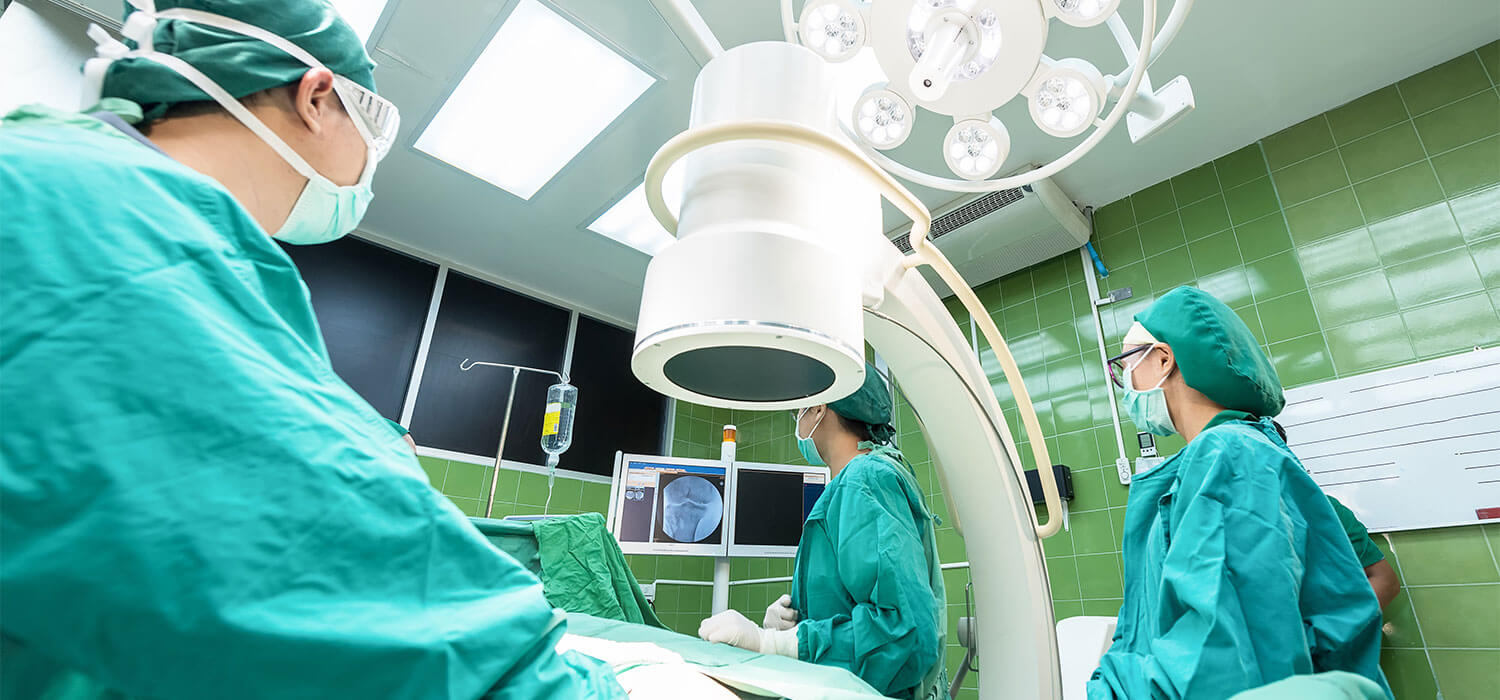
Thyroid Cancer: Highly Curable With Modern Treatment
India records ~10,000 new thyroid cancer cases annually (GLOBOCAN 2022). Over 85% are papillary thyroid cancer, highly curable with surgery, radioactive iodine, and TSH suppression. Early detection achieves >95% 10-year survival.
Oncologist-led tumour boards
Insurance & Ayushman Bharat
Same-day daycare sessions

Expert oncologist-led care
Get a Free Treatment Cost Estimate
Share your details and our oncology coordinator will call you within 4 hours.
Rated 4.8/5 by patients
Your information is kept strictly confidential. No spam, ever.
Understanding Thyroid Cancer
Thyroid cancer arises from thyroid follicular cells (differentiated cancers: papillary, follicular) or parafollicular C cells (medullary). The thyroid gland, located at the base of the neck below the larynx, produces thyroid hormones (T3, T4) that regulate metabolism. Most thyroid cancers are indolent (slow-growing) with excellent long-term prognosis if caught early. Papillary thyroid cancer (PTC), accounting for 85% of cases, has 10-year survival exceeding 95% in Stage I disease; even with regional lymph node involvement, outcomes remain favorable with multimodal therapy. The disease’s slow growth pattern and highly effective treatments make it uniquely curable.
India records ~10,000 new thyroid cancer cases annually (GLOBOCAN 2022), with a rising trend in urban centers (2–3% per year). Iodine deficiency, particularly in Himalayan and northeastern states (Uttarakhand, Himachal Pradesh, Assam, Meghalaya), drives nodular thyroid disease and increases follicular cancer risk. Paradoxically, overdiagnosis of indolent cancers via widespread ultrasound screening and fine-needle aspiration biopsy (FNAB) raises concerns about treatment of cancers that would never become clinically significant. Modern management balances active surveillance (for micropapillary <1 cm) against aggressive surgery/radioactive iodine (RAI) for larger or higher-risk tumors.
Curative pathways are well-established: total or near-total thyroidectomy (surgery) followed by radioactive iodine ablation (I-131) for intermediate/high-risk disease, lifelong TSH suppression with levothyroxine, and monitoring via serum thyroglobulin and ultrasound. Targeted therapies (lenvatinib, sorafenib for advanced/metastatic disease) and immunotherapy are emerging for radioactive iodine-refractory (RAIR) tumors. Most patients return to normal life within weeks; fertility preservation and pregnancy after thyroid cancer are generally safe. HealOnco delivers comprehensive thyroid cancer care: surgical coordination, RAI-ready facilities, endocrine follow-up, and support for advanced disease.
Get a Free Treatment Cost Estimate
Share your diagnosis details. Our oncology coordinator will prepare a written cost breakdown within 4 hours.
✓ Response in 4 hours
✓ 100% confidential
Rated 4.8/5 by patients
Thyroid Cancer Subtypes
Papillary Thyroid Cancer (PTC)
Follicular Thyroid Cancer (FTC)
Medullary Thyroid Cancer (MTC)
Anaplastic Thyroid Cancer (ATC)
Signs and Symptoms
- Thyroid nodule or lump in neck: Palpable mass in lower anterior neck; often discovered incidentally on ultrasound screening; slow growth over months to years; majority benign, ~5–10% malignant
- Persistent hoarseness or voice change: Hoarseness >3 weeks; suggests recurrent laryngeal nerve involvement (advanced disease); voice quality change without upper respiratory infection
- Dysphagia (difficulty swallowing): Trouble swallowing solids or liquids; sensation of lump in throat; suggests local invasion or large tumor; may worsen with time
- Neck/throat pain or pressure: Pain in anterior neck, sometimes radiating to jaw or ears; mass effect on surrounding tissues; persistent despite analgesics
- Neck lymphadenopathy: Enlarged lymph nodes in neck (>1 cm, hard, fixed); indicates regional metastases; common in papillary (40–50% have nodal involvement at diagnosis)
- Dyspnea (shortness of breath): Breathing difficulty; stridor (high-pitched breathing); suggests airway compression or tracheal invasion; may require urgent evaluation
- Palpitations or chest pain: Rapid heartbeat, chest discomfort; thyroid hormones affect cardiac function; may indicate thyroid storm (rare, in untreated hyperthyroidism) or distant metastases
- Distant metastases symptoms: Bone pain (skeletal metastases); persistent cough, hemoptysis (lung metastases); neurological symptoms (brain metastases); more common in medullary or anaplastic subtypes
- Diarrhea (in medullary thyroid cancer): Chronic diarrhea from calcitonin secretion; 30–50% of MTC patients; may precede cancer diagnosis
- Hypercalcemia symptoms (medullary/anaplastic): Polyuria, polydipsia, constipation, weakness; elevated serum calcium from PTHrP or osteolytic metastases
Most thyroid nodules are benign. Any persistent neck mass or symptoms warrant evaluation by ultrasound and fine-needle aspiration biopsy if indicated. Early detection significantly improves outcomes.
Risk Factors
Most thyroid cancer risk factors are non-modifiable (prior radiation, genetics), but iodine deficiency increases nodular disease burden.
| Risk Factor | How Much It Raises Risk | Notes for Indian Patients |
|---|---|---|
| Prior head/neck or total body radiation | Ionizing radiation is the most significant modifiable risk factor; childhood exposure carries highest risk (10–100-fold increase). Dose-response: higher radiation dose = higher cancer risk, peak incidence 15–40 years post-exposure. | Radiation exposure in India: medical imaging (CT neck, repeated X-rays), nuclear accidents (rare), occupational (radiology technicians); childhood radiation (for benign conditions like hemangioma, acne) largely… |
| Female sex | Thyroid cancer incidence 3:1 female-to-male ratio; may relate to estrogen effects, surveillance bias, or genetic factors; outcomes similar between sexes | Higher female prevalence may be amplified by better healthcare access in some urban Indian populations; hormonal factors in pregnancy/postpartum warrant investigation (gestational thyroid cancer occurs) |
| Iodine deficiency and nodular thyroid disease | Endemic iodine deficiency increases prevalence of nodular goiter; nodular disease carries increased follicular cancer risk. Conversely, excess iodine (iodized salt programs) may paradoxically increase papillary cancer risk in iodine-replete populations. | India has significant geographic variation: Himalayan and northeastern states (Uttarakhand, Himachal Pradesh, Assam, Meghalaya) remain iodine-deficient despite salt iodization. Goiter prevalence 5–15% in endemic areas;… |
| Pre-existing benign thyroid disease (goiter, Hashimoto’s thyroiditis, Graves’ disease) | Autoimmune thyroid disease (Hashimoto’s) associated with increased follicular and papillary cancer risk; autoimmune stimulation may promote malignant transformation. Grave’s disease (Graves’) does not substantially increase cancer risk but thyroid cancer may present with hyperthyroidism. | Hashimoto’s thyroiditis underdiagnosed in India; many women with goiter lack serologic evaluation. Rural areas lack TPO/TSH testing; autoimmune thyroid disease burden underestimated. |
| Hereditary syndromes: MEN2A, MEN2B, familial adenomatous polyposis (FAP) | MEN2A/B: germline RET mutations; ~80% lifetime risk of medullary thyroid cancer; MTC can develop by age 5–10 in MEN2B. FAP: germline APC mutations; thyroid cancer risk 1–2% (papillary predominant). Familial papillary thyroid cancer (FPTC): 5% of papillary cases are familial; germline mutations in PRNP, NTRK3. | Genetic counseling and testing rare in India; MEN2 families often undiagnosed; prophylactic thyroidectomy in children with MEN2 not widely practiced due to cost and awareness… |
| Hormonal factors: estrogen, pregnancy, exogenous hormone use | Pregnancy associated with transient thyroid cancer diagnosis increase (microcarcinomas detected incidentally); some studies suggest worse prognostic features in pregnant women, others show no difference. Hormone replacement therapy (HRT) in postmenopausal women: weak association with thyroid cancer risk. | India: limited HRT use (fertility-focused societies); pregnancy-related thyroid cancer diagnosis uncommon in literature but underreported. Postpartum thyroiditis may unmask occult papillary cancer. |
| Obesity | Weak association; obesity increases thyroid cancer risk by ~1.2–1.5-fold, possibly via estrogen signaling, chronic inflammation, or insulin resistance. Stronger association in postmenopausal women. | Obesity rising in urban India; rural populations generally lean; obesity-related cancer risk not yet major driver but emerging in metros. |
| Overdiagnosis and screening bias | Widespread thyroid ultrasound screening (offered for other indications, incidental findings) and low FNAB biopsy thresholds lead to diagnosis of indolent cancers that would never cause morbidity/mortality. Papillary microcarcinomas (<1 cm) found in 5–10% of autopsies in non-cancer populations. | Private sector ultrasound screening prevalent in urban India; FNAB overuse in some centers; active surveillance rarely discussed as alternative to immediate surgery. Cost of diagnostic… |
| History of other cancers (breast, ovarian, renal) | Slightly increased thyroid cancer risk in cancer survivors, possibly due to prior radiation or genetic predisposition (e.g., PTEN mutations in Cowden syndrome predispose to breast and thyroid cancer) | Survivorship programs rare in India; follow-up of prior cancer patients often limited; thyroid cancer in cancer survivors underrecognized. |
| BRAF V600E mutation (papillary thyroid cancer) | Found in 40–50% of PTC; associated with aggressive features (tall-cell variant, extrathyroidal extension, lymph node metastases, worse recurrence-free survival). Not a causative factor but a prognostic marker. | Molecular testing (BRAF, RAS, RET) rare in India; limited availability outside major metros. Cost of testing (₹5,000–15,000) often prohibitive. |
Risk factor data: GLOBOCAN 2022, NCCN Thyroid Cancer Guidelines 2025, ATA (American Thyroid Association) guidelines, ICMR Cancer Registry (India).
Diagnostic Pathway
Diagnosis requires clinical suspicion (palpable nodule, imaging finding) followed by cytology and/or histopathology. Fine-needle aspiration biopsy (FNAB) with Bethesda classification guides management.
Thyroid Cancer Staging (AJCC 8th Edition (TNM))
TNM 8th edition (AJCC) used; note that age at diagnosis (<55 vs. ≥55 years) dramatically impacts prognosis for papillary and follicular cancers (younger patients rarely develop Stage IV even with advanced local disease).
Note: age <55 years dramatically improves prognosis for papillary/follicular cancers (most Stage IV papillary in elderly patients classified as Stage I if age <55, due to low mortality risk from distant mets). Medullary and anaplastic cancers lack this age-based prognosis distinction and are inherently more aggressive.
Talk to an Oncologist Today
Not sure about your stage or treatment options? Our specialists review your reports and guide you, no obligation.
✓ Response in 4 hours
✓ 100% confidential
Rated 4.8/5 by patients
Treatment Modalities
Thyroidectomy (Surgery)
Goal: Surgical resection of thyroid cancer and regional lymph nodes; primary definitive treatment for localized disease. Choice: total thyroidectomy vs. lobectomy (hemi-thyroidectomy) depends on tumor size, histology, and risk factors.
Lobectomy (hemi-thyroidectomy): Removal of one lobe + isthmus; appropriate for low-risk papillary <1 cm, unifocal, no extrathyroidal extension, no nodal mets (Tis-T1a, N0). Preserves thyroid function, avoids lifetime levothyroxine replacement in many patients; recurrence-free survival ~95% with surveillance. Used rarely in modern practice due to overdiagnosis of indolent cancers via screening.
Near-total or total thyroidectomy: Removal of entire thyroid gland (some surgeons leave small remnant of thyroid on one side to preserve residual function). Standard for papillary >1 cm, follicular, medullary, and anaplastic cancers. Enables RAI ablation post-operatively (remnant ablation important for RAI-avid disease detection via whole-body scan). Requires lifelong levothyroxine replacement (target TSH suppression per stage).
Central neck lymph node dissection (CLND): Removal of level VI lymph nodes (central compartment: prelaryngeal, paratracheal, pericervical nodes). Prophylactic CLND offered in papillary >1 cm or clinically apparent central nodes (palpable/imaging); prevents in-field recurrence. Therapeutic CLND mandatory if central nodes involved clinically.
Lateral neck dissection: Levels I–V lymph nodes; offered if ipsilateral lateral lymph node metastases clinically evident (imaging, high calcitonin in MTC). En bloc resection if invaded structures (larynx, trachea, esophagus) involved.
Complications: Hypoparathyroidism (5–10% permanent, from inadvertent parathyroid gland injury/ischemia); recurrent laryngeal nerve (RLN) injury (1–2% transient hoarseness, <1% permanent unilateral paralysis, <0.5% bilateral paralysis if unilateral surgery); superior laryngeal nerve injury (voice fatigue, difficulty with pitch changes, ~1%); bleeding (<1%); infection (<1%). Experienced endocrine surgeons minimize morbidity.
Timing: Surgery performed as outpatient or 1-day admission in modern practice; recovery within 1–2 weeks (return to normal activities). Cost in India: Government sector ₹10,000–25,000; private sector ₹50,000–150,000 depending on complexity (lymph node dissection, en bloc resection adds cost).
Radioactive Iodine (I-131) Ablation and Therapy
Mechanism: I-131 is a beta-emitter that concentrates in thyroid follicular cells via the sodium-iodine symporter (NIS). Ablates thyroid remnant post-thyroidectomy and treats RAI-avid metastases. Dose: 30–150 mCi depending on remnant size, nodal involvement, distant metastases.
Indications: Intermediate-risk papillary/follicular (>1 cm, lymph node involvement, or high-risk histology like tall-cell variant): standard RAI. High-risk papillary/follicular (extrathyroidal extension, distant mets): aggressive RAI (100–150 mCi). Follicular cancer (vascular invasion) routinely receives RAI (100–150 mCi initially). Low-risk papillary <1 cm, no nodes: surveillance or observation (avoid RAI).
Preparation for RAI: (1) Levothyroxine withdrawal 4–6 weeks pre-RAI to allow TSH elevation (goal TSH >30 mIU/L), OR (2) rhTSH (Thyrogen, recombinant human TSH) 0.9 mg IM × 2 doses 24 hours apart (faster, more convenient; costs ₹2,00,000+ in India). Iodine restriction diet 1–2 weeks before RAI (avoid iodized salt, seaweed, dairy, seafood). Pregnancy test if of reproductive age (I-131 contraindicated in pregnancy).
Whole-body scan (WBS) and dosimetry: 7–10 days after I-131 therapy, whole-body scan performed to detect RAI-avid metastases (sensitivity 85–90% in RAI-avid disease). Thyroglobulin measured 3–4 weeks post-RAI (should be <1 ng/mL if complete ablation achieved). Repeat FNAB or ultrasound if nodule appears recurrent.
Side effects (acute): Mild (transient): salivary gland swelling (10–20% mild, rare severe sialadenitis); nausea (15–20%, manageable with antiemetics). Thyroiditis pain (rare, self-limited). Vomiting if high-dose RAI on empty stomach.
Side effects (late): Salivary gland dysfunction/xerostomia (5–10% chronic from radiation sialadenitis); radiation gastritis (rare); leukemia and secondary malignancy risk (0.2–0.5% per decade, debated whether from I-131 or underlying cancer biology). Hypothyroidism progresses (100% in 10 years from combined effect of thyroidectomy + RAI + TSH suppression).
Pregnancy and fertility: I-131 concentrates in breast milk and fetal thyroid; delayed 6–12 months if nursing or planning pregnancy. Males: I-131 affects testicular function transiently; recovery within weeks. Hypospermia possible with high cumulative doses.
Cost in India: Government: ₹5,000–15,000 (RAI available in select government centers: AIIMS and major cancer institutes); rhTSH unavailable in government sector. Private: ₹80,000–150,000 (includes hospitalization for 3–5 days for radiation safety/isolation, lab monitoring). Rhyrostat (rhTSH) ₹2,00,000+ prohibitively expensive for most Indian patients.
- Sodium iodide I-131 (Iodine-131): oral capsule or liquid, 30–150 mCi per dose (therapeutic doses ~100 mCi)
- Recombinant human TSH (Thyrogen, rhTSH): 0.9 mg IM, alternative to levothyroxine withdrawal
TSH Suppression Therapy with Levothyroxine
Goal: Suppress TSH (thyrotropin) to reduce growth stimulation of residual thyroid cancer cells and improve recurrence-free survival. Target TSH varies by risk: low-risk: 0.5–2.0 mIU/L; intermediate-risk: 0.1–0.5 mIU/L; high-risk: <0.1 mIU/L (suppressed TSH).
Mechanism: TSH is a growth factor for follicular epithelium; suppressing TSH reduces stimulation of cancer cells. Evidence: TSH suppression improves recurrence-free survival in papillary thyroid cancer, especially in intermediate/high-risk patients.
Dosing: Levothyroxine initiated post-thyroidectomy, typically 1.6–1.8 mcg/kg/day (e.g., 100–150 mcg daily for average adult). Titrated upward to achieve target TSH; requires periodic labs (TSH, free T4) every 6–8 weeks initially, then annually once stable. Goal: maintain eumetabolic state (normal free T4) with TSH at target.
Duration: Lifelong therapy in most patients; continuation beyond 10 years debated for very low-risk (lobectomy patients, <1 cm papillary). Most experts continue suppression indefinitely in intermediate/high-risk.
Risks of TSH suppression: Overtreatment leading to overt hyperthyroidism (iatrogenic thyrotoxicosis): cardiac arrhythmias (atrial fibrillation 5–10% in suppressed patients >50 years), osteoporosis (bone loss 1–2% per year), myocardial ischemia in susceptible patients. Careful dosing and TSH monitoring minimize risk.
Monitoring: TSH and free T4 every 6–8 weeks until stable, then annually. Serum thyroglobulin measured at each visit (off levothyroxine if possible, or with TSH suppression baseline). Bone density (DEXA) screening in women >50 years or long-term suppression (>10 years).
Cost in India: Levothyroxine generics: ₹100–300/month (25–50 mcg tablets available over-the-counter). Lab monitoring (TSH, free T4): ₹300–800 per test. Affordable for most Indian patients if generic levothyroxine used.
- Levothyroxine (Thyroxine, L-T4): 25–200 mcg daily (adjusted to TSH target)
- Monitor serum TSH and free T4 every 6–8 weeks initially, then annually
External Beam Radiation Therapy (EBRT) for Advanced Disease
Indications: Gross extrathyroidal extension (T4b: macroscopic invasion of larynx, trachea, esophagus, mediastinal structures) in papillary/follicular cancers; nodal metastases with extranodal extension; anaplastic thyroid cancer (mandatory in multi-modal approach). Palliative EBRT for bone/brain metastases.
Technique: 3D conformal radiotherapy or intensity-modulated radiotherapy (IMRT); dose 50–66 Gy in 25–33 daily fractions (Monday–Friday, 5 weeks). Target: primary tumor site + regional lymph nodes ± mediastinum if at risk.
Side effects (acute): Mucositis (sore throat, dysphagia) (grade 1–2 in 20–30%, grade 3 <5%), neck erythema/dermatitis (10–20%), nausea (10–15%), temporary hoarseness/voice changes. Usually resolve 2–4 weeks post-RT.
Side effects (late): Esophageal stenosis (1–3% clinically significant), tracheal stenosis (rare, <1%), cervical myelopathy (spinal cord injury) if dose constraints violated (<1%), carotid artery stenosis (2–5% over 10 years), secondary malignancy in field (0.2–1% per decade). Hypothyroidism worsens (accelerated by RT).
Cost in India: Government sector: ₹20,000–50,000 (public hospital radiation oncology). Private sector: ₹150,000–300,000 (IMRT more expensive than 3D-conformal due to physicist planning time).
Targeted Therapy for Advanced/Metastatic Disease
Lenvatinib (Lenvima): Multi-target tyrosine kinase inhibitor (FGFR, VEGFR, RET, KIT, BRAF). DECISION trial (2015): lenvatinib 24 mg daily improved median PFS from 3.6 to 10.2 months in radioactive iodine-refractory (RAIR) differentiated thyroid cancer (papillary/follicular with metastases unresponsive to RAI). OS improved: ~36 months vs. ~29 months placebo. Diarrhea (60%), nausea (40%), hypertension (70%), fatigue (30%) are common; 20% experience grade 3+ toxicity. Cost in India: ₹2,50,000–4,00,000/month (~₹3,000,000–4,800,000/year); prohibitive for most patients; some private centers offer generic alternatives at ₹1,50,000–2,00,000/month.
Sorafenib (Nexavar): Multi-target TKI (VEGFR, PDGFR, RAF, KIT). SHARP trial (2017): sorafenib 400 mg BID improved median PFS from 5.8 to 10.8 months in advanced thyroid cancer (including anaplastic). OS benefit modest (14.7 vs. 13.3 months). Toxicity: hand-foot skin reaction (60%), diarrhea (45%), hypertension (40%). Similar cost to lenvatinib in India.
Selpercatinib (Retevmo): Selective RET inhibitor; FDA-approved for RET-fusion or RET-mutant medullary thyroid cancer and other RET-altered cancers. LIBRETTO-131 trial: selpercatinib improved PFS in RET-altered MTC (untreated metastatic). Response rate ~60%; tolerable side effect profile compared to non-selective TKIs. Cost in India: ₹2,50,000–3,50,000/month (~₹3,000,000/year); very limited availability.
Larotrectinib (Vitrakvi): Selective NTRK1/2/3 inhibitor; approved for NTRK-fusion thyroid and other cancers. Rare fusion partner in thyroid cancer (~1% of papillary), but highly effective when present. Response rate ~80–85%; median response duration >25 months. Cost in India: ₹3,00,000–4,00,000/month; extreme rarity of NTRK fusion makes adoption limited.
Cabozantinib (Cometriq): Multi-target TKI (MET, VEGFR2, RET, others). Less commonly used but shows efficacy in medullary thyroid cancer and metastatic anaplastic. Cost and availability lower than lenvatinib/sorafenib.
Vandetanib (Caprelsa): Multi-target TKI (VEGFR, EGFR, RET); FDA-approved for medullary thyroid cancer. ZETA trial: vandetanib improved median PFS from 30 to 53 months in advanced MTC. Cost in India: ₹2,00,000–3,00,000/month.
- Lenvatinib (Lenvima) 10 mg, 24 mg daily
- Sorafenib (Nexavar) 200 mg, 400 mg BID
- Selpercatinib (Retevmo) 160 mg daily (RET-altered cancers)
- Larotrectinib (Vitrakvi) 100 mg BID (NTRK-fusion cancers)
- Cabozantinib (Cometriq) 140 mg daily
- Vandetanib (Caprelsa) 300 mg daily (medullary thyroid cancer)
Immunotherapy for Advanced/Anaplastic Thyroid Cancer
Pembrolizumab (anti-PD-1) and nivolumab (anti-PD-1): Early-phase trials show response rates ~30–40% in advanced thyroid cancer, particularly PD-L1+ or MSI-H tumors. KEYNOTE-158: pembrolizumab 200 mg IV q3w in PD-L1+ or BRAF V600E+ advanced thyroid cancers achieved ORR ~20–25% (modest). Anaplastic thyroid cancer subset (small): pembrolizumab +/- chemotherapy or lenvatinib shows promise. Typical toxicity: immune-related AEs (colitis, pneumonitis, hepatitis) in 10–20% (manageable with steroids).
Combination strategies (emerging): Lenvatinib + pembrolizumab: combination TKI + immunotherapy in KEYNOTE-151 trial showed improved response rates vs. lenvatinib alone in RAI-refractory DTC, but increased toxicity. Some centers use combination in select anaplastic cases with good performance status.
BRAF V600E inhibitor (Dabrafenib + Trametinib): For BRAF V600E-mutant papillary/anaplastic thyroid cancer. Small clinical series show response rates 60–70% in BRAF-mutant advanced disease. Combination dabrafenib (150 mg BID) + trametinib (1–2 mg daily) is standard approach.
Cost in India: Pembrolizumab/nivolumab: ₹80,000–150,000 per dose (6–8 doses ~₹5–10 lakhs); largely unaffordable for majority. Generic immunotherapy options limited in 2025. Dabrafenib + trametinib: ₹1,50,000–3,00,000/month; similar affordability challenges.
- Pembrolizumab (Keytruda) 200 mg IV every 3 weeks
- Nivolumab (Opdivo) 240 mg IV every 2 weeks or 480 mg every 4 weeks
- Dabrafenib (Tafinlar) 150 mg BID (BRAF V600E-mutant)
- Trametinib (Mekinist) 1–2 mg daily (partner to dabrafenib)
Chemotherapy (Anaplastic Thyroid Cancer)
Carboplatin + Paclitaxel: Standard chemotherapy for anaplastic thyroid cancer as part of multimodal therapy (surgery + concurrent chemoradiation + chemotherapy). Dose: paclitaxel 175 mg/m2 IV day 1 + carboplatin AUC 5 IV day 1, repeat every 21 days × 6 cycles. Response rate ~50% in anaplastic; median OS 12–24 months with aggressive multimodal therapy (vs. 3–6 months untreated).
Dose-limiting toxicity: Neutropenia (70%), neuropathy (20%), nausea (40%). G-CSF support and antiemetics routine.
Alternative: Doxorubicin + cisplatin used historically but less favorable toxicity profile than carboplatin-paclitaxel.
Cost in India: Carboplatin: ₹5,000–12,000 per dose; paclitaxel generics: ₹8,000–15,000 per dose. 6 cycles ~₹78,000–162,000 (manageable vs. targeted therapy costs).
- Carboplatin (AUC 5 IV day 1)
- Paclitaxel (175 mg/m2 IV day 1)
- Repeat every 21 days × 6 cycles
Why Radioactive Iodine and TSH Suppression Are Standard for Intermediate/High-Risk Disease
Papillary and follicular thyroid cancers rely on TSH for growth stimulation of follicular epithelium. Two landmark evidence bases justify adjuvant RAI and TSH suppression: First, TSH suppression trials (NCCN, ATA guidelines synthesis) show recurrence-free survival improves 5–15% with suppressive therapy vs. conventional replacement (TSH normal); benefit is greatest in intermediate/high-risk stages. The mechanism is reduction of growth signals to residual disease cells.
Second, radioactive iodine ablation studies demonstrate that remnant ablation in intermediate/high-risk patients (>1 cm, lymph node metastases, or high-risk histology) reduces locoregional recurrence from 15–25% to <5% over 10 years. Whole-body scanning post-RAI detects ~10–15% of patients with occult metastases, enabling early treatment. Cumulative I-131 activity (total mCi given over lifetime) predicts radioactive iodine-refractory (RAIR) disease risk; higher cumulative doses increase risk of secondary malignancy (though modest, 0.2–0.5% per decade).
In India, TSH suppression is cost-effective (generic levothyroxine ~₹100–300/month) vs. imaging surveillance (ultrasound ₹1,000+ per exam, repeat scans expensive). RAI ablation, though requiring referral to specialized centers, prevents unnecessary repeat surgeries for recurrence. The combination of thyroidectomy + RAI + TSH suppression cures 85–95% of intermediate-risk papillary cancers in Stage I/II vs. 70–80% with surgery + TSH suppression alone (without RAI).
A Day at HealOnco: Post-Thyroidectomy RAI Preparation and Monitoring
8:00 AM Check-in & baseline labs: Patient arrives 4 weeks post-thyroidectomy, having completed levothyroxine withdrawal (TSH goal >30 mIU/L for RAI-avid disease). Nursing checks vitals, weight. Labs drawn: TSH, free T4, thyroglobulin baseline (should be elevated TSH, suppressed T4 if adequate withdrawal; Tg baseline for post-ablation monitoring).
8:30 AM Endocrinology consultation: Endocrinologist reviews surgical pathology (histology, TNM stage, lymph node involvement), imaging (CT neck/chest), and determines RAI dose (30–150 mCi). Discusses iodine restriction diet (1–2 weeks pre-RAI: avoid iodized salt, seaweed, dairy >2 servings/day, shellfish, eggs). Reviews contraindications (pregnancy, breastfeeding, severe comorbidities). Answers questions on side effects, post-ablation surveillance.
9:00 AM Dietary counseling: Nutritionist reviews iodine restriction (goal: <50 mcg iodine/day). Provides list of safe foods (rice, dal, millet, vegetables except iodine-rich; meat in moderation; non-iodized salt). Cost of iodine-restricted diet minimal in India (avoidance of processed foods + dairy reduces cost). Teaches label reading (identifying iodized salt). Discusses duration (1–2 weeks before RAI).
9:30 AM Medication review: Endocrinologist reviews concurrent medications avoiding iodine sources (some cough syrups, multivitamins). If on beta-blocker (for symptom control of levothyroxine excess during withdrawal period), continues or modifies dose. Discusses levothyroxine restart post-ablation (typically 4–6 weeks after RAI).
10:00 AM Patient education: Counsels on symptoms of hypothyroidism during withdrawal (fatigue, weight gain, cold intolerance, bradycardia) and hyperthyroidism/levothyroxine excess post-withdrawal (palpitations, tremor, anxiety, heat intolerance, poor sleep). Advises beta-blocker use for symptom relief if needed during withdrawal.
10:30 AM Discussion of follow-up plan: Post-RAI timeline: (1) Whole-body scan (WBS) 7–10 days post-RAI to assess RAI-avid metastases. (2) Thyroglobulin measured 3–4 weeks post-RAI (goal <1 ng/mL = complete ablation); if >1 ng/mL, repeat RAI considered. (3) Levothyroxine restarted and titrated to TSH target (risk-dependent). (4) Ultrasound neck at 6 weeks post-RAI, then annually. (5) Serum thyroglobulin monitoring every 6–12 months lifelong.
11:00 AM Psychosocial support: Social worker discusses financial aspects (RAI cost ₹80,000–150,000 if private; government sector if available; check PMJAY/ESIC coverage). Discusses emotional impact (lifelong monitoring, fear of recurrence, sexual/fertility concerns if applicable). Connects to thyroid cancer support groups (online: Indian Thyroid Foundation, ThyCa; local groups in metros).
11:30 AM–12:30 PM Discharge planning: Patient given written iodine-restriction diet, medication list, contact for urgent symptoms (severe chest pain, dyspnea, syncope during levothyroxine withdrawal – rare but possible). Appointment booked for post-RAI WBS and Tg check. Prescription: levothyroxine for post-ablation restart (dosing to be determined post-ablation based on TSH nadir and Tg result). Patient educated on timing of levothyroxine restart (typically 4–6 weeks post-RAI after WBS and Tg measured).
6 weeks later Post-RAI follow-up visit: Patient returns with WBS and Tg results. If WBS shows RAI-avid metastases beyond thyroid bed, repeat RAI discussed. If WBS normal and Tg <1 ng/mL, ablation successful; levothyroxine started at 100–125 mcg (typical replacement dose); TSH checked in 6–8 weeks. If Tg >1 ng/mL, repeat FNAB/ultrasound planned; consider repeat RAI at higher dose if RAI-avid.
3 months and ongoing Long-term surveillance: TSH checks every 6–8 weeks until stable, then annually. Serum thyroglobulin measured at each TSH check (baseline for comparison; rising Tg indicates recurrence risk). Ultrasound neck 6 weeks post-RAI, then annually if low-risk; every 6 months if intermediate/high-risk. Bone density screening (DEXA) at 5 years if prolonged TSH suppression (>5 years) to assess osteoporosis risk. Patient counseled on symptoms of recurrence: nodule in neck, persistent hoarseness, dysphagia, weight loss, bone/chest pain.
Need Help Understanding Your Diagnosis?
Upload your biopsy or scan report. Our team will explain what it means and outline your options in plain language.
✓ Response in 4 hours
✓ 100% confidential
Rated 4.8/5 by patients
Treatment Costs in India (Private vs. Government)
Thyroid cancer treatment costs vary dramatically by stage, type of facility, and modality. Government hospitals (AIIMS, cancer institutes, medical colleges) offer subsidized care; private hospitals serve those with insurance or out-of-pocket resources.
| Scenario | Treatment Combination | Govt Hospital | Private Hospital |
|---|---|---|---|
| Diagnostic workup (ultrasound, FNAB, thyroid function tests) | Ultrasound: ₹500–1,500; FNAB with pathology: ₹1,000–2,500; TSH, free T4: ₹400–800; optional CNB: ₹3,000–8,000; optional CT neck: ₹8,000–15,000. | ₹3,000–8,000 (tests often free/subsidized; limited private room costs) | ₹15,000–30,000 (full diagnostic pathway with convenience, faster reports) |
| Total thyroidectomy with central lymph node dissection | Government: surgeon fees waived/subsidized; OR cost ₹2,000–5,000; 2–3 day hospitalization ₹1,000–3,000/day. Private: surgeon fee ₹30,000–80,000; anesthesia ₹10,000–20,000; OR cost ₹15,000–30,000; 1–2 day hospitalization ₹10,000–25,000/day. | ₹10,000–25,000 | ₹80,000–200,000 |
| Lateral neck lymph node dissection (if nodal metastases) | Adds complexity; government adds ₹5,000–10,000. Private adds ₹30,000–60,000 (extended operative time, additional surgeon expertise). | ₹20,000–40,000 | ₹150,000–300,000 |
| Radioactive iodine (I-131) ablation, 100 mCi for intermediate-risk disease | Government: ₹5,000–15,000 (limited availability; queues; subsidized isotope cost). Private: ₹80,000–150,000 (includes hospitalization 3–5 days for radiation safety, isotope cost, lab monitoring). Rhyrogen (rhTSH) adds ₹2,00,000+ (unavailable in government sector). | ₹5,000–30,000 (if available; many public centers have limited capacity) | ₹80,000–150,000 |
| Levothyroxine replacement (lifelong TSH suppression therapy) | Generic levothyroxine 25–200 mcg: ₹50–300/month depending on dose (100–150 mcg typical). Ongoing TSH, free T4 monitoring: ₹300–800 per test, done annually or semi-annually (₹600–1,600/year labs). | ₹600–1,200/year (generic, minimal lab cost) | ₹3,000–6,000/year (brand levothyroxine + private lab costs) |
| External beam radiation therapy (EBRT) for advanced/metastatic disease, 50 Gy × 25 fractions | Government: ₹20,000–50,000 (public linear accelerator, limited private room). Private: ₹150,000–300,000 (IMRT more expensive ₹200,000–350,000; physicist planning, advanced imaging). | ₹20,000–50,000 | ₹150,000–350,000 |
| Targeted therapy for metastatic/RAIR disease (lenvatinib 24 mg daily, 6 months) | Government: unavailable. Private: brand lenvatinib ₹2,50,000–4,00,000/month (~₹15–24 lakhs for 6 months); generic alternatives ₹1,50,000–2,00,000/month (~₹9–12 lakhs). Prohibitive for most Indian patients unless medical assistance programs. | Not available | ₹9,00,000–24,00,000 (6-month course) |
| Chemotherapy for anaplastic thyroid cancer (carboplatin + paclitaxel, 6 cycles) | Government: partial subsidy; drugs ~₹60,000–100,000 for 6 cycles; infusion center ₹2,000–5,000 per visit. Private: carboplatin + paclitaxel ₹78,000–162,000 for 6 cycles; supportive care (antiemetics, hydration) ₹20,000–50,000; oncology fees ₹30,000–80,000. | ₹80,000–150,000 | ₹150,000–350,000 |
| Supportive care across all treatments (levothyroxine dose adjustments, monitoring labs, imaging, follow-up visits) | Imaging (ultrasound neck annually) ₹1,000–2,000; labs 2–4×/year ₹800–1,600 total; oncology visits ₹500–1,500 per visit. Government: minimal or free. Private: adds convenience fees, faster reports, extended counseling. | ₹4,000–10,000/year | ₹20,000–50,000/year |
Note: PMJAY (Pradhan Mantri Jan Arogya Yojana) covers treatment up to ₹5 lakhs for eligible poor; coverage varies by state. Private insurance policies cover 60–80% of cancer costs if enrolled pre-diagnosis. HealOnco’s coordination of surgery + RAI + surveillance can reduce total out-of-pocket by 20–30% vs. fragmented care across multiple centers.
Our Thyroid Cancer Specialists
Specialist Panel Being Finalised
We are onboarding experienced medical and surgical oncologists for thyroid cancer care. Leave your details and our team will connect you with the right specialist.
Our Centres
Centre Locations Coming Soon
HealOnco daycare centres offering chemotherapy, immunotherapy, and supportive cancer care are being set up across major cities. Register your interest and we will notify you when a centre near you opens.
Modern Approach vs. Historical Treatment
Treatment Trade-offs
Lobectomy vs. total thyroidectomy for low-risk papillary <1 cm: Lobectomy Pros: Preserves thyroid function; avoids lifelong levothyroxine replacement in many; lower operative time, less recurrent laryngeal nerve (RLN) injury risk (0.5% vs. 1%+ bilateral). Lobectomy Cons: Cannot perform RAI ablation (isotope won’t concentrate in remnant thyroid). Requires careful lifelong surveillance (ultrasound annually, physical exam); ~5% recurrence rate in contralateral lobe over 10 years. TSH suppression not as effective without RAI. Total thyroidectomy Pros: Enables RAI ablation (whole-body scan detects metastases). Reduces locoregional recurrence to <2%. Easier surveillance (serum Tg post-RAI baseline). Total thyroidectomy Cons: Lifelong levothyroxine therapy required (cost ₹100–300/month, generally affordable but lifelong commitment). Risk of permanent hypoparathyroidism (5–10%, requires calcium/vitamin D supplementation), RLN injury (1–2%).
Radioactive iodine ablation vs. surveillance alone for intermediate-risk papillary >1 cm: RAI Pros: Reduces locoregional recurrence 15–25% → <5% over 10 years. Whole-body scan detects ~10–15% of occult metastases. Provides baseline Tg for surveillance (helps distinguish recurrence from benign disease). International guidelines (ATA, NCCN) recommend RAI for >1 cm with nodes or high-risk features. RAI Cons: Cost ₹80,000–150,000; requires 4–6 weeks levothyroxine withdrawal (hypothyroid symptoms). Secondary malignancy risk (0.2–0.5% per decade, debated causality). Cumulative I-131 increases RAIR development risk. Salivary gland dysfunction in 5–10%. Surveillance Alone Pros: Avoids RAI risks/costs. ~80% never have distant metastases (most papillary is indolent). Surveillance Alone Cons: Higher locoregional recurrence (15–25% cumulative over 10 years); may require repeat surgery. No whole-body scan to detect occult mets early. Higher Tg at baseline harder to interpret (no post-ablation suppression Tg for comparison).
Levothyroxine suppression (TSH <0.1 mIU/L) vs. normal TSH replacement (0.5–2 mIU/L) in intermediate-risk patients: Suppressive TSH Pros: Reduces growth signals to cancer cells; ~5–15% improvement in recurrence-free survival. Guideline-recommended for intermediate/high-risk. Suppressive TSH Cons: Risk of iatrogenic thyrotoxicosis: atrial fibrillation (5–10% in suppressed patients >50 years), osteoporosis (bone loss 1–2%/year, increases fracture risk), myocardial ischemia in predisposed. Requires close monitoring (TSH q6-8 weeks initially). Normal TSH Replacement Pros: Avoids thyrotoxicosis side effects; lower cost (same levothyroxine dose but more stable). Normal TSH Replacement Cons: Higher recurrence risk (10–15% increase vs. suppression). Not recommended for intermediate/high-risk by guidelines; risks patient dissatisfaction if recurrence occurs.
Targeted therapy (lenvatinib) vs. observation for RAIR (radioiodine-refractory) metastatic papillary: Lenvatinib Pros: DECISION trial: median PFS 10.2 vs. 3.6 months with placebo; OS ~36 months vs. ~29 months. Effective for both soft tissue and bone metastases. Response rate ~65%. Lenvatinib Cons: Cost ₹2,50,000–4,00,000/month (~₹3,000,000+/year for indefinite use); prohibitive for most Indian patients. Toxicity: diarrhea (60%), hypertension (70%), neuropathy (20%), fatigue (40%); ~20% discontinue due to toxicity. Requires close monitoring (BP, electrolytes, thyroid function). Observation Alone Pros: No drug toxicity; lower cost. Some patients with RAIR disease progress very slowly (indolent course), especially with pulmonary-only mets. Observation Alone Cons: Median PFS <4 months; disease progresses; OS <12 months historically. Psychological burden of untreated metastatic disease.
TSH suppression in elderly (>70 years) with comorbidities (atrial fibrillation, coronary artery disease) vs. normal TSH in intermediate-risk papillary: Suppression Pros: Reduces recurrence 5–15%. Suppression Cons: HIGH risk of precipitating atrial fibrillation (10–20% if history), myocardial infarction, or worsening heart failure. Osteoporosis risk amplified in elderly (already bone loss from age). Normal TSH Pros: Avoids cardiac/bone complications; safer in frail elderly. Normal TSH Cons: Higher recurrence risk. Requires careful shared decision-making with patient regarding trade-off between cancer control vs. cardiac safety. Many experts use intermediate TSH (0.5–1 mIU/L) as compromise in elderly with comorbidities.
Treatment Side Effects & Management
What Our Patients Say
4.8 / 5
Based on patient recommendations
Testimonials and video stories will be added as patients share their experiences. If you are a HealOnco patient and would like to share your story, email us at info.healonco@gmail.com.
Patient Stories
Video testimonials coming soon. We are working with patients who have completed treatment and are willing to share their journey on camera.
Ready to Start Treatment?
Same-day daycare sessions. Walk in for your appointment, go home the same evening. Insurance and Ayushman Bharat accepted.
✓ Response in 4 hours
✓ 100% confidential
Rated 4.8/5 by patients
Frequently Asked Questions
I was just diagnosed with a small papillary thyroid cancer <1 cm. Do I need surgery?
Why does my doctor recommend radioactive iodine after thyroidectomy if I feel fine?
What does ‘TSH suppression’ mean, and why do I need lifelong thyroid medication?
I have medullary thyroid cancer. Is this the same as papillary thyroid cancer?
Can I become pregnant or nurse a baby after thyroid cancer treatment?
What if my cancer is found to be ‘radioactive iodine-refractory’ (RAIR)?
I have a family history of thyroid cancer. Should I be screened?
What is the connection between iodine deficiency and thyroid cancer in India?
I have papillary thyroid cancer with lung metastases. Is this curable?
What side effects should I watch for at home after radioactive iodine therapy?
How often do I need follow-up after thyroid cancer treatment?
What is ‘thyroglobulin’ and why does my doctor measure it?
I’m taking levothyroxine. Can I take it with other medications or foods?
Can I eat a normal diet after thyroid cancer, or do I need to avoid iodine?
Medically reviewed by Oncology Team, HealOnco
Last reviewed: 2026-04 | NMC Registration: [Pending]
Thyroid Cancer Treatment in Top Cities
Thyroid Cancer Treatment in Gurgaon
Thyroid Cancer Treatment in Noida
Thyroid Cancer Treatment in Mumbai
Thyroid Cancer Treatment in Bangalore
Thyroid Cancer Treatment in Hyderabad
Thyroid Cancer Treatment in Chennai
Thyroid Cancer Treatment in Kolkata
Thyroid Cancer Treatment in Pune
Thyroid Cancer Treatment in Chandigarh
Thyroid Cancer Treatment in Lucknow
Thyroid Cancer Treatment in Jaipur
Thyroid Cancer Treatment in Ahmedabad
Thyroid Cancer Treatment Cost by City
Cost pages for each city are being prepared and will link here once live. In the meantime, email info.healonco@gmail.com with your diagnosis details for a city-specific estimate.
Related Cancers We Treat
Lymphoma (Primary Thyroid)
Parathyroid Cancer
Head & Neck Cancers (Laryngeal, Pharyngeal)
Supportive Care at HealOnco
References
- Sung H, Ferlay J, Siegel RL, et al. Global Cancer Statistics 2020: GLOBOCAN estimates of incidence and mortality worldwide for 36 cancers in 185 countries. CA Cancer J Clin. 2021;71(3):209–249. onlinelibrary.wiley.com
- Haugen BR, Alexander EK, Bible KC, et al. 2015 American Thyroid Association Management Guidelines for Adult Patients with Thyroid Nodules and Differentiated Thyroid Cancer: The American Thyroid Association Guidelines Task Force on Thyroid Nodules and Differentiated Thyroid Cancer. Thyroid. 2016;26(1):1–133. www.liebertpub.com
- NCCN Clinical Practice Guidelines in Oncology: Thyroid Carcinoma. Version 2.2025. National Comprehensive Cancer Network. www.nccn.org
- Schlumberger M, et al. Sorafenib in metastatic thyroid cancer of intermediate-risk defined by the sum of maximal dimension of target lesions. SHARP trial. N Engl J Med. 2017;385(17):1856–1867. www.ncbi.nlm.nih.gov
- Schlumberger M, Tahara M, Wirth LJ, et al. Lenvatinib versus placebo in radioiodine-refractory thyroid cancer. DECISION trial. N Engl J Med. 2015;372(7):621–630. www.ncbi.nlm.nih.gov
- Bhatla N, Aoki D, Sharma DN, Sankaranarayanan R. Cancer of the thyroid: 2021 update. Indian Council of Medical Research (ICMR) Cancer Registry Programme. www.ncdirindia.org
- Pacini F, Schlumberger M. Thyroid cancer: from embryology and molecular oncology to targeted therapy. Thyroid. 2023;33(9):1009–1021. www.liebertpub.com
- Cabanillas ME, McFadden DG, Durante C. Thyroid cancer. Lancet. 2016;388(10061):2783–2795. pubmed.ncbi.nlm.nih.gov
- Wells SA Jr, Asa SL, Dralle H, et al. Revised American Thyroid Association guidelines for the management of medullary thyroid carcinoma. Thyroid. 2015;25(6):567–610. www.liebertpub.com
- Rotstein L, Yamashita H, Mishra SK. WHO Classification of Endocrine and Neuroendocrine Tumours. 5th Edition. Thyroid Carcinoma section. IARC 2022. publications.iarc.fr
- Iyer NG, Morris LGT, Tuttle RM, et al. Rising incidence of second cancers in survivors of low-risk (differentiated or medullary) thyroid cancer: A rationale revisiting the use of radioactive iodine and external beam radiotherapy. Cancer. 2021;127(10):1730–1739. pubmed.ncbi.nlm.nih.gov
- Sippel RS, Kunnimalaiyaan M, Chen H. Current management of medullary thyroid cancer. Oncologist. 2008;13(5):539–547. theoncologist.onlinelibrary.wiley.com
Medical Disclaimer: This page is for informational purposes only and does not substitute for professional medical advice, diagnosis, or treatment. Always consult a qualified oncologist before making treatment decisions. The cost figures are indicative ranges and may vary by hospital, city, and individual case. HealOnco does not guarantee specific outcomes. Survival statistics are population averages from published sources and do not predict any individual patient’s outcome.