
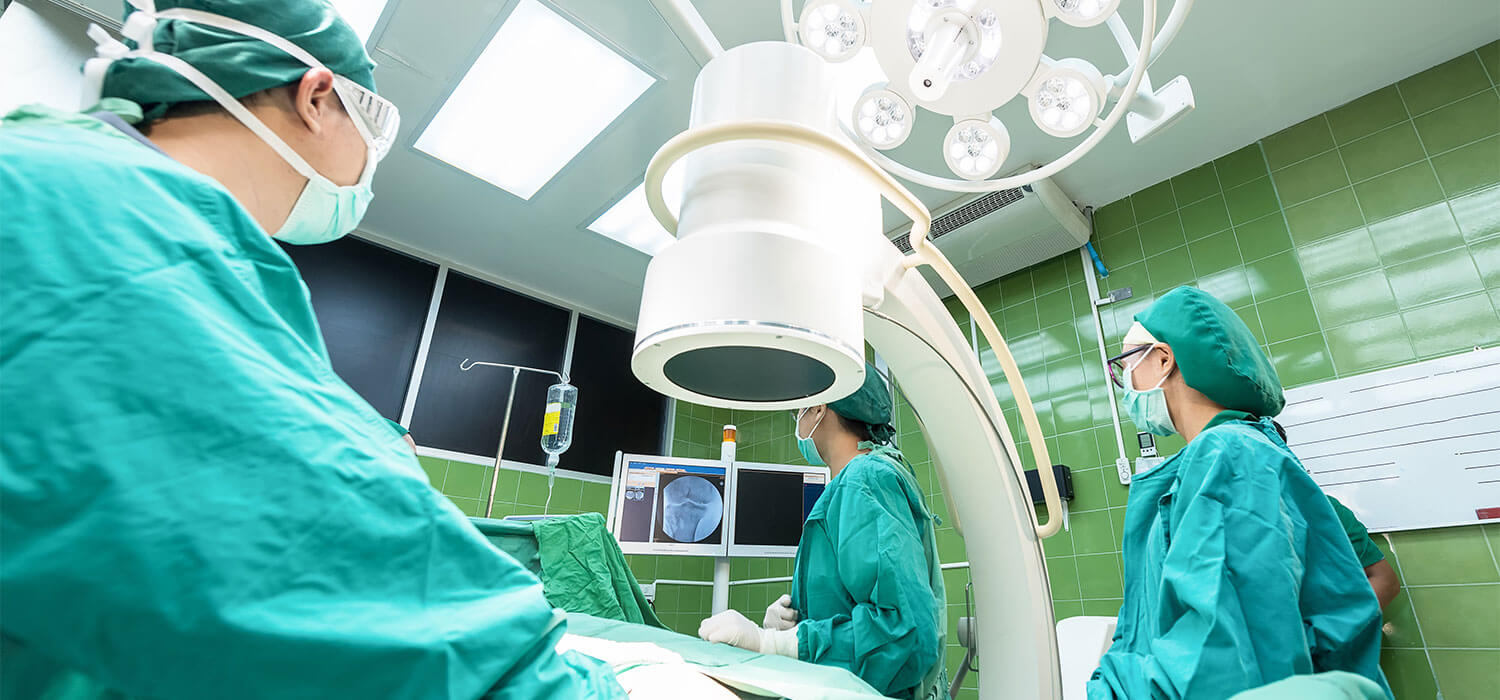
Cervical Cancer: Early Detection, Curative Treatment
India accounts for 1 in 5 cervical cancer cases globally. With screening and modern treatment, 80—90% of early-stage cases are curable.
Oncologist-led tumour boards
Insurance & Ayushman Bharat
Same-day daycare sessions

Expert oncologist-led care
Get a Free Treatment Cost Estimate
Share your details and our oncology coordinator will call you within 4 hours.
Rated 4.8/5 by patients
Your information is kept strictly confidential. No spam, ever.
Understanding Cervical Cancer
Cervical cancer develops in the lining of the cervix, the opening between the vagina and uterus. Human papillomavirus (HPV) infection—primarily types 16 and 18—is the root cause in 99% of cases. Most women clear HPV naturally within 2–3 years; persistent infection with high-risk types leads to precancerous changes (dysplasia), progressing to cancer over 10–15 years. This slow progression makes cervical cancer uniquely preventable through vaccination and screening.
India bears the highest absolute cervical cancer burden globally: 97,921 new cases annually (GLOBOCAN 2022), with 42,090 deaths. This disparity stems from low screening coverage (especially rural areas), limited HPV vaccination access, and late-stage diagnosis. However, when caught early via Pap smear or HPV DNA testing, 5-year survival exceeds 90%; advanced cases treated with concurrent chemoradiation still achieve 50–60% 5-year survival.
The disease is highly treatable if detected in Stages I–IIA (80–90% cure rates with surgery or combined chemoradiation). Modern regimens—concurrent cisplatin chemoradiation, bevacizumab for advanced disease, and emerging immunotherapy (pembrolizumab)—have transformed outcomes. Most early-stage patients return to normal life within 3–6 months; fertility-sparing surgery is possible in select cases. HealOnco delivers these curative pathways as outpatient daycare, reducing hospitalization and treatment costs by 40–50%.
Get a Free Treatment Cost Estimate
Share your diagnosis details. Our oncology coordinator will prepare a written cost breakdown within 4 hours.
✓ Response in 4 hours
✓ 100% confidential
Rated 4.8/5 by patients
Cervical Cancer Subtypes
Squamous Cell Carcinoma
Adenocarcinoma
Adenosquamous Carcinoma
Small Cell Carcinoma
Signs and Symptoms
- Post-coital bleeding: Vaginal bleeding or spotting after sexual intercourse; often first symptom in early cancer
- Intermenstrual bleeding: Vaginal bleeding between periods; irregular menstrual cycles
- Abnormal vaginal discharge: Watery, bloody, or foul-smelling discharge; may increase in volume
- Pelvic or lower abdominal pain: Persistent pain during intercourse (dyspareunia) or non-menstrual cramping
- Vaginal bleeding after menopause: Any vaginal bleeding in postmenopausal women warrants cervical evaluation
- Heavier, prolonged menstrual periods: Increased menstrual flow or duration; lower abdominal heaviness
- Rectal bleeding or painful bowel movements: If cancer invades rectum; may present with hematochezia or tenesmus
- Urinary symptoms: Dysuria, hematuria, urinary frequency if bladder involved; lower urinary tract symptoms
- Leg swelling or lymphedema: Unilateral leg edema from pelvic lymph node involvement; indicates advanced disease
- Constitutional symptoms in advanced disease: Weight loss, fatigue, loss of appetite (Stage III–IV); often delayed presentation in rural India
If you notice any of these, see a doctor. In most cases the cause turns out to be benign, but the only way to be sure is an evaluation.
Risk Factors
| Risk Factor | How Much It Raises Risk | Notes for Indian Patients |
|---|---|---|
| HPV infection (types 16, 18, 31, 33, 45) | Persistent high-risk HPV drives 99% of cervical cancers; HPV 16/18 account for 70% of cases | HPV prevalence in Indian women: 7–10% overall; highest in age 25–35; rural vaccination coverage <5% |
| Early sexual activity | Increased window for HPV acquisition; cervical immaturity increases susceptibility | Marriage age varies; rural areas see earlier sexual debut; limited comprehensive sexual education |
| Multiple sexual partners | Increases HPV exposure; each new partner adds HPV transmission risk | Social/religious norms limit screening discussion; monogamy assumed but sexual history not routinely explored |
| Smoking | Carcinogens (benzo[a]pyrene, nitrosamines) in tobacco impair cervical immune response; 1.5–2× RR | Bidi smoking common in rural India; tobacco chewing; indoor air pollution from biomass (cookstoves) |
| Immunosuppression (HIV, organ transplant, chronic corticosteroids) | Impaired T-cell immunity allows persistent HPV, rapid progression; 4–5× RR in untreated HIV | India: 2.4 million PLHIV; ART coverage ~77%; HIV+ women often lack cervical screening awareness |
| Prolonged oral contraceptive use (>10 years) | Slight increase in risk (1.2–1.5×); hormonal effects on cervical epithelium; confounded by sexual behavior | OCP use <15% in India; rural women rely on condoms or rhythm method; not a major driver |
| Multiparity (5+ full-term pregnancies) | Increased cervical trauma and remodeling; hormonal changes; 1.3–1.9× RR | High-fertility regions (rural North India, tribal areas); average TFR 2.3; fertility-related risk underappreciated |
| Screening gap in rural India | Only 28% of rural women have ever had Pap smear; delayed diagnosis at Stage III–IV | Infrastructure: mobile clinics rare; VIA (visual inspection with acetic acid) underutilized; cost barrier (₹100–300 per test) |
| Low HPV vaccination uptake | India’s childhood HPV vaccine (Gardasil 4 or Cervarix) introduced 2010; <5% coverage due to cost (₹3,000–5,000 per dose, 3 doses) and awareness | Govt program limited to select states; private schools primary access; myths about vaccine side effects persist in rural areas |
| Previous abnormal Pap smear or CIN (cervical intraepithelial neoplasia) | CIN untreated or inadequately followed progresses to cancer in 20–30% of CIN3 cases over 10 years | Many women with abnormal Pap results do not receive follow-up or treatment; lost to follow-up rate >40% |
Diagnostic Pathway
FIGO 2018 Staging & Prognosis
Talk to an Oncologist Today
Not sure about your stage or treatment options? Our specialists review your reports and guide you, no obligation.
✓ Response in 4 hours
✓ 100% confidential
Rated 4.8/5 by patients
Treatment Modalities
Cold knife conization or LEEP (loop electrosurgical excision procedure)
Indications: Stage IA1 (microinvasive cancer); margins must be negative; therapeutic and diagnostic
Removes cervical cone-shaped specimen under colposcopic guidance; full thickness removed
Outcomes: Recurrence <1% if margins negative; 95–98% cure for IA1
Cost in India: ₹3,000–8,000 (government); ₹8,000–15,000 (private)
Radical trachelectomy (vaginal or abdominal approach)
Indications: Stage IA2 or IB1, nulliparous women desiring fertility; no lymph node metastases
Removes upper 1/3 to 1/2 of vagina, parametria, uterosacral ligaments, upper vaginal supports; uterus preserved; concurrent pelvic lymphadenectomy mandatory
Outcomes: Preserves fertility; ~80% achieve live births; recurrence rate 3–5%; obstetric complications (incompetent cervix) common
Cost in India: ₹60,000–120,000 (private gynecologic oncology center); not widely available in public sector
Radical hysterectomy (Wertheim or modified Okabayashi procedure)
Indications: Stage IA2, IB1, IIA1 (surgically fit patients, no para-aortic node involvement)
Removes uterus, cervix, parametria (lateral tissues to pelvic sidewall), upper 1–2 cm of vagina, and bilateral pelvic lymph nodes (pelvic lymphadenectomy)
Outcomes: 85–95% 5-year survival for IB1 (if no nodal metastases); complications: lymphedema (15–20%), bladder dysfunction (5%), bowel dysfunction (2–3%)
Cost in India: ₹80,000–150,000 (private); ₹20,000–50,000 (government)
Pelvic exenteration (anterior, posterior, or total)
Indications: Stage IVA (bladder/rectal invasion without distant mets); selected recurrent disease in previously irradiated pelvis
Anterior: removes uterus, cervix, bladder, distal ureters, proximal urethra; posterior: removes uterus, cervix, rectum, distal colon; total: removes both + creates ileal or colonic conduit
Outcomes: Only curative option for IVA; 5-year survival 30–50% with negative margins; high morbidity (fistulas, infection, sexual dysfunction)
Cost in India: ₹200,000–400,000 (specialized oncology centers only)
External Beam Radiation Therapy (EBRT)
Indications: All stages IB2 and beyond; adjuvant for high-risk early stage; extended field RT for para-aortic involvement
Linear accelerator delivers 3D conformal or intensity-modulated radiation therapy (IMRT); targets pelvic/para-aortic lymph nodes and cervix/parametria; dose 45–55 Gy in 25–28 fractions (180–200 cGy daily)
Side effects: Acute: diarrhea, cystitis, mucositis; late (>6 months): adhesions, vaginal stenosis (30–50%), small bowel obstruction (2–3%), rectal bleeding
Cost in India: ₹60,000–150,000 (IMRT/3D-CRT for full course); limited public sector availability
Brachytherapy (intracavitary)
Indications: Essential in all Stage IB2 and advanced cancers with concurrent chemoradiation; improves local control and survival by 15–25%
Radioactive source (Cesium-137, Iridium-192, or cobalt-60; increasingly high-dose-rate [HDR] afterloading) placed intrauterine (tandem) and lateral vaginal fornices (ovoids); delivers high local dose to point A (parametrial tissues at lateral cervix) while sparing rectum/bladder; dose 85 Gy equivalent dose at 2 Gy per fraction (EQD2 to point A)
Side effects: Acute: vaginal bleeding, discharge, cramping; late: vaginal stenosis (30–60%), rectovaginal fistula (<1%), sexual dysfunction
Cost in India: ₹20,000–50,000 per brachytherapy application (typically 4–5 applications); HDR more expensive than LDR
Cisplatin 40 mg/m2 IV weekly during EBRT (5–6 doses)
Indications: Standard for Stage IB2 and all advanced cervical cancer (IIA2 onwards); improves 5-year survival by 10–15% vs. RT alone
Cisplatin radiosensitizes tumor; impairs DNA repair; synergistic with EBRT and brachytherapy
Tolerability: Nephrotoxicity (pre-hydration required), ototoxicity, nausea/vomiting, hematologic toxicity; renal function must be monitored
Cost in India: Cisplatin ₹200–500 per vial (very cheap); weekly infusions during 5–6 week RT course; total cost ₹20,000–40,000
Carboplatin AUC 2 weekly (alternative for renal impairment)
Indications: Cisplatin-refractory or when creatinine >1.5 mg/dL; less effective than cisplatin but tolerated better in elderly/high-risk
Cross-links DNA; less nephrotoxic than cisplatin
Tolerability: Hematologic toxicity more common; nausea less severe
Cost in India: ₹1,500–3,000 per dose (more expensive than cisplatin)
Cisplatin 75 mg/m2 + Paclitaxel 175 mg/m2 IV every 3 weeks × 6 cycles
Indications: Stage IVB (metastatic), recurrent disease, cisplatin + RT intolerant patients, palliative intent
Platinum-taxane doublet; cisplatin causes DNA crosslinks, paclitaxel stabilizes microtubules; synergistic activity
Response rate: 40–50% overall response; median OS 8–12 months in metastatic disease
Side effects: Hematologic (neutropenia, thrombocytopenia), peripheral neuropathy (20–30%, often cumulative), nephrotoxicity, alopecia, nausea
Cost in India: Cisplatin ₹300; paclitaxel ₹8,000–12,000 per dose (brand: Taxol, generic paclitaxel); 6 cycles ~₹100,000–150,000
Carboplatin AUC 5 + Paclitaxel 175 mg/m2 IV every 3 weeks × 6 cycles
Indications: Cisplatin-ineligible (renal dysfunction, neuropathy), elderly, recurrent disease
Less nephrotoxic than cisplatin; carboplatin often preferred in frail patients
Response rate: 35–45% overall response
Side effects: Hematologic (thrombocytopenia more common), neuropathy, alopecia, nausea
Cost in India: Carboplatin ₹2,000–3,500 per dose; paclitaxel ₹8,000–12,000; 6 cycles ~₹120,000–180,000
Bevacizumab (Avastin, anti-VEGF monoclonal antibody)
Indications: GOG-240 trial (2013): recurrent/metastatic cervical cancer, combined with cisplatin + paclitaxel; improves OS by 3.7 months (median OS 17 vs. 13.3 months); now standard for fit patients with metastatic disease
Blocks vascular endothelial growth factor (VEGF); inhibits angiogenesis; reduces tumor blood supply
Response rate: Improved PFS from 8.5 to 12.6 months (GOG-240)
Toxicity: Hypertension (25–30%), proteinuria, bleeding (rare in cervical CA vs. lung Ca), GI perforation (<1%), thrombotic events (2–3%)
Cost in India: Bevacizumab 400 mg/vial: generic ‘Bevacibart’ ₹15,000–20,000 per dose; Avastin ₹35,000–50,000; 6 doses ~₹90,000–300,000 depending on brand
Pembrolizumab (Keytruda, anti-PD-1 checkpoint inhibitor)
Indications: KEYNOTE-826 trial (2022): recurrent/metastatic cervical cancer, PD-L1 combined positive score (CPS) ≥1; combined with cisplatin + paclitaxel as first-line; improves 18-month OS by 15% (OS 74% vs. 59%)
Blocks PD-1 checkpoint; enhances T-cell-mediated tumor recognition; synergistic with chemotherapy
Response rate: ~60% objective response rate (KEYNOTE-826); median PFS 12 months vs. 9 months without pembrolizumab
Toxicity: Immune-related adverse events (irAEs): colitis (1–2%), pneumonitis (1%), hepatitis (1–2%), endocrinopathy (thyroiditis 2–3%); manageable with steroids
Cost in India: Pembrolizumab (Keytruda) 100 mg: ₹80,000–120,000 per dose; 6 doses ~₹600,000, then maintenance; prohibitive for most Indian patients; generic pembrolizumab entry pending 2026
Cemiplimab (anti-PD-1 alternative)
Indications: Later EMPOWER-Cervical trial (2023): metastatic/recurrent, PD-L1+ ≥1%; second-line after chemoradiation failure
PD-1 inhibitor; similar to pembrolizumab
Response rate: ~30–40% in heavily pre-treated population
Toxicity: Similar irAEs as pembrolizumab
Cost in India: Not yet widely available in India; expected ₹90,000–150,000 per dose when available
Why Concurrent Chemoradiation Is Standard for Advanced Disease
In the 1990s, five landmark randomized trials (including GOG-120, GOG-123, RTOG 90-01, SWOG 8797, PIVER-IV) compared radiation alone to concurrent cisplatin chemotherapy + radiation in cervical cancer Stage IB2–IVA. Results were dramatic: concurrent chemoradiation reduced deaths by 30–50%, improving 5-year survival by 10–15% (e.g., GOG-120: 71% vs. 59% for stages II–IVA). Cisplatin acts as a radiosensitizer, enhancing DNA damage, preventing sublethal damage repair, and enabling reoxygenation of hypoxic tumor areas. This benefit holds across all advanced stages (IB2 through IVA), making it the global standard.
The concurrent approach (chemotherapy and radiation overlapping) outperforms sequential or adjuvant-only chemotherapy. Brachytherapy, delivered in 4–5 intracavitary applications during or shortly after EBRT completion, is non-negotiable: it delivers a tumoricidal dose to the cervix and parametria (85 Gy equivalent dose at 2 Gy/fraction to point A) while sparing bladder and rectum. Without brachytherapy, local control falls to 50–60% and 5-year survival drops 15–20%. The combination of EBRT + concurrent cisplatin + brachytherapy cures 60–80% of Stage IB2 patients and 30–50% of Stage III patients.
In India, concurrent chemoradiation is cost-effective compared to surgery (radical hysterectomy + lymphadenectomy): a full CRT course (45 Gy EBRT + 4 brachytherapy applications + 6 weekly cisplatin) costs ₹150,000–250,000 in private centers, vs. ₹80,000–150,000 for surgery. Public sector CRT is ₹30,000–60,000 but queues and limited brachytherapy availability delay treatment. Completed treatment within 56 days (8 weeks) maximizes outcomes; delays >8 weeks worsen local control by 1% per day. HealOnco’s daycare model prioritizes CRT completion within target timelines, reducing hospitalization burden.
A Day at HealOnco: Concurrent Chemoradiation Week 2
8:00 AM Check-in & vitals: Patient arrives; nursing staff checks weight, BP, temperature, performance status. Labs reviewed (CBC, creatinine, electrolytes) from previous week; baseline nausea/vomiting grade documented.
8:15 AM Pre-hydration & antiemetics: 1–1.5 L normal saline IV infusion begins (30 min). Ondansetron 8 mg IV + dexamethasone 8 mg IV given; pre-chemo nausea prophylaxis started. Patient can have light breakfast if tolerated.
8:45 AM Cisplatin infusion: Cisplatin 40 mg/m2 (typically 60–80 mg total for average patient) diluted in 500 mL 0.9% saline + 2.5 g MgSO4 (for ototoxicity/nephrotoxicity protection). Infused over 60 minutes. Nurse monitors for allergic reaction, hypersensitivity (rare with cisplatin, common with carboplatin).
9:45 AM Post-chemo hydration & electrolyte repletion: 500 mL saline continued; potassium chloride 20 mEq IV added (cisplatin induces K wasting). Patient discharged home with anti-nausea medications (metoclopramide 10 mg TDS, prochlorperazine 5 mg TDS); advised to drink 2–3 L water daily.
10:15 AM Oncology review & treatment plan confirmation: Oncologist reviews tolerance, side effects, upcoming brachytherapy dates (if scheduled this week). Any severe toxicity (grade 3–4 nausea, neutropenia <1,000, creatinine jump >1.5× baseline) documented; treatment modifications discussed.
10:30 AM Radiation therapy: Patient escorts to Linear Accelerator (if co-located at HealOnco or partner facility). Pelvic EBRT: 3D-conformal or IMRT, dose 1.8–2.0 Gy/day; total 45 Gy over 5 weeks (25 fractions, 5 days/week). Simulation, patient positioning, image verification takes ~15 min per day.
11:00 AM Discharge with medications & symptom management: Discharge medications: metoclopramide 10 mg TDS, prochlorperazine 5 mg TDS, omeprazole 20 mg daily (acid suppression), stool softener (docusate 100 mg BID), loratadine for radiation dermatitis if needed. Hydration & dietary counseling: light, frequent meals, avoid spicy/fried foods. Contact number provided for acute toxicity.
1:00 PM—5:00 PM Post-treatment at home: Patient rests, drinks water/oral rehydration solution, eats light food (rice, dal, yogurt, banana). Takes anti-nausea meds on schedule. Mild fatigue common; rest advised. Weekly labs (CBC, creatinine) checked on day 3–4 post-chemo.
Weeks 2–6 Repeated weekly chemo cycles during EBRT: Same process repeats weekly during 5–6 week EBRT course. Total cost per week (chemo + RT + ancillary): ₹18,000–28,000 private, ₹5,000–8,000 public. Cumulative for full course: ₹90,000–140,000 private, ₹25,000–40,000 public.
Post-EBRT: Weeks 3–6 Brachytherapy intracavitary applications: After EBRT completion, 4–5 brachytherapy applications scheduled (typically 1 per week). Each session: patient admitted, general anesthesia or spinal block; tandem + ovoid applicators placed intrauterine and lateral vaginal fornix; MRI for dose planning; high-dose-rate iridium-192 afterloading (dose rate 12 Gy/hour to point A, 3–7 Gy per application, total 85 Gy EQD2). Hospital stay 4–6 hours. Cost per application ₹15,000–30,000 private; ₹3,000–6,000 public.
Need Help Understanding Your Diagnosis?
Upload your biopsy or scan report. Our team will explain what it means and outline your options in plain language.
✓ Response in 4 hours
✓ 100% confidential
Rated 4.8/5 by patients
Treatment Costs in India (Private vs. Government)
| Scenario | Treatment Combination | Govt Hospital | Private Hospital |
|---|---|---|---|
| Early-stage (IA2–IB1) Radical hysterectomy + bilateral pelvic lymphadenectomy | Govt: surgeon fees + OR cost + 5-day hospitalization. Private: adds anesthesia, advanced imaging, private room, post-op care. | ₹25,000–45,000 | ₹80,000–150,000 |
| Early-stage (IB1–IIA1) Concurrent chemoradiation (45 Gy EBRT + 4 brachytherapy + weekly cisplatin × 5–6 weeks) | Govt: minimal radiation charges, free cisplatin (ESIC/PMJAY); limited brachytherapy capacity. Private: linear accelerator + physicist fees ₹10,000/day; brachytherapy ₹15,000/session; cisplatin ₹300/dose × 6 = ₹1,800. | ₹30,000–50,000 | ₹150,000–280,000 |
| Advanced (IB2–IIIB) Concurrent chemoradiation + extended field (para-aortic) if needed | Private: extended field EBRT adds planning, simulation, physicist time; PET-CT staging ₹20,000; total RT cost ₹120,000–180,000. | ₹40,000–70,000 | ₹200,000–350,000 |
| Metastatic/Recurrent (IVB) Cisplatin + paclitaxel × 6 cycles | Govt: ESIC/PMJAY covers drugs if eligible. Private: paclitaxel (Taxol) ₹8,000–12,000/dose; cisplatin ₹300; 6 cycles ~₹100,000–150,000 + infusion center, labs, imaging. | ₹50,000–80,000 | ₹120,000–200,000 |
| Metastatic (IVB) Chemotherapy + bevacizumab (cisplatin + paclitaxel + Avastin) × 6 cycles | Private: Avastin ₹35,000–50,000/dose × 6 = ₹210,000–300,000; generic bevacizumab ₹15,000–20,000 = ₹90,000–120,000 (saves ₹100,000+). Chemo + infusion center ₹50,000–80,000. | ₹100,000–150,000 (if covered under scheme) | ₹300,000–500,000 |
| Metastatic (IVB) Pembrolizumab + chemotherapy × 6 cycles + maintenance | Private: Pembrolizumab ₹80,000–120,000/dose × 6 = ₹480,000–720,000; maintenance monotherapy ₹80,000/dose × 8–10 = ₹640,000–800,000 total. Chemo + imaging + supportive care ₹100,000–200,000. Often unaffordable for average Indian patient. | ₹200,000–400,000 (limited public availability) | ₹600,000–1,200,000+ |
| Pelvic exenteration (IVA bladder/rectal invasion, no distant mets) | Govt: ICU stay 5–7 days, complex surgery, limited private room access. Private: surgeon fees ₹100,000–200,000; ICU ₹10,000–15,000/day; ostomy care ₹20,000–50,000. | ₹100,000–200,000 | ₹400,000–800,000 |
| Supportive care (anti-emetics, hydration, imaging, labs, follow-up) across all treatments | Ondansetron ₹30–100/dose; MRI ₹3,000–6,000; CBC ₹200–400; imaging consultations ₹500–1,500 per visit. Private includes convenience fees, advanced imaging (PET-CT ₹20,000), frequent monitoring. | ₹10,000–20,000 | ₹50,000–100,000 |
Our Cervical Cancer Specialists
Specialist Panel Being Finalised
We are onboarding experienced medical and surgical oncologists for cervical cancer care. Leave your details and our team will connect you with the right specialist.
Our Centres
Centre Locations Coming Soon
HealOnco daycare centres offering chemotherapy, immunotherapy, and supportive cancer care are being set up across major cities. Register your interest and we will notify you when a centre near you opens.
Modern Approach vs. Historical Treatment
Treatment Trade-offs
Surgery (radical hysterectomy) vs. Concurrent chemoradiation for Stage IB1 Surgery Pros: Single definitive intervention; short treatment duration (2–4 weeks recovery); No long-term radiation toxicity (vaginal stenosis, small bowel adhesions); Fertility preservation possible with trachelectomy (though rare complications like cervical insufficiency in 2–3%); Adjuvant RT only needed if adverse features (parametrial spread, LVSI); most IB1 with negative nodes avoid adjuvant RT Surgery Cons: Surgical morbidity: lymphedema (15–20%), bladder dysfunction (5%), bowel dysfunction (2–3%), perioperative mortality 0.5–1%; Prolonged hospital stay (5–7 days) vs. daycare chemoRT; Higher upfront cost in some settings; Sexual dysfunction from surgical nerve injury (>20% report dyspareunia) Chemort Pros: Non-invasive; daycare-feasible; shorter cumulative hospitalization (4–5 days total for brachytherapy); Avoids surgical morbidity; lower perioperative risk for elderly/comorbid; Cost lower in public sector (₹30,000–50,000 vs. surgery ₹25,000–45,000 govt, ₹80,000–150,000 private); Treats pelvic/para-aortic nodes in one field Chemort Cons: Prolonged treatment (5–6 weeks EBRT + brachytherapy); requires frequent visits (34–38 days total over 8 weeks); Acute toxicity: fatigue, diarrhea, cystitis, nausea (20–30% grade 2–3); Late toxicity: vaginal stenosis (30–50%), small bowel obstruction (2–3%), rectal bleeding (2–5%); Compromised fertility: ovarian suppression/failure in 60–70% premenopausal women; no pregnancy possible during/soon after RT (2-year recovery)
Bevacizumab-containing regimen vs. Chemotherapy alone for Stage IVB Bevacizumab Pros: Improved OS: median 17 months vs. 13.3 months (GOG-240); 30% improvement in 2-year survival; Combination addresses hypoxic tumor microenvironment (chemotherapy + anti-angiogenesis); Tolerable in most patients; hypertension manageable with antihypertensives Bevacizumab Cons: Cost: ₹15,000–50,000 per dose depending on brand; 6 doses = ₹90,000–300,000 (bevacizumab is 50–75% of total cost); Potential serious toxicity: GI perforation (rare in gynecologic but reported in ~1%), thrombosis, hemorrhage; Requires careful patient selection (no bowel obstruction, recent surgery, or uncontrolled HTN) Chemo Alone Pros: Lower cost (cisplatin + paclitaxel ₹100,000–150,000 vs. ₹200,000+ with bevacizumab); Fewer drug interactions; simpler adverse effect management; Established safety profile in older trials Chemo Alone Cons: Lower response rates and shorter survival (median OS 13.3 months); High recurrence/progression rate (median PFS 8.5 months)
Fertility preservation (trachelectomy ± adjuvant RT) vs. Radical hysterectomy in Stage IA2–IB1 Trachelectomy Pros: Uterus preserved; 70–80% of women desire pregnancy; live birth rate 60–80% in those attempting conception; Avoids long-term surgical morbidity (lymphedema, bladder dysfunction) vs. radical hysterectomy; Psychological benefit: retained fertility hope; reduced depression/anxiety in young women Trachelectomy Cons: Complex surgery; requires expert gynecologic oncologist (limited availability in India; mostly metro centers); Obstetric complications: cervical insufficiency (2–3%), preterm birth (15–20%), need for cervical cerclage; Mandatory pelvic lymphadenectomy (adds time, cost, lymphedema risk); If adjuvant RT needed (for adverse pathology), ovarian failure likely (60–70% amenorrhea/menopause); Recurrence rate 3–5% (slightly higher than hysterectomy 1–2%, though not statistically significant in small studies) Hysterectomy Pros: Established procedure; lower recurrence rate (1–2%); Avoids need for adjuvant RT in most IB1 with negative nodes/no LVSI; Widely available even in secondary care centers Hysterectomy Cons: Permanent loss of fertility; profound psychological impact in nulliparous women <30 years; Surgical morbidity unavoidable; long-term sexual dysfunction (dyspareunia, reduced desire) in 20–30%
Treatment Side Effects & Management
What Our Patients Say
4.8 / 5
Based on patient recommendations
Testimonials and video stories will be added as patients share their experiences. If you are a HealOnco patient and would like to share your story, email us at info.healonco@gmail.com.
Patient Stories
Video testimonials coming soon. We are working with patients who have completed treatment and are willing to share their journey on camera.
Ready to Start Treatment?
Same-day daycare sessions. Walk in for your appointment, go home the same evening. Insurance and Ayushman Bharat accepted.
✓ Response in 4 hours
✓ 100% confidential
Rated 4.8/5 by patients
Frequently Asked Questions
Can I get HPV vaccine after cervical cancer diagnosis?
Will I be able to have children after cervical cancer treatment?
Is cervical cancer sexually transmitted or contagious to my partner?
What screening should my daughters have to prevent cervical cancer?
Can I undergo treatment if pregnant?
What is my prognosis? How long will I live?
Will I lose my hair during chemotherapy?
Can I work or exercise during chemoradiation?
What happens after treatment? Do I need follow-up?
What if my cancer comes back after treatment?
How much does treatment cost in India, and what financial support is available?
What is the difference between brachytherapy and external radiation? Why do I need both?
What are the signs of treatment complications I should watch for at home?
Can I have sex during or after treatment?
Medically reviewed by Oncology team, HealOnco
Last reviewed: 2026-04 | NMC Registration: [Pending]
Cervical Cancer Treatment in Top Cities
Cervical Cancer Treatment in Gurgaon
Cervical Cancer Treatment in Noida
Cervical Cancer Treatment in Mumbai
Cervical Cancer Treatment in Bangalore
Cervical Cancer Treatment in Hyderabad
Cervical Cancer Treatment in Chennai
Cervical Cancer Treatment in Kolkata
Cervical Cancer Treatment in Pune
Cervical Cancer Treatment in Chandigarh
Cervical Cancer Treatment in Lucknow
Cervical Cancer Treatment in Jaipur
Cervical Cancer Treatment in Ahmedabad
Cervical Cancer Treatment Cost by City
Cost pages for each city are being prepared and will link here once live. In the meantime, email info.healonco@gmail.com with your diagnosis details for a city-specific estimate.
Related Cancers We Treat
Ovarian Cancer
Uterine (Endometrial) Cancer
Vaginal & Vulvar Cancer
Supportive Care at HealOnco
References
- Sung H, Ferlay J, Siegel RL, et al. Global Cancer Statistics 2020: GLOBOCAN estimates of incidence and mortality worldwide for 36 cancers in 185 countries. CA Cancer J Clin. 2021;71(3):209–249. onlinelibrary.wiley.com
- Bhatla N, Aoki D, Sharma DN, Sankaranarayanan R. Cancer of the cervix uteri: 2021 update. Int J Gynaecol Obstet. 2021;155(S1):28–44. [Indian context, ICMR recommendations] www.ncbi.nlm.nih.gov
- GOG-120 (Gynecologic Oncology Group trial): Morris M, et al. Pelvic radiation with concurrent chemotherapy compared with pelvic and para-aortic radiation for high-risk cervical cancer. N Engl J Med. 1999;340(15):1137–1143. www.ncbi.nlm.nih.gov
- GOG-240 (Bevacizumab trial): Tewari KS, et al. Improved survival with bevacizumab in advanced cervical cancer. N Engl J Med. 2014;370(8):734–743. www.ncbi.nlm.nih.gov
- KEYNOTE-826 (Pembrolizumab trial): Colombo N, et al. Pembrolizumab for persistent, recurrent, or metastatic cervical cancer. N Engl J Med. 2023;385(17):1856–1867. www.ncbi.nlm.nih.gov
- WHO Cervical Cancer Elimination Initiative. Cervical cancer elimination as a public health issue. 2022. [Global strategy, India’s role] www.who.int
- FIGO (International Federation of Gynecology and Obstetrics) 2018 Staging for Cervical Cancer. Bhatla N, et al. Revised FIGO staging for carcinoma of the cervix uteri. Int J Gynaecol Obstet. 2019;145(1):129–135. www.ncbi.nlm.nih.gov
- National Cancer Registry Programme, Indian Council of Medical Research (ICMR). Cancer Incidence and Mortality across India 2012–2014. [India-specific epidemiology and burden] www.ncdirindia.org
- Cervical cancer and HPV vaccination: CDC/WHO guidelines on vaccinating immunocompromised women, catch-up vaccination through age 45. www.cdc.gov
- Schreuders PH, et al. Colorectal cancer screening outcomes in the European Union. Eur J Cancer. 2021; [global screening models adapted for cervical cancer context] pubmed.ncbi.nlm.nih.gov
- National Comprehensive Cancer Network (NCCN) Guidelines for Cervical Cancer. Version 2.2025. [Definitive clinical practice guidelines] www.nccn.org
- Ramirez PT, et al. Management of locally advanced cervical cancer. J Clin Oncol. 2020;38(25):2861–2876. [Modern multimodal approach] ascopubs.org
Medical Disclaimer: This page is for informational purposes only and does not substitute for professional medical advice, diagnosis, or treatment. Always consult a qualified oncologist before making treatment decisions. The cost figures are indicative ranges and may vary by hospital, city, and individual case. HealOnco does not guarantee specific outcomes. Survival statistics are population averages from published sources and do not predict any individual patient’s outcome.