
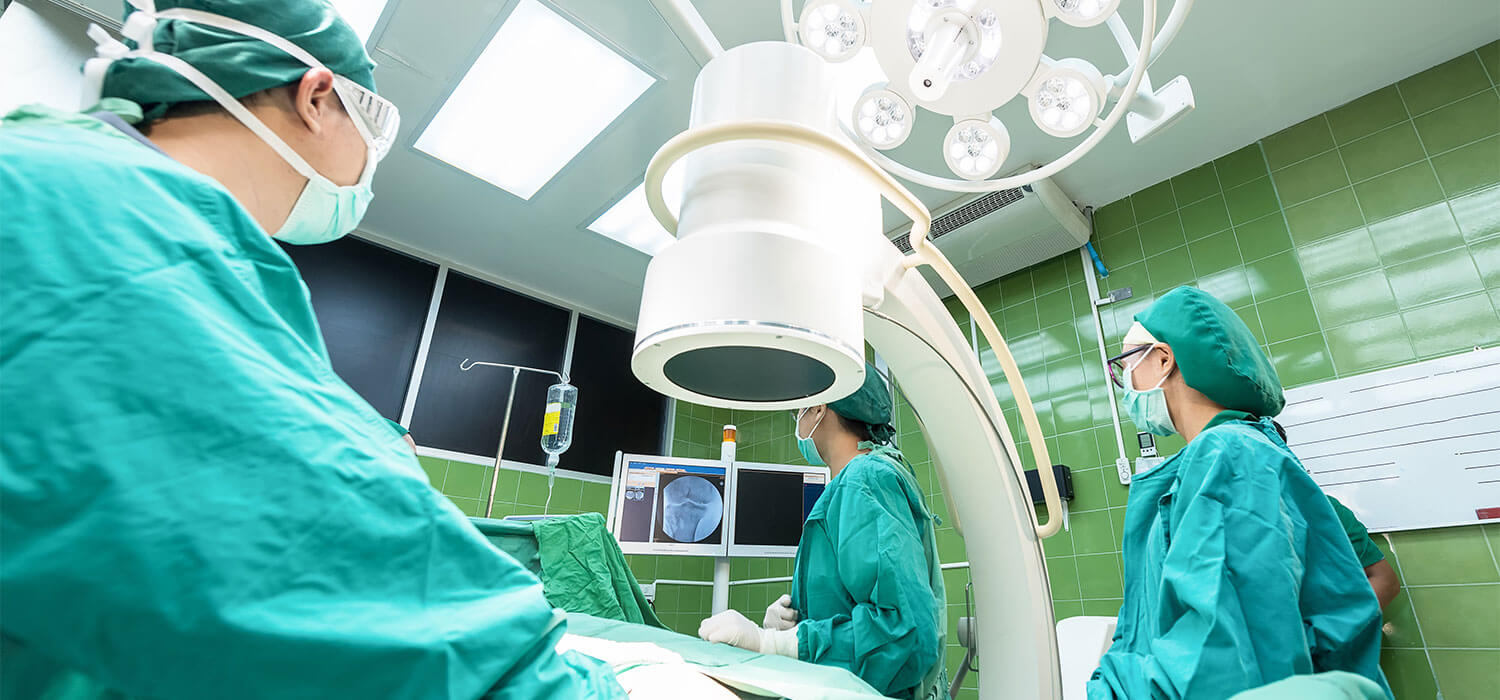
Delhi is one of two federally funded oncology hubs in India, alongside Mumbai. The city hosts the Dr B R Ambedkar Institute Rotary Cancer Hospital (BRA-IRCH) and the National Cancer Institute (NCI) Jhajjar unit of the a tertiary cancer centre, the autonomous a tertiary cancer centre and Research Centre at Rohini, the Delhi State Cancer Institute at Dilshad Garden, and a dense private tertiary network that includes leading cancer centres Indraprastha, a leading cancer centre, and a leading cancer centre. According to the ICMR-NCDIR Population Based Cancer Registry, breast cancer leads in Delhi women followed by cervix, ovary and gallbladder, while in Delhi men the leading sites are lung, prostate, tongue, mouth and gallbladder. This page is a directory and a decision aid for patients and families in Delhi who have a suspicion, a biopsy result, or a confirmed diagnosis and need to decide where to go, how the system works, what it costs, and which entitlements to stack. (See the ICMR-NCDIR cancer registries and the GLOBOCAN 2022 India fact sheet.)
What This Page Is: Cancer Care in Delhi From First Suspicion to Follow-Up
Cancer incidence in Delhi is tracked by the Population Based Cancer Registry (PBCR) Delhi, run under the ICMR National Centre for Disease Informatics and Research (NCDIR) in Bengaluru as part of the National Cancer Registry Programme. The most recent Three Year Report of PBCRs 2012-2016 and the Report on Cancer Burden in India 2020 place breast cancer as the leading site in Delhi women, with cervix, ovary, gallbladder and corpus uteri following, and lung, prostate, tongue, mouth and gallbladder leading in Delhi men. The Delhi age-adjusted incidence for breast and gallbladder in women and lung and tongue in men sits at or above the national urban average (see ICMR-NCDIR PBCR Delhi summary tables). GLOBOCAN 2022 estimates approximately 1.41 million new cancers and 920,000 deaths nationally (see GLOBOCAN 2022).
This page does not rank hospitals. It explains which Delhi institutions carry which tumour-board strengths, how the public pathway through a tertiary cancer centre and a tertiary cancer centre works in practice, what the average out-of-pocket cost bands look like for the commonest treatments, and which entitlements a Delhi resident can layer: Ayushman Bharat PMJAY, Central Government Health Scheme (CGHS), Delhi Arogya Kosh, the Health Minister’s Cancer Patient Fund, and Rashtriya Arogya Nidhi.
Who Treats Cancer in Delhi: Four Institutional Layers
Delhi’s oncology ecosystem splits into four layers: the federally funded public tertiary layer, the Delhi Government state tertiary layer, the autonomous non-profit layer anchored by a tertiary cancer centre, and the private tertiary layer. Each carries distinct strengths, waiting-time profiles, and cost structures. A Delhi patient choosing where to go for cancer treatment is really choosing which of these four layers fits their clinical urgency, financial position, and insurance or entitlement status. The sections below walk through each layer, naming the institutions and the modalities they offer, so that a family can build an informed shortlist before the first appointment.
Federal Tertiary Hub: a tertiary cancer centre, NCI Jhajjar, a tertiary cancer centre, a tertiary cancer centre, and a tertiary cancer centre
Dr BRA-IRCH on the a tertiary cancer centre Ansari Nagar campus has been operational since 1984 and provides surgical, medical, and radiation oncology with a dedicated paediatric haematology-oncology service. The newer a tertiary cancer centre NCI Jhajjar campus in Haryana, commissioned in phases from 2019, added proton planning capability, advanced radiotherapy bunkers, a larger bone marrow transplant unit, and a tissue repository, and is where an increasing share of a tertiary cancer centre radiation and surgical oncology volume has shifted (see NCI a tertiary cancer centre campus details). a tertiary cancer centre runs a medical and radiation oncology department with brachytherapy, and a tertiary cancer centre Medical College and a tertiary cancer centre Hospital handle gynaecologic and breast oncology load. Chacha Nehru Bal Chikitsalaya contributes paediatric oncology capacity (see a tertiary cancer centre institutional page). Registration at a tertiary cancer centre requires an OPD card; Delhi residents are routinely asked for an Aadhaar-linked address and, for concessional inpatient care, an income certificate.
Delhi State Cancer Institute, RGSSH, and the Government of NCT Layer
The Delhi State Cancer Institute (a tertiary cancer centre) at Dilshad Garden, an autonomous body under the Government of NCT of Delhi, offers surgical, medical, and radiation oncology and screens a large outpatient volume from east Delhi. Rajiv Gandhi Super Speciality Hospital at Tahirpur and Lok Nayak Hospital feed into this layer. Care for residents of Delhi with a valid Delhi voter ID or ration card may be free or significantly subsidised under the Delhi Arogya Kosh (DAK) and Delhi Arogya Nidhi schemes administered by the Directorate General of Health Services, Government of NCT of Delhi (see DGHS Delhi operational guidelines). For Delhi families with limited means and a Delhi residency proof, this state layer is often the first choice because it removes out-of-pocket cost for listed procedures.
a tertiary cancer centre Rohini: The Autonomous Cancer Centre Anchoring North Delhi
a tertiary cancer centre and Research Centre at Rohini is a society-run tertiary cancer centre with surgical, medical, radiation, haemato-oncology, and transplant services, and runs structured disease management groups that publish peer-reviewed outcomes. It is the largest dedicated cancer hospital in north India by inpatient volume and participates in national tumour board discussions and cooperative group trials (see a tertiary cancer centre institutional reports). a tertiary cancer centre accepts PMJAY and CGHS patients under defined package rates and runs a sizeable charity pool. For Delhi families in north and northeast Delhi, a tertiary cancer centre is geographically the closest tertiary cancer centre with a full-spectrum programme, and its transplant unit runs matched sibling, matched unrelated, and haploidentical platforms.
Private Tertiary Oncology in Delhi: leading cancer centres, and a leading cancer centre
a leading cancer centre at Saket runs a full-spectrum oncology programme with robotic surgery (da Vinci Xi), a dedicated gynaecologic oncology unit, and a BMT service; a leading cancer centre Patparganj and a leading cancer centre Shalimar Bagh extend that reach into east and north Delhi. a leading cancer centre Shalimar Bagh, a leading cancer centre Vasant Kunj, and a leading cancer centre Escorts Okhla carry surgical and radiation oncology capability. a leading cancer centre at Pusa Road has a high-volume BMT programme and runs a paediatric BMT unit. a leading cancer centre at Rajinder Nagar has strong gastrointestinal and hepatopancreatobiliary surgical oncology. a leading cancer centre at Vasundhara Enclave, originally founded as a trust cancer hospital and later operated under the a leading cancer centre group, retains a cancer-only focus. a leading cancer centre Indraprastha at Sarita Vihar runs medical, surgical, and radiation oncology, with CyberKnife and cross-referral of complex proton cases to a leading cancer centre Proton Cancer Centre in Chennai (see NCI PDQ standard-of-care equivalence and NCCN guidelines).
NCR Cross-Referral Network: leading cancer centres Gurgaon, a leading cancer centre Dwarka, and Proton Therapy Referral
a leading cancer centre at Sector 51 Gurgaon and a leading cancer centre The Medicity at Sector 38 Gurgaon are typically included in a Delhi patient’s shortlist because they sit within the NCR commuter catchment. a leading cancer centre (a leading cancer centre) at Sector 44 Gurgaon carries robotic surgery, CyberKnife, and a high-volume radiation oncology unit. a leading cancer centre Dwarka and a leading cancer centre Noida serve south-west and east Delhi families respectively. Felix Hospital at Sector 137 Noida covers Greater Noida and the eastern fringe. For proton therapy, which is not yet available in Delhi itself, patients are routinely referred to a leading cancer centre Proton Cancer Centre in Chennai under the PTCOG referral framework for paediatric CNS tumours, skull base chordomas, sinonasal cancers, and re-irradiation cases (see NCI PDQ proton beam therapy referral indications). For bone marrow transplant volumes, the a tertiary cancer centre ACTREC in Navi Mumbai remains a national reference alongside Delhi NCR units (see a tertiary cancer centre institutional page).
Cancer Types and Subtypes Most Commonly Treated in Delhi
Because Delhi is a referral hub, the full spectrum of solid and haematological malignancies is treated across the city, but the relative volume mix differs from the national profile. The ICMR-NCDIR PBCR Delhi data and GLOBOCAN 2022 India estimates together show that breast, cervix uteri, ovary, gallbladder, and corpus uteri lead in Delhi women, while lung, prostate, mouth, tongue, gallbladder, non-Hodgkin lymphoma, and leukaemia lead in Delhi men (see ICMR-NCDIR PBCR Delhi). Within each tumour type, Delhi tertiary centres cover all subtypes recognised in the WHO Classification of Tumours, 5th edition. For breast cancer that means hormone-receptor positive luminal A and B, HER2-positive, triple-negative including BRCA-associated, and the rarer inflammatory and metaplastic subtypes. For lung cancer, diagnostic workup includes reflex molecular panels for EGFR, ALK, ROS1, BRAF, KRAS G12C, MET exon 14, RET, NTRK, and HER2, with PD-L1 22C3 IHC, because first-line therapy in NSCLC is driven entirely by biomarker status (see ESMO NSCLC guidelines and NCCN NSCLC guidelines).
Molecular and Biomarker Testing Available Across Delhi NCR
Biomarker-driven treatment selection is standard at every major Delhi NCR cancer centre. Colorectal carcinoma is reflex tested for MMR by IHC with reflex BRAF V600E and MLH1 methylation, plus extended RAS, BRAF, HER2, and NTRK in metastatic disease. Prostate cancer workup at a tertiary cancer centre and a tertiary cancer centre includes HRR gene panels (BRCA1/2, ATM, PALB2, CHEK2) for advanced disease. Blood cancers are categorised by WHO HAEM5 and the International Consensus Classification, risk-stratified by ELN 2022 for AML and IMWG for myeloma. Gastric carcinoma is reflex tested for HER2 IHC with FISH, MMR, PD-L1 22C3 CPS, and Claudin 18.2 43-14A on managed access. Endometrial carcinoma uses the TCGA-aligned ProMisE classifier. NGS panels run at a tertiary cancer centre Molecular Pathology, a tertiary cancer centre referral, a tertiary cancer centre, a leading cancer centre Genomics, MedGenome, Strand, accredited diagnostic laboratories, and accredited diagnostic laboratories (see NCI PDQ biomarker testing guidance).
Symptoms and Red Flags: When a Delhi Resident Should Seek Oncology Referral
This section lists the symptom patterns for which the NCI PDQ summaries, the a tertiary cancer centre EBM manuals, and the ESMO patient guides recommend prompt specialist evaluation, annotated with how care is accessed in Delhi specifically. A breast lump, bloody or unilateral nipple discharge, skin dimpling, or a newly retracted nipple is a reason for same-week referral to a breast clinic: BRA-IRCH, a tertiary cancer centre, or a tertiary cancer centre in the public pathway, or a leading cancer centre Saket, leading cancer centres in private. Persistent cough of more than three weeks, haemoptysis, or unexplained weight loss in a current or ex-smoker, including bidi and hookah users in north India, should prompt a chest X-ray and if abnormal a contrast CT. Delhi’s annual mean PM2.5 concentrations have remained several multiples above the WHO Air Quality Guideline value for the last decade, which is a relevant background exposure for Delhi residents presenting with lung symptoms even without tobacco use (see IARC Monograph 109 on outdoor air pollution and WHO air quality guidelines).
Postcoital bleeding, intermenstrual bleeding, or any postmenopausal bleeding is an immediate referral to a gynaecologic oncology unit: leading cancer centres, or a tertiary cancer centre in the public or autonomous sector, or the leading cancer centres, or a leading cancer centre gynaecologic oncology units privately. ICMR-NCDIR PBCR data confirms cervix and corpus uteri are top-five cancers in Delhi women and cervical cancer is preventable through the HPV vaccine including CERVAVAC, the first indigenous HPV vaccine licensed in 2022. A change in bowel habit lasting more than four weeks, rectal bleeding, iron deficiency anaemia in a man or postmenopausal woman should trigger a colonoscopy at leading cancer centres in the region Saket, a leading cancer centre, or a leading cancer centre. Painless progressive jaundice with a palpable gallbladder is an urgent referral because gallbladder cancer is one of the commonest GI cancers in women in north India, with Delhi PBCR data consistently showing elevated rates (see Randi et al., gallbladder cancer epidemiology). Painless lymphadenopathy lasting more than four weeks with B symptoms is a haematology referral, and excision biopsy rather than FNAC alone is the standard per the Lugano classification and WHO HAEM5. Paediatric presentations with unexplained pallor, bruising, bone pain, or an abdominal mass are referred to CNBC, a tertiary cancer centre paediatric oncology, a tertiary cancer centre, or a leading cancer centre paediatric BMT (see MoHFW Patient Rights Charter).
Air Pollution, Tobacco, and Delhi-Specific Cancer Risk Factors
Tobacco, smoked and smokeless, remains the single largest attributable cause of cancer in north India. Smokeless tobacco (gutkha, khaini, zarda, paan masala) drives a disproportionate share of oral cavity cancer in Delhi, and bidi and hookah use contributes to lung, larynx, and hypopharynx cancer (see IARC Monographs 83, 89, and 100E). The Global Adult Tobacco Survey 2016-17 estimated Delhi adult tobacco use at approximately one in five adults. Ambient air pollution is a Group 1 carcinogen for lung cancer per IARC Monograph 109, and the WHO Global Air Quality Database places Delhi among the world’s most polluted megacities by annual mean PM2.5. The Lancet Commission on Pollution and Health estimated that ambient and household air pollution together contribute a measurable fraction of India’s lung cancer burden, with the fraction higher in Delhi than the national average. Dietary and metabolic factors, obesity, type 2 diabetes, and physical inactivity are rising in Delhi as in other Indian metros and are implicated in breast, endometrial, colorectal, kidney, pancreas, liver, and gallbladder cancers per IARC Handbook of Cancer Prevention Volume 16. HPV remains the cause of effectively all cervical cancers and a growing share of oropharyngeal cancers in Delhi. Hepatitis B and C are relevant for the liver cancer caseload presenting to ILBS and a tertiary cancer centre (see IARC Monograph 100B). Occupational exposures in Delhi’s informal sector, including asbestos, silica, diesel exhaust, wood dust in furniture trades, and chromium in electroplating, are documented causes in IARC Monograph 100C, 100F, and 118.
The practical takeaway for a Delhi resident is that tobacco cessation, HPV vaccination (including for boys up to 26 via the CERVAVAC label and for girls 9-14 under the national programme), Hepatitis B vaccination, weight management, and minimising outdoor exposure during severe air quality episodes together account for most of what can be modified at the individual level. Screening modalities with evidence in the Indian context are limited to breast clinical examination in the Mumbai cluster-randomised trial (Mittra BMJ 2021), VIA for cervical cancer, and oral visual inspection for oral cancer.
How a New Cancer Diagnosis Unfolds in Delhi: Public and Private Pathways
Diagnosis in Delhi NCR follows a tiered pathway. First contact is most often a general physician, gynaecologist, ENT surgeon, or pulmonologist in a Delhi government dispensary, a CGHS wellness centre, an ESIC dispensary, or a private clinic. Suspicion of cancer triggers referral to a tertiary cancer unit. In the public sector this is BRA-IRCH at a tertiary cancer centre, the surgical and medical oncology services at a tertiary cancer centre, a tertiary cancer centre, and a tertiary cancer centre, the Delhi State Cancer Institute at Dilshad Garden, and the satellite cancer wings under DGHS Delhi (see DGHS Delhi). In the private sector this is a tertiary cancer centre Rohini, a leading cancer centre Saket and Patparganj, a leading cancer centre Shalimar Bagh and Vasant Kunj, leading cancer centres Indraprastha, leading cancer centres Dwarka, a leading cancer centre Noida, and Felix Noida (see a tertiary cancer centre). Tissue diagnosis is mandatory before any cancer-directed treatment, in line with the a tertiary cancer centre EBM framework and ESMO and NCCN guidance.
Tissue Diagnosis, Histopathology, and Immunohistochemistry in Delhi NCR
Core needle biopsy under image guidance is the workhorse for breast, liver, lung, and soft tissue masses in Delhi. Endoscopic biopsy covers upper and lower GI lesions, with EUS-FNA at a tertiary cancer centre Gastroenterology, GB Pant, a tertiary cancer centre, a leading cancer centre, and a leading cancer centre for pancreatic and submucosal lesions. Bronchoscopy with EBUS-TBNA samples mediastinal nodes for lung cancer staging at a tertiary cancer centre Pulmonary Medicine, a tertiary cancer centre, a leading cancer centre, and a leading cancer centre. Cytology has a defined role for thyroid (FNAC under USG, Bethesda system), serous effusions, and cervical liquid-based cytology with reflex high-risk HPV DNA testing on cobas 4800 and Alinity m platforms in Delhi NCR labs and a tertiary cancer centre Cytology (see WHO cervical screening guideline 2021).
Histopathology is reported using the WHO Classification of Tumours 5th edition and CAP synoptic templates. Standard reflex IHC panels at Delhi NCR pathology services include ER, PR, HER2, and Ki-67 for breast carcinoma, with HER2-low recognised per ASCO/CAP 2023 to enable trastuzumab deruxtecan eligibility. Lung adenocarcinoma is reflex tested for EGFR, ALK, ROS1, BRAF V600E, KRAS G12C, MET exon 14, RET, NTRK1/2/3, HER2, and PD-L1 22C3 CPS using NGS panels at a tertiary cancer centre Molecular Pathology, a tertiary cancer centre referral, a tertiary cancer centre, a leading cancer centre, MedGenome, Strand, accredited diagnostic laboratories, and accredited diagnostic laboratories. Colorectal carcinoma uses universal MMR IHC with reflex BRAF V600E and MLH1 methylation. Gastric carcinoma is reflex tested for HER2 with FISH, MMR, PD-L1 22C3 CPS, and Claudin 18.2. Haematolymphoid disease is worked up with flow cytometry, conventional cytogenetics, FISH, and targeted molecular panels mapped to WHO HAEM5 and ELN 2022 (see NCI PDQ diagnostic guidance).
Imaging and Nuclear Medicine: PET-CT, MRI, and PSMA Scans in Delhi
Imaging across Delhi NCR is delivered on 1.5T and 3T MRI platforms, 64 to 256-slice CT, dedicated digital mammography with tomosynthesis, and PET-CT. leading cancer centres Saket, leading cancer centres, and a leading cancer centre operate FDG PET-CT. PSMA PET-CT for prostate cancer staging, validated by the proPSMA randomised trial referenced in NCI PDQ, is available at a tertiary cancer centre Nuclear Medicine, INMAS, leading cancer centres, and Mahajan Imaging. DOTANOC/DOTATATE PET-CT for neuroendocrine tumours runs at a tertiary cancer centre, INMAS, a tertiary cancer centre, and a leading cancer centre. Whole-body MRI for myeloma per IMWG is available at leading cancer centres in the region, and a leading cancer centre. Mammography screening for women aged 40 and older follows the ACR BI-RADS reporting framework, with Delhi programmes at leading cancer centres in the region, and a tertiary cancer centre offering low-cost or subsidised access under DGHS Delhi pathways. Cervical screening uses VIA, LBC, and HPV DNA testing aligned to the WHO global strategy for cervical cancer elimination. Faecal immunochemical testing and colonoscopy are deployed at a tertiary cancer centre Gastroenterology, GB Pant, leading cancer centres, and a leading cancer centre for symptomatic and high-risk screening per ESMO guidance.
Genetic Counselling and Hereditary Cancer Testing in Delhi NCR
Genetic counselling and germline testing for hereditary cancer syndromes are offered at the a tertiary cancer centre Genetics Clinic, the a tertiary cancer centre Cancer Genetics Clinic with Delhi NCR referral pathways, the a tertiary cancer centre Genetic Counselling Service, a leading cancer centre Genomics, a leading cancer centre Cancer Centres, and accredited NCR private labs. Panels cover BRCA1/BRCA2, PALB2, ATM, CHEK2, TP53, PTEN, STK11, CDH1, MLH1, MSH2, MSH6, PMS2, EPCAM, APC, MUTYH, BMPR1A, and SMAD4 per NCCN Genetic/Familial High-Risk Assessment and ESMO guidance. In Delhi, a patient with triple-negative breast cancer under 60, ovarian cancer at any age, pancreatic cancer with a family history, or early-onset colorectal cancer should ask the treating oncologist for a genetics referral, since a positive result changes treatment (PARP inhibitors for BRCA-mutant tumours) and alters surveillance for the entire family.
Staging Systems Used by Delhi NCR Tumour Boards
Solid tumours in Delhi NCR are staged using the AJCC/UICC TNM 8th edition, applied through multidisciplinary tumour boards at leading cancer centres in the region, and a leading cancer centre. Tumour boards combine surgical oncology, medical oncology, radiation oncology, radiology, nuclear medicine, pathology, palliative care, and disease-specific subspecialists, in line with ESMO and NCCN recommendations and the a tertiary cancer centre framework. Site-specific frameworks layered onto TNM include AJCC prognostic stage groups for breast cancer incorporating ER, PR, HER2, and grade; FIGO 2018 for cervical, endometrial, ovarian, vulvar, and vaginal cancers with imaging upgrade for IIIC1/IIIC2 cervical; BCLC for hepatocellular carcinoma; Lugano classification with PET-CT Deauville response assessment for lymphoma; IPI, FLIPI, MIPI, and IPSS-R for lymphoma and MDS; R-ISS for myeloma; ELN 2022 for AML; Rai/Binet for CLL; and separate AJCC TNM 8 schema for HPV-positive oropharyngeal carcinoma using p16 IHC. Prostate cancer uses NCCN very-low through very-high risk combined with EAU groupings, mpMRI PI-RADS v2.1, and PSMA PET-CT. Paediatric solid tumours follow Toronto/SIOP and COG risk stratification through CNBC, leading cancer centres Paediatric Haemato-Oncology, and a leading cancer centre (see NCI PDQ staging summaries).
Surgical Oncology in Delhi NCR: Open, Laparoscopic, and Robotic Procedures
Delhi NCR has a deep surgical oncology footprint. Open, laparoscopic, and robotic procedures (da Vinci Xi platforms) are offered at leading cancer centres in the region Saket, leading cancer centres Indraprastha, a leading cancer centre, a leading cancer centre Dwarka, and a leading cancer centre. Standard curative procedures include breast conservation surgery with sentinel lymph node biopsy validated by NSABP B-32 and ACOSOG Z0011, modified radical mastectomy, composite resection with free flap reconstruction for oral cavity cancer, transoral robotic surgery for oropharyngeal carcinoma, total laryngectomy with Provox TEP, radical and partial nephrectomy, robot-assisted radical prostatectomy with ePLND per ProtecT and EAU guidance, radical cystectomy with neobladder or ileal conduit, VATS or robotic lobectomy per CALGB 140503 and JCOG 0802, oesophagectomy (Ivor Lewis, McKeown, transhiatal, and minimally invasive), D2 gastrectomy per JCOG 9501 and the Dutch D1D2 trial, pancreaticoduodenectomy and distal pancreatectomy, hepatic resection and ablation per BCLC, laparoscopic and robotic colectomy and LAR with TME, CRS with HIPEC for peritoneal surface malignancy at leading cancer centres in the region, and a leading cancer centre, debulking for advanced ovarian cancer per EORTC 55971 and CHORUS, and radical hysterectomy per the LACC trial (see a tertiary cancer centre EBM surgical chapters and NCI PDQ surgical treatment guidance).
Radiation Oncology in Delhi NCR: IMRT, SBRT, Brachytherapy, and Proton Referral
Radiation oncology in Delhi NCR is delivered on linear accelerators with IMRT, VMAT, IGRT, SBRT, and SRS. Public-sector LINACs operate at leading cancer centres in the region, and a tertiary cancer centre. Private-sector LINACs run at leading cancer centres in the region, and a leading cancer centre. CyberKnife is available at a leading cancer centre Indraprastha and a leading cancer centre. Tomotherapy runs at a leading cancer centre. MRI-LINAC is available at a leading cancer centre and select centres. HDR Ir-192 brachytherapy for cervix, endometrium, vagina, prostate, breast APBI, and head and neck is delivered at leading cancer centres in the region, and a leading cancer centre per ICRU 89 and EMBRACE-II (see IAEA/ICRU 89 brachytherapy standards). Proton therapy is referred to a leading cancer centre Proton Chennai per PTCOG (see NCI PDQ proton therapy).
Standard fractionation regimens used in Delhi NCR include 40 Gy in 15 fractions hypofractionated whole breast per START B and 26 Gy in 5 fractions per FAST-Forward; 45 to 50.4 Gy concurrent chemoradiation for cervix with HDR brachytherapy per EMBRACE-I and EMBRACE-II; 70 Gy in 35 fractions concurrent CRT for head and neck per RTOG 9501 and Bonner cetuximab-RT; 60 Gy in 30 fractions concurrent CRT for stage III NSCLC followed by one year consolidation durvalumab per PACIFIC; 54 Gy in 30 fractions with concurrent and adjuvant temozolomide per Stupp for glioblastoma; 45 Gy in 25 fractions long-course CRT or 25 Gy in 5 fractions short-course per RAPIDO and PRODIGE 23 TNT for rectal cancer; SBRT 50 to 60 Gy in 3 to 5 fractions for early NSCLC per RTOG 0236 and CHISEL; and palliative 8 Gy single fraction for bone metastases per the Dutch Bone Metastasis Study (see NCI PDQ radiotherapy sections).
Medical Oncology in Delhi NCR: Chemotherapy Backbones and Biosimilars
Medical oncology services across Delhi NCR deliver chemotherapy, hormone therapy, targeted therapy, immunotherapy, antibody drug conjugates, and biosimilars from Indian manufacturers (Biocon, Hetero, Zydus, Cipla, Dr Reddy’s, Natco, Reliance Life Sciences, and Lupin) alongside originator molecules, in day-care chemotherapy units at leading cancer centres in the region, and Felix. Backbone regimens include AC-T and TCHP for breast cancer per BCIRG 006, APHINITY, KATHERINE, and KEYNOTE-522; FOLFOX, CAPOX, FOLFIRI, and FOLFOXIRI plus bevacizumab biosimilar for colorectal cancer per MOSAIC, IDEA, TRIBE, CALGB 80405, FIRE-3, and PARADIGM; FLOT4 for gastric cancer; gemcitabine-cisplatin for biliary tract per ABC-02 with durvalumab per TOPAZ-1; gemcitabine plus nab-paclitaxel and FOLFIRINOX for pancreatic cancer per MPACT and PRODIGE 24; cisplatin-etoposide for SCLC with atezolizumab per IMpower133 and durvalumab per CASPIAN; carboplatin-paclitaxel with PARP maintenance per SOLO-1, PAOLA-1, and PRIMA for ovarian cancer; BEP for testicular GCT per IGCCCG; ABVD and BV-AVD per ECHELON-1 for Hodgkin lymphoma; R-CHOP and Pola-R-CHP per POLARIX for DLBCL; Dara-VRd per GRIFFIN and PERSEUS for myeloma; 7+3 induction for AML per ELN 2022 with venetoclax-azacitidine per VIALE-A; and BFM/MCP-841 protocols for paediatric ALL with blinatumomab per TOWER and inotuzumab per INO-VATE for relapsed disease (see NCI PDQ systemic therapy summaries).
Targeted Therapy and Immunotherapy Across Delhi NCR Cancer Centres
Targeted therapy and immune checkpoint inhibitors in routine Delhi NCR practice include trastuzumab biosimilars (Biocon CANMAb, Hetero, Zydus), pertuzumab, T-DM1, trastuzumab deruxtecan per DESTINY-Breast03/04/Gastric01/Lung02, sacituzumab govitecan per ASCENT; CDK4/6 inhibitors palbociclib, ribociclib, and abemaciclib per PALOMA-2, MONALEESA-2/3/7, MONARCH 3, and monarchE; PARP inhibitors olaparib, talazoparib, niraparib, and rucaparib per OlympiA, OlympiAD, EMBRACA, PROfound, PROpel, MAGNITUDE, TALAPRO-2, SOLO-1, PAOLA-1, and PRIMA; EGFR TKIs osimertinib per FLAURA/FLAURA2/ADAURA/LAURA, ALK TKIs alectinib per ALEX and lorlatinib per CROWN, ROS1 repotrectinib per TRIDENT-1; BRAF/MEK dabrafenib-trametinib per COMBI-d/v and encorafenib-cetuximab per BEACON CRC; KRAS G12C inhibitors sotorasib and adagrasib per CodeBreaK 200/300 and KRYSTAL-1; MET inhibitors per GEOMETRY mono-1 and VISION; RET inhibitors per LIBRETTO-001 and ARROW; NTRK inhibitors larotrectinib and entrectinib; HER2 tucatinib per HER2CLIMB and MOUNTAINEER; BTK inhibitors ibrutinib, acalabrutinib, zanubrutinib, and pirtobrutinib per RESONATE-2, ELEVATE-TN, SEQUOIA, and BRUIN; BCL-2 inhibitor venetoclax per CLL14 and MURANO; bispecific T-cell engagers blinatumomab, mosunetuzumab, glofitamab, epcoritamab, teclistamab, talquetamab, and elranatamab; and immune checkpoint inhibitors pembrolizumab, nivolumab, atezolizumab, durvalumab, ipilimumab, cemiplimab, dostarlimab, and tremelimumab across KEYNOTE-024/189/407/048/355/522/590/826/859/A18/564, CheckMate 9LA/816/649/67T/141, IMpower010/110/133, PACIFIC, ADRIATIC, EMPOWER-Lung 1, RUBY, and HIMALAYA (see ESMO clinical practice guidelines and NCI PDQ targeted therapy sections).
Bone Marrow Transplant, CAR-T Cell Therapy, and Theranostics in Delhi NCR
Allogeneic and autologous haematopoietic stem cell transplantation is delivered at a tertiary cancer centre BMT, a tertiary cancer centre BMT, a leading cancer centre BMT, a leading cancer centre BMT, a leading cancer centre, a leading cancer centre Indraprastha, a leading cancer centre, and a leading cancer centre, with matched sibling, matched unrelated donor, haploidentical, and cord blood platforms per EBMT and ASTCT criteria (see NCI PDQ on HCT). CAR-T cell therapy in Delhi NCR includes the indigenous NexCAR19 (actalycabtagene autoleucel) developed by IIT Bombay and a tertiary cancer centre with ImmunoACT, rolled out under CDSCO approval, plus access pathways for axicabtagene ciloleucel, tisagenlecleucel, brexucabtagene autoleucel, lisocabtagene maraleucel, idecabtagene vicleucel, and ciltacabtagene autoleucel validated by ZUMA-1/2/5/7, ELIANA, JULIET, TRANSCEND, BELINDA, TRANSFORM, KarMMa, and CARTITUDE-1/4 (see NCI PDQ on CAR-T). Theranostics with 177Lu-DOTATATE (PRRT) per NETTER-1 and 177Lu-PSMA-617 per VISION and TheraP are delivered at a tertiary cancer centre Nuclear Medicine, INMAS, leading cancer centres, and a leading cancer centre. Radium-223 per ALSYMPCA and Y-90 SIRT per SIRFLOX/FOXFIRE are available at select Delhi NCR centres (see NCI PDQ theranostics references).
Supportive, Palliative, and Survivorship Care in Delhi
Supportive and palliative care in Delhi NCR follows WHO and ESMO standards and the National Programme for Palliative Care under the National Health Mission. Services include a tertiary cancer centre Palliative Care, the CanSupport home-based hospice programme across Delhi, Gurgaon, and Noida, Pallium India referral pathways, the Cipla Palliative Care Centre referral, the Indian Cancer Society Delhi, CanKids KidsCan paediatric psychosocial support, Cuddles Foundation paediatric nutrition, and Ugam Childhood Cancer Survivors network. Delhi NCR cancer programmes also deliver onco-fertility counselling and sperm/oocyte/embryo cryopreservation per ESHRE and ASCO, cardio-oncology surveillance per ESC and ASCO, oncology rehabilitation, lymphoedema care per ISL, oncology nutrition per ASPEN/ESPEN, and bereavement support. Pain management uses the WHO analgesic ladder and oral morphine, with Delhi NCR being a key Indian advocacy site for the 2014 NDPS Amendment that simplified opioid access (see a tertiary cancer centre EBM supportive care chapters).
Indicative Cost of Cancer Diagnosis and Imaging in Delhi NCR
Costs below are indicative 2025 to 2026 ranges collated from published a tertiary cancer centre reference pricing, CGHS package rates, Ayushman Bharat PMJAY Health Benefit Package 2022 oncology codes, and publicly listed package grids at NCR tertiary hospitals. Ranges span from a public or trust-subsidised pathway at leading cancer centres in the region, and a tertiary cancer centre through to a private package at leading cancer centres in the region, and Felix. Costs move with the specific regimen, stage, body surface area, length of stay, room category, choice of biosimilar versus originator, and entitlement status (see NHA PMJAY HBP 2022 and MoHFW scheme guidelines).
Diagnostic workup for a newly suspected solid tumour, including contrast CT, tumour-marker panel, core biopsy under image guidance, histopathology with a standard IHC panel, and MDT review, lands between roughly 18,000 and 95,000 rupees across Delhi NCR. Whole-body FDG PET-CT ranges between roughly 15,000 and 28,000 rupees. PSMA PET-CT for prostate staging ranges between roughly 18,000 and 32,000 rupees. DOTANOC PET-CT for neuroendocrine tumours ranges between roughly 20,000 and 35,000 rupees. NGS solid-tumour panels run between roughly 28,000 and 1,80,000 rupees depending on gene count and RNA fusion testing. BRCA1/BRCA2 and multigene hereditary panels run between roughly 18,000 and 55,000 rupees.
Indicative Cost of Cancer Surgery in Delhi NCR
Curative-intent surgery package ranges in Delhi NCR: breast conservation with SLNB and frozen section sits between roughly 1,10,000 and 3,80,000 rupees. Modified radical mastectomy with axillary clearance sits between roughly 1,50,000 and 4,20,000 rupees. Oncoplastic reconstruction adds between 80,000 and 3,00,000 rupees. Robot-assisted radical prostatectomy sits between roughly 3,50,000 and 9,50,000 rupees. Radical or partial nephrectomy sits between roughly 2,20,000 and 7,50,000 rupees. VATS or robotic lobectomy for early NSCLC sits between roughly 3,50,000 and 9,00,000 rupees. Ivor Lewis oesophagectomy sits between roughly 3,80,000 and 9,50,000 rupees. D2 gastrectomy sits between roughly 2,80,000 and 7,50,000 rupees. Whipple pancreaticoduodenectomy sits between roughly 3,50,000 and 10,00,000 rupees. Hepatic resection sits between roughly 3,50,000 and 11,00,000 rupees. Laparoscopic or robotic colectomy sits between roughly 2,20,000 and 6,50,000 rupees. LAR with TME sits between roughly 2,80,000 and 7,50,000 rupees. CRS with HIPEC sits between roughly 6,50,000 and 14,00,000 rupees. Debulking for ovarian cancer sits between roughly 2,50,000 and 7,50,000 rupees. Radical hysterectomy sits between roughly 2,00,000 and 5,50,000 rupees. Composite resection with free flap for oral cancer sits between roughly 3,50,000 and 9,50,000 rupees (see a tertiary cancer centre reference pricing and NCI PDQ).
Indicative Cost of Radiation Therapy in Delhi NCR
A full course of 3D-CRT for a standard site sits between roughly 1,10,000 and 3,50,000 rupees in Delhi NCR. IMRT or VMAT for a curative course sits between roughly 1,80,000 and 5,50,000 rupees. IGRT adds roughly 15,000 to 45,000 rupees per course. SBRT for early NSCLC, oligometastatic disease, or HCC sits between roughly 2,00,000 and 6,50,000 rupees. Stereotactic radiosurgery on CyberKnife or Gamma Knife sits between roughly 2,50,000 and 7,50,000 rupees. HDR brachytherapy for cervical cancer per EMBRACE-II sits between roughly 55,000 and 2,20,000 rupees for a full course. MR-LINAC adaptive radiotherapy, where offered, sits between roughly 3,50,000 and 9,50,000 rupees (see NCI PDQ radiotherapy cost context).
Indicative Cost of Systemic, Targeted, and Immune Therapy in Delhi NCR
Systemic therapy per cycle on biosimilar pricing at Delhi NCR day-care units: CAPOX roughly 12,000 to 45,000 rupees, FOLFOX roughly 15,000 to 55,000 rupees, FOLFIRINOX roughly 25,000 to 75,000 rupees, AC-T roughly 10,000 to 35,000 rupees, TCHP roughly 35,000 to 2,20,000 rupees depending on biosimilar versus originator, FLOT4 roughly 14,000 to 45,000 rupees, R-CHOP roughly 25,000 to 75,000 rupees, Pola-R-CHP roughly 2,80,000 to 5,20,000 rupees. Targeted and immune therapy monthly ranges: osimertinib roughly 1,10,000 to 3,20,000 rupees with generic and patient assistance pathways, imatinib under a leading cancer centre Foundation GIPAP free to eligible CML patients at a tertiary cancer centre, pembrolizumab per 3-weekly cycle roughly 1,75,000 to 3,50,000 rupees, nivolumab per 2-weekly cycle roughly 90,000 to 2,20,000 rupees, trastuzumab deruxtecan per cycle roughly 4,50,000 to 8,50,000 rupees, sacituzumab govitecan per cycle roughly 4,20,000 to 7,80,000 rupees. Cellular therapy: autologous SCT roughly 8,00,000 to 22,00,000 rupees, allogeneic SCT roughly 15,00,000 to 45,00,000 rupees, NexCAR19 CAR-T roughly 30,00,000 to 42,00,000 rupees. Theranostics: 177Lu-DOTATATE per cycle roughly 4,50,000 to 7,50,000 rupees, 177Lu-PSMA-617 per cycle roughly 4,50,000 to 7,80,000 rupees, Y-90 SIRT roughly 9,50,000 to 18,00,000 rupees (see NHA PMJAY oncology codes and MoHFW CGHS rates).
Entitlements and Financial Support: PMJAY, CGHS, Delhi Arogya Kosh, and Charity Pathways
PMJAY covers oncology under the Health Benefit Package 2022 with defined package rates for surgery, chemotherapy, radiation, and supportive care at empanelled Delhi NCR hospitals including leading cancer centres, and select private centres (see NHA PMJAY HBP 2022). CGHS and ECHS provide reimbursement at approved rates at listed NCR empanelled hospitals (see MoHFW CGHS guidelines). Delhi Arogya Kosh provides a financial ceiling to Delhi residents for listed procedures at Delhi Government hospitals (see DGHS Delhi DAK/DAN). The Health Minister’s Cancer Patient Fund and the Prime Minister’s National Relief Fund offer case-based grants for indigent patients at a tertiary cancer centre and other central institutions (see MoHFW HMCPF/RAN guidelines). Hospital-based charity pools, the Indian Cancer Society, CanKids KidsCan, and CanSupport extend means-tested support. Patients should request a written, itemised estimate and a package-versus-non-package comparison before admission, and should ask whether a biosimilar substitution is acceptable for trastuzumab, rituximab, bevacizumab, pegfilgrastim, and pertuzumab, since this single decision often halves systemic therapy cost without loss of efficacy as accepted by Indian regulators.
Patient and Family FAQs: First Week, Second Opinions, Public Versus Private, and Financial Planning
How should a Delhi resident with a new suspicion of cancer approach the first week? Request the referring physician to write a provisional diagnosis and a clear next-step list. Consolidate prior imaging, blood work, and any biopsy slides and blocks into a single folder, since Delhi NCR tumour boards will ask for blocks for central review. Book an appointment at a tertiary unit: a tertiary cancer centre OPD, a tertiary cancer centre Surgical Oncology, leading cancer centres, or a leading cancer centre. Ask the treating unit to present the case at a multidisciplinary tumour board before any cancer-directed therapy starts, in line with ESMO and NCCN practice.
Is a second opinion appropriate? A second opinion is a normal part of cancer care and is welcomed by Delhi NCR tertiary centres. Patients can obtain a formal second opinion at leading cancer centres in the region, or a leading cancer centre, or a central pathology review at the a tertiary cancer centre through NCR referral pathways. A second opinion is specifically worth requesting before major surgery, before starting a high-cost targeted therapy, before a decision to escalate to CRS with HIPEC, and before a decision to proceed to allogeneic transplant or CAR-T.
Public or private: which is right for a Delhi family? A Delhi resident with limited means who qualifies for PMJAY, CGHS, ECHS, ESIC, or Delhi Arogya Kosh can access internationally benchmarked oncology care at leading cancer centres in the region, and a tertiary cancer centre at subsidised or nil out-of-pocket cost, with the tradeoff that waiting times for elective imaging, surgery, or radiotherapy may run from several weeks to a few months. A patient with insurance, corporate cover, or private means may prefer a tertiary private centre for faster scheduling, single-room stay, and the full range of robotic surgery, SBRT, PSMA theranostics, and transplant services. Many Delhi families use a hybrid pathway: initial biopsy and diagnosis in a public unit, surgery in a private unit when speed is critical, and systemic therapy shared between a public day-care and a private satellite closer to home.
How to verify a doctor and an institution? Verify the oncologist’s registration on the Delhi Medical Council or the relevant State Medical Council online register and check the NMC national register for recognised postgraduate qualifications (MD, DM Medical Oncology, MCh Surgical Oncology, MD Radiation Oncology, DrNB). Prefer hospitals accredited by NABH and laboratories accredited by NABL (see NMC Indian Medical Register).
How to decide between a biosimilar and an originator biologic? Indian biosimilars of trastuzumab, rituximab, bevacizumab, pegfilgrastim, and pertuzumab are approved by CDSCO and are used routinely at a tertiary cancer centre and in tertiary private Delhi NCR centres. For most indications the clinical efficacy is considered equivalent at substantially lower cost, and patients should feel comfortable requesting a biosimilar option explicitly when reviewing the treatment plan and the itemised estimate.
What about clinical trials? Delhi NCR patients can be screened for open oncology trials at leading cancer centres in the region, and a leading cancer centre, as well as central a tertiary cancer centre referral. Indian trials are registered on the Clinical Trials Registry of India and global trials on ClinicalTrials.gov. A trial may offer access to a drug approved abroad but not yet marketed in India, at nil drug cost.
How to organise travel, lodging, and caregiving for families coming to Delhi from other states? North Indian families often travel into Delhi for tertiary care from Haryana, Punjab, Uttar Pradesh, Uttarakhand, Bihar, Jharkhand, Rajasthan, Himachal, and Jammu. Hospital-based dharamshalas and low-cost guest houses operate around a tertiary cancer centre, a tertiary cancer centre, and a tertiary cancer centre. CanSupport and the Indian Cancer Society help with practical support in Delhi, Gurgaon, and Noida. Families should plan for a minimum of two caregivers in rotation, one medical file custodian with copies of every report and a dated event log, and a single WhatsApp group with the treating unit’s coordinator for appointment updates.
How to plan finances and insurance? Review the health insurance policy for oncology coverage, waiting periods for pre-existing diseases, room-rent limits, co-pay clauses, and whether domiciliary chemotherapy and day-care procedures are covered. Ask the hospital’s billing desk for a written estimate before admission and request a cashless pre-authorisation where applicable. Check PMJAY, CGHS, ECHS, ESIC, and Delhi Arogya Kosh eligibility in parallel. For high-cost drugs, ask the treating oncologist to link the patient to manufacturer patient assistance programmes (a leading cancer centre Foundation GIPAP for imatinib, and assistance pathways for trastuzumab, osimertinib, ibrutinib, venetoclax, and pembrolizumab) (see NHA PMJAY and MoHFW HMCPF/RAN).
What questions should be asked at every tumour-board decision point? What is the TNM or site-specific stage? What is the biomarker panel and has reflex testing been done per ESMO and NCCN guidance? Is surgery curative-intent or palliative? Is neoadjuvant therapy indicated? What is the expected benefit in absolute terms? What are the side effects and how will they be monitored? Is there a clinical trial to consider? What is the palliative and supportive care plan? What is the follow-up surveillance plan per ESMO and NCCN? What is the written cost estimate and are biosimilar substitutions available? (See ESMO clinical practice guidelines.)
Cancers We Treat
Treatment Options
Cancer Treatments Available in Delhi
Explore treatment options, costs, top hospitals, and specialists for each cancer type in Delhi.
- Bladder Cancer Treatment in Delhi
- Blood Cancer Treatment in Delhi
- Bone Cancer Treatment in Delhi
- Brain Tumour Treatment in Delhi
- Breast Cancer Treatment in Delhi
- Cervical Cancer Treatment in Delhi
- Colon Cancer Treatment in Delhi
- Esophageal Cancer Treatment in Delhi
- Head & Neck Cancer Treatment in Delhi
- Kidney Cancer Treatment in Delhi
- Liver Cancer Treatment in Delhi
- Lung Cancer Treatment in Delhi
- Lymphoma Treatment in Delhi
- Multiple Myeloma Treatment in Delhi
- Oral Cancer Treatment in Delhi
- Ovarian Cancer Treatment in Delhi
- Pancreatic Cancer Treatment in Delhi
- Prostate Cancer Treatment in Delhi
- Rectal Cancer Treatment in Delhi
- Sarcoma Treatment in Delhi
- Skin Cancer Treatment in Delhi
- Stomach Cancer Treatment in Delhi
- Thyroid Cancer Treatment in Delhi
- Uterine Cancer Treatment in Delhi
Learn More About Each Cancer Type
- Bladder Cancer — Complete Guide
- Blood Cancer — Complete Guide
- Bone Cancer — Complete Guide
- Brain Tumour — Complete Guide
- Breast Cancer — Complete Guide
- Cervical Cancer — Complete Guide
- Colon Cancer — Complete Guide
- Esophageal Cancer — Complete Guide
- Head & Neck Cancer — Complete Guide
- Kidney Cancer — Complete Guide
- Liver Cancer — Complete Guide
- Lung Cancer — Complete Guide
- Lymphoma — Complete Guide
- Multiple Myeloma — Complete Guide
- Oral Cancer — Complete Guide
- Ovarian Cancer — Complete Guide
- Pancreatic Cancer — Complete Guide
- Prostate Cancer — Complete Guide
- Rectal Cancer — Complete Guide
- Sarcoma — Complete Guide
- Skin Cancer — Complete Guide
- Stomach Cancer — Complete Guide
- Thyroid Cancer — Complete Guide
- Uterine Cancer — Complete Guide