
12 minutes read
Lung Cancer Treatment in India: Options, Costs & What to Expect (2026)
India has the highest burden of lung cancer in Asia. Here's what you need to know about treatment options and realistic costs.
Lung cancer comes in two main types: small-cell lung cancer (SCLC) and non-small-cell lung cancer (NSCLC). NSCLC is more common, accounting for 85% of cases. Within NSCLC, there are further subtypes like adenocarcinoma and squamous cell carcinoma. Understanding your type matters because treatment varies significantly.
Staging ranges from stage 1 (localized, early) to stage 4 (spread to distant organs). Your stage is determined through imaging (CT scans, PET scans) and sometimes biopsies. Stage 1-2 cancers are potentially curable with surgery alone or combined with chemotherapy. Stage 3 typically requires multimodal treatment (surgery, chemotherapy, and radiation). Stage 4 focuses on extending life and managing symptoms. Your doctor will explain your specific type and stage after diagnosis.
Table of Contents
- Understanding Lung Cancer Types and Stages
- Surgery: When and How It Works
- Chemotherapy: How It Targets Cancer
- Radiation Therapy: Targeting Tumors Precisely
- Targeted Therapy and Precision Medicine
- Immunotherapy: Unleashing the Immune System
- Combined Approaches and Treatment Plans
- Treatment Costs in India: A Realistic Breakdown
Key Takeaways
- Treatment depends on cancer stage, type, and patient health. India offers all major treatment modalities at a fraction of global costs.
Understanding Lung Cancer Types and Stages
Lung cancer comes in two main types: small-cell lung cancer (SCLC) and non-small-cell lung cancer (NSCLC). NSCLC is more common, accounting for 85% of cases. Within NSCLC, there are further subtypes like adenocarcinoma and squamous cell carcinoma. Understanding your type matters because treatment varies significantly.
Staging ranges from stage 1 (localized, early) to stage 4 (spread to distant organs). Your stage is determined through imaging (CT scans, PET scans) and sometimes biopsies. Stage 1-2 cancers are potentially curable with surgery alone or combined with chemotherapy. Stage 3 typically requires multimodal treatment (surgery, chemotherapy, and radiation). Stage 4 focuses on extending life and managing symptoms. Your doctor will explain your specific type and stage after diagnosis.
Surgery: When and How It Works
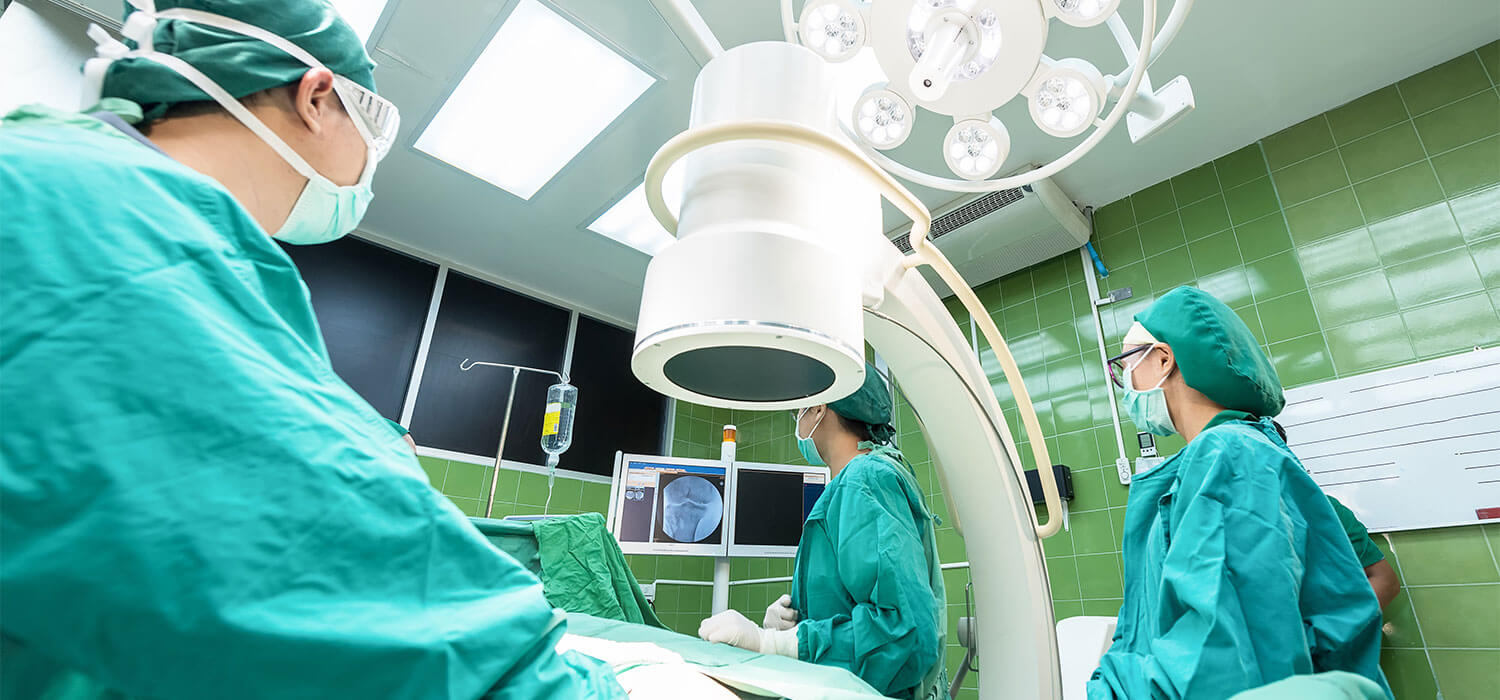
Surgery is the primary curative treatment for early-stage lung cancer. The extent of surgery depends on tumor size and location. A wedge resection removes the tumor and a small wedge of healthy tissue. A segmentectomy removes one segment of a lung lobe. A lobectomy removes an entire lung lobe. In rare cases, a pneumonectomy removes the entire lung.
Modern lung surgery is often minimally invasive (VATS video-assisted thoracic surgery or robotic-assisted), meaning smaller incisions, less pain, and faster recovery. These approaches are increasingly available in major Indian hospitals. Surgery typically takes 1-4 hours depending on the extent. Hospital stay is usually 3-7 days, with full recovery taking 4-6 weeks. Surgical success rates are excellent for early-stage disease, with 5-year survival rates exceeding 80% for stage 1.
Chemotherapy: How It Targets Cancer
Chemotherapy uses powerful drugs to kill cancer cells throughout your body. For lung cancer, chemotherapy is often given after surgery (adjuvant) to eliminate any remaining cancer cells, or before surgery (neoadjuvant) to shrink the tumor. In advanced cases, it’s the primary treatment. Common drugs include cisplatin, gemcitabine, pemetrexed, and docetaxel, often given in combination.
Chemotherapy is typically given in cycles, usually once every 2-3 weeks for several months. Each cycle includes the treatment days followed by a recovery period. Side effects can include nausea, fatigue, hair loss, and low blood counts. However, modern supportive medications manage these effects much better than in the past. Most patients continue working and normal activities during treatment, though fatigue is common.
Our Medical Team’s Perspective
When it comes to lung cancer treatment in india: options, costs & what to expect (2026), early detection and a well-planned treatment strategy make a measurable difference in outcomes. Every case deserves a thorough review by a qualified oncology team before starting treatment.
Have questions about lung cancer treatment in india: options, costs & what to expect (2026)? Talk to our oncology team.
Radiation Therapy: Targeting Tumors Precisely
Radiation therapy uses focused beams to kill cancer cells in a specific area. For lung cancer, external beam radiation is most common. Modern techniques like Intensity-Modulated Radiation Therapy (IMRT) and Stereotactic Body Radiation Therapy (SBRT) deliver high doses to the tumor while minimizing damage to surrounding healthy tissue. Treatment is painless and non-invasive.
Radiation is typically given daily for 4-8 weeks, depending on the dose and treatment goals. Sessions take 15-30 minutes. It’s often combined with chemotherapy for stage 3 disease. Side effects can include fatigue, cough, and throat irritation, but most resolve after treatment ends. For early-stage disease, SBRT alone can achieve cure rates similar to surgery in some patients.
Targeted Therapy and Precision Medicine
Many lung cancers have specific genetic mutations that can be targeted with precision drugs. The most common in India are mutations in EGFR (epidermal growth factor receptor) and ALK (anaplastic lymphoma kinase) genes. These mutations are found in about 40-50% of lung adenocarcinomas. If your cancer has these mutations, targeted therapy drugs are incredibly effective and often better tolerated than chemotherapy.
Targeted drugs like erlotinib, gefitinib, afatinib (for EGFR), and crizotinib, alectinib (for ALK) can be taken orally as pills. They work specifically against the mutation your cancer harbors. Response rates are 70-80% in first-line treatment. However, cancers often develop resistance over time, requiring second-line treatments. Genetic testing of your tumor is essential to identify if you’re a candidate for these therapies.
Immunotherapy: Unleashing the Immune System
Immunotherapy drugs work by helping your immune system recognize and attack cancer cells. PD-1/PD-L1 inhibitors (pembrolizumab, nivolumab, atezolizumab) are increasingly used for advanced lung cancer. These drugs are effective in patients whose tumors have high PD-L1 expression. When compared to chemotherapy alone, immunotherapy offers better survival in suitable candidates.
Immunotherapy is given as an intravenous infusion, typically every 2-4 weeks. Treatment continues until the cancer progresses or side effects become unmanageable. A major advantage is that side effects are often milder than chemotherapy. The main side effect is immune-related adverse events (iRAEs) like inflammation of the lungs, liver, or intestines, but these are manageable. Testing your tumor for PD-L1 expression helps predict response.
Combined Approaches and Treatment Plans
Most lung cancer treatment involves combining multiple modalities. For example, a stage 2 patient might have surgery followed by chemotherapy. A stage 3 patient might receive chemotherapy and radiation together, followed by surgery. A stage 4 patient with a targetable mutation gets targeted therapy, while someone without mutations might get immunotherapy or chemotherapy.
Your exact treatment plan depends on cancer type, stage, genetic tests, and your overall health. Your oncologist will discuss the benefits and risks of each approach. Some patients choose less aggressive treatment due to age or comorbidities, prioritizing quality of life over maximum survival. Open discussion about your goals and concerns with your team is important for making the right choice.
Treatment Costs in India: A Realistic Breakdown
Lung cancer treatment costs vary dramatically based on type, stage, and facility. Here’s a realistic breakdown in Indian Rupees for 2026. Surgical costs (lobectomy with hospital stay) range from ₹3,00,000 to ₹8,00,000 depending on hospital tier and whether it’s minimally invasive. Chemotherapy cycles cost ₹50,000 to ₹2,00,000 per cycle depending on drugs and hospital.
Radiation therapy (full course) costs ₹1,50,000 to ₹5,00,000. Targeted therapy drugs range from ₹15,000 to ₹50,000 per month for some oral drugs, while others cost ₹80,000 to ₹2,00,000 monthly. Immunotherapy costs ₹1,00,000 to ₹3,50,000 per infusion cycle. Many government hospitals and NGO-supported centers offer treatments at lower costs. Also, several drugs are now available as generic versions at significantly reduced prices.
Get a free second opinion from our specialists.
Key Takeaways Recap
Treatment depends on cancer stage, type, and patient health. India offers all major treatment modalities at a fraction of global costs. Complete guide to lung cancer treatment in India: surgery, chemotherapy, radiation, targeted therapy, immunotherapy. Costs in INR. Treatment options explained for patients.
Frequently Asked Questions
Will I lose my hair with lung cancer treatment?
Can I work while undergoing treatment?
How do I know which treatment is right for me?
Are generic cancer drugs as effective as branded versions?
What if I can't afford treatment?
Related Reading
Sources & References
- GLOBOCAN 2020: Lung cancer incidence and mortality worldwide
- National Cancer Registry Programme (NCRP), ICMR: Lung cancer statistics India
- American Society of Clinical Oncology (ASCO): Lung Cancer Treatment Guidelines
- National Comprehensive Cancer Network (NCCN): Lung Cancer Guidelines
- European Society for Medical Oncology (ESMO): Lung Cancer Treatment
Navigating Lung Cancer Treatment?
Get personalized guidance from HealOnco’s experienced oncologists. We’ll help you understand your options and make informed decisions about your care.

Leave a Reply