
Renal Cell Carcinoma (RCC) affects thousands of Indians annually. This guide provides comprehensive, evidence-based information.
Key takeaway: Understanding Renal Cell Carcinoma (RCC) empowers you to make informed decisions about your health and treatment.
Reviewed by Oncology Team, HealOnco | 2026-05 | 8-10 minutes read
Renal Cell Carcinoma (RCC) Treatment Landscape in India
Treating Renal Cell Carcinoma (RCC) in India has evolved significantly, with modern treatment options now available in tier 1 and tier 2 cities. Treatment depends on cancer stage, patient health, and individual preferences.
Most Renal Cell Carcinoma (RCC) patients receive a combination of treatments. Your oncologist will personalize your plan based on pathology findings, staging scans, and your overall health.
Surgery for Renal Cell Carcinoma (RCC)
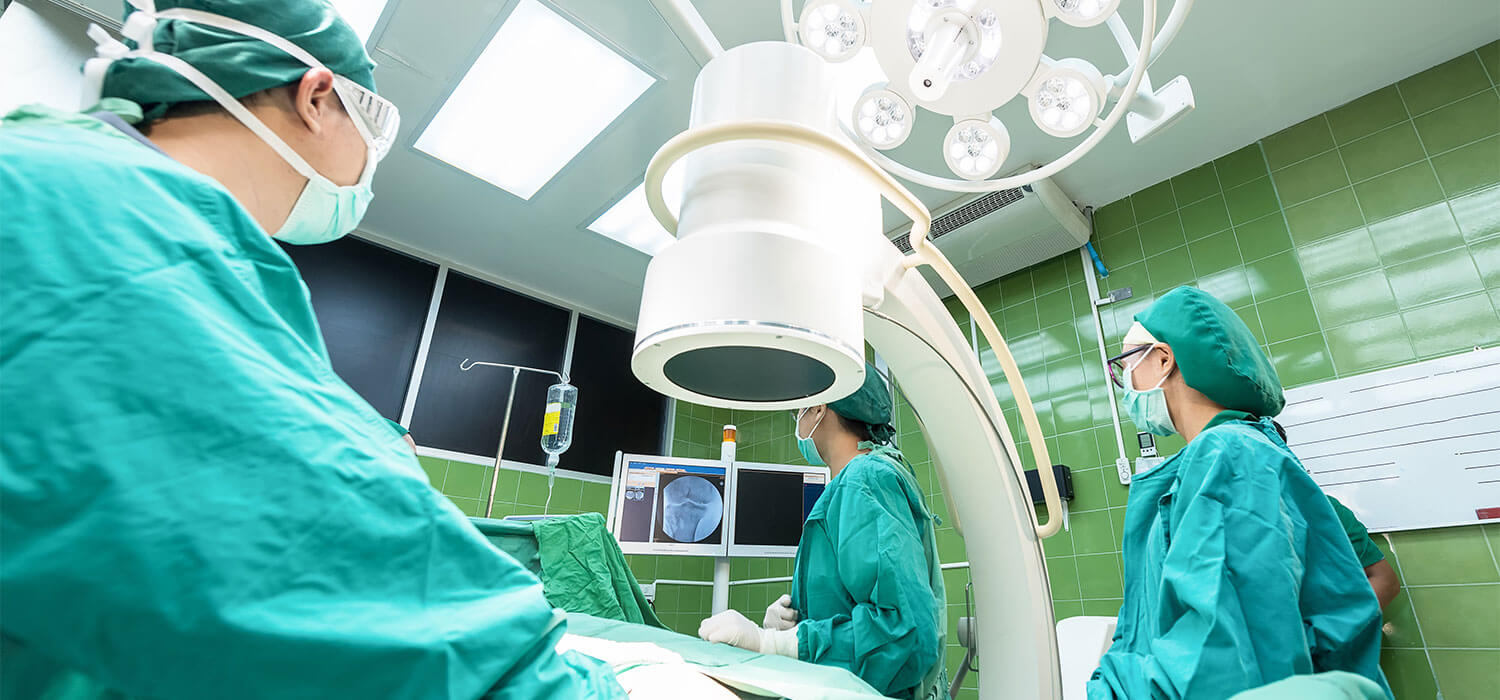
Surgery is often the primary treatment for Renal Cell Carcinoma (RCC). Available surgical options include: Partial or radical nephrectomy, Cytoreductive nephrectomy (metastatic disease)
The extent of surgery depends on cancer stage, location, and your overall health. Discuss with your surgeon what type of surgery is recommended and what recovery looks like.
- Partial or radical nephrectomy
- Cytoreductive nephrectomy (metastatic disease)
Targeted Therapy
Targeted drugs attack specific cancer cell features. Available options include: TKIs (Sunitinib, Sorafenib, Pazopanib), mTOR inhibitors (Temsirolimus, Everolimus)
These drugs are prescribed based on tumor genetic testing (like EGFR, BRCA, HER2 mutations). They typically have fewer side effects than traditional chemotherapy.
- TKIs (Sunitinib, Sorafenib, Pazopanib)
- mTOR inhibitors (Temsirolimus, Everolimus)
Immunotherapy
Immunotherapy helps your immune system fight cancer. Available options include: Nivolumab + Ipilimumab, Pembrolizumab + Axitinib, Atezolizumab + Bevacizumab
Immunotherapy is increasingly used for advanced cancers and may be combined with chemotherapy or given alone.
- Nivolumab + Ipilimumab
- Pembrolizumab + Axitinib
- Atezolizumab + Bevacizumab
Cost of Treatment in India
Treatment costs vary significantly based on cancer stage, hospital tier, and treatment type.
₹2,00,000 – ₹5,00,000 (private), ₹40,000 – ₹1,00,000 (govt)
for early-stage disease
₹5,00,000 – ₹12,00,000 (private), ₹1,00,000 – ₹2,50,000 (govt)
for advanced disease
Government hospitals offer subsidized care under PMJAY and CGHS. Many patients benefit from these schemes.
Treatment Timeline and What to Expect
Most cancer treatment lasts 3-12 months depending on type and stage. During this time, you’ll have regular doctor visits and imaging to monitor response.
After treatment, follow-up visits are typically monthly initially, then gradually spaced out. Surveillance for recurrence continues for at least 5 years.
Frequently Asked Questions
What treatment is best for my Renal Cell Carcinoma (RCC)?
How long does Renal Cell Carcinoma (RCC) treatment last?
Can I get Renal Cell Carcinoma (RCC) treatment in India without traveling abroad?
What are common side effects of Renal Cell Carcinoma (RCC) treatment?
Can I work during Renal Cell Carcinoma (RCC) treatment?
Is surgery necessary for all Renal Cell Carcinoma (RCC) patients?
Can genetic testing help with Renal Cell Carcinoma (RCC) treatment?
What's the difference between surgery and radiotherapy for Renal Cell Carcinoma (RCC)?
Need Help? Talk to Our Oncology Team
Our specialists can review your reports and recommend the right Renal Cell Carcinoma (RCC) treatment plan for your situation.
Book a Free Consultation
Leave a Reply