
8 read
Colon Cancer Treatment in India: Options, Costs & What to Expect (2026)
Your complete guide to colon cancer treatment options available in India, including surgical techniques, drug regimens, and realistic cost expectations for 2026.
Colon cancer incidence in India has risen sharply over the past decade, particularly in urban centers. What was once considered a disease of older populations now affects men and women in their 40s and 50s with increasing frequency. Metropolitan areas like Delhi, Mumbai, and Bangalore report significantly higher rates than rural regions.
The shift reflects India’s changing dietary patterns. Increasing red meat and processed food consumption, combined with sedentary lifestyles, creates an environment where colorectal cancer thrives. Simultaneously, improved diagnostic capacity means more cases are detected, though many still present at advanced stages.
The good news: survival rates in India have improved substantially. Patients now have access to world-class surgical teams, affordable generic chemotherapy drugs, and biosimilar targeted agents. Early colonoscopy screening in at-risk populations is becoming more common, allowing detection when treatment is most effective.
Table of Contents
- The Growing Colon Cancer Challenge in India
- Surgical Treatment: The Foundation of Colon Cancer Care
- Adjuvant Chemotherapy: Preventing Recurrence
- Targeted Therapy: Precision Treatment for Advanced Disease
- Immunotherapy: Breakthrough for MSI-High Tumors
- Radiation Therapy: Strategic Timing for Rectal Cancer
- Managing a Colostomy or Ileostomy
- Treatment Cost Breakdown in India (2026)
- Insurance and Financial Support
- The HealOnco Approach to Colon Cancer Treatment
Key Takeaways
- Colon cancer in India is increasingly diagnosed in younger, urban populations. Modern treatment combines surgery, chemotherapy, targeted therapy, and immunotherapy. Early diagnosis dramatically improves outcomes, and costs range from ₹3-15 lakhs depending on stage and treatment approach.
The Growing Colon Cancer Challenge in India
Colon cancer incidence in India has risen sharply over the past decade, particularly in urban centers. What was once considered a disease of older populations now affects men and women in their 40s and 50s with increasing frequency. Metropolitan areas like Delhi, Mumbai, and Bangalore report significantly higher rates than rural regions.
The shift reflects India’s changing dietary patterns. Increasing red meat and processed food consumption, combined with sedentary lifestyles, creates an environment where colorectal cancer thrives. Simultaneously, improved diagnostic capacity means more cases are detected, though many still present at advanced stages.
The good news: survival rates in India have improved substantially. Patients now have access to world-class surgical teams, affordable generic chemotherapy drugs, and biosimilar targeted agents. Early colonoscopy screening in at-risk populations is becoming more common, allowing detection when treatment is most effective.
Surgical Treatment: The Foundation of Colon Cancer Care
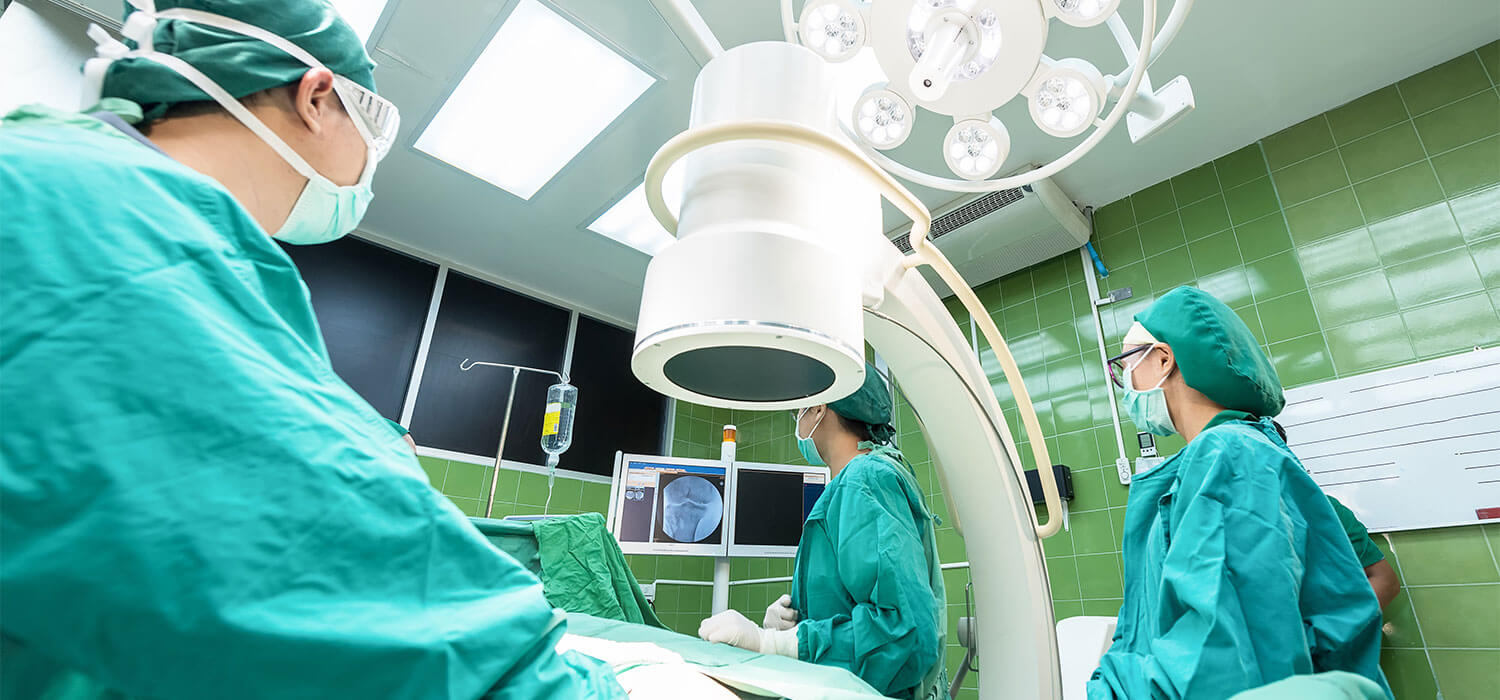
Surgery remains the primary curative treatment for colon cancer. The surgical approach depends on tumor location, stage, and patient factors. Most patients require resection of the affected bowel segment along with surrounding lymph nodes.
Laparoscopic colectomy has become the standard approach in major Indian cancer centers. This minimally invasive technique uses small incisions and a camera to guide the surgeon. Patients recover faster, experience less pain, and return to normal activities in 3-4 weeks compared to 6-8 weeks with open surgery. Hospital stays shrink from 5-7 days to 2-3 days.
Open surgery remains necessary for complex cases or locally advanced tumors. The surgeon makes a longer incision to access the tumor directly. This approach provides superior visualization for extensive disease but carries higher post-operative morbidity.
For rectal cancer, the surgical approach differs slightly. Low anterior resection removes the lower rectum while preserving continence. For very low tumors, abdominoperineal resection may require a permanent colostomy. Some surgeons use total mesorectal excision (TME) to reduce recurrence risk.
| Procedure | Hospital Stay | Recovery Time | Cost Range (INR) | Best For |
|---|---|---|---|---|
| Laparoscopic colectomy | 2-3 days | 3-4 weeks | ₹2,50,000 – ₹4,50,000 | Early to moderate stage colon cancer |
| Open colectomy | 5-7 days | 6-8 weeks | ₹2,00,000 – ₹4,00,000 | Advanced or complex cases |
| Low anterior resection | 4-5 days | 4-6 weeks | ₹3,00,000 – ₹5,00,000 | Mid to low rectal cancer |
| Total mesorectal excision | 4-5 days | 5-6 weeks | ₹3,50,000 – ₹5,50,000 | High-risk rectal cancer |
| Hartmann’s procedure | 3-4 days | 4-5 weeks | ₹2,50,000 – ₹4,00,000 | Emergency/obstructed tumors |
Adjuvant Chemotherapy: Preventing Recurrence
After surgery, most stage II and all stage III colon cancers receive adjuvant chemotherapy. This systemic treatment kills microscopic cancer cells that surgery may have missed, significantly reducing recurrence risk.
FOLFOX (fluorouracil, leucovorin, oxaliplatin) is the gold standard regimen in India. Patients receive cycles every 2 weeks for 12 weeks (6 months total). Each cycle includes a 2-hour infusion followed by a portable pump for continuous 5-FU over 46 hours. The regimen reduces 5-year recurrence by 20-25% in stage III disease.
CAPOX (capecitabine, oxaliplatin) offers an oral alternative. Capecitabine is taken twice daily for 14 days, followed by oxaliplatin infusion on day 1. This regimen suits patients with poor venous access or those preferring less time in treatment centers. Efficacy matches FOLFOX.
Generic 5-fluorouracil costs just ₹200-500 per vial in India, a fraction of Western prices. Oxaliplatin biosimilars cost ₹8,000-12,000 per cycle. A complete 6-month adjuvant course costs ₹2,50,000-4,00,000, making comprehensive chemotherapy accessible even for middle-income patients.
Side effects include neuropathy (numbness in hands/feet), fatigue, and digestive upset. Most toxicities resolve within weeks of treatment completion. Dose adjustments manage severe reactions without compromising efficacy.
Our Medical Team’s Perspective
When it comes to colon cancer treatment in india: options, costs & what to expect (2026), early detection and a well-planned treatment strategy make a measurable difference in outcomes. Every case deserves a thorough review by a qualified oncology team before starting treatment.
Have questions about colon cancer treatment in india: options, costs & what to expect (2026)? Talk to our oncology team.
Targeted Therapy: Precision Treatment for Advanced Disease
Tumors with specific mutations respond dramatically to targeted agents. Testing for KRAS, BRAF, and microsatellite instability (MSI) guides treatment selection for stage IV disease.
Bevacizumab (Avastin) targets tumor blood vessel formation. Indian biosimilars cost ₹12,000-18,000 per cycle compared to ₹1,50,000+ for the original drug. Studies show 2-3 month survival gains when combined with chemotherapy in metastatic disease.
Cetuximab blocks epidermal growth factor receptor (EGFR). Patients with wild-type KRAS tumors benefit most, experiencing response rates of 40-50%. Biosimilar versions cost ₹8,000-15,000 per infusion. Characteristic acne-like rash affects 70% of patients but indicates drug activity.
For BRAF-mutant tumors (10-15% of cases), BRAF inhibitors plus MEK inhibitors deliver response rates exceeding 60%. These newer agents remain expensive in India (₹80,000-1,20,000 monthly) but are increasingly covered by corporate health insurance.
Immunotherapy: Breakthrough for MSI-High Tumors
Pembrolizumab revolutionized treatment for MSI-H (microsatellite instability-high) colon cancers. About 15% of colon cancers carry this marker, which signals defective mismatch repair. These tumors produce numerous mutations that trigger immune recognition.
Checkpoint inhibitors remove the brakes on immune surveillance, allowing T-cells to attack cancer cells. Response rates in MSI-H disease reach 50-60%, with durable responses in many patients. Unlike chemotherapy, responses can deepen over months.
MSI-H testing costs ₹5,000-8,000 and should precede treatment in all advanced disease. Immunotherapy is covered increasingly by insurance schemes and government programs in India. Pembrolizumab costs ₹70,000-1,00,000 per infusion every 3 weeks.
Immune-related side effects include colitis, pneumonitis, and hepatitis, though severe toxicity affects fewer than 5% of patients. The toxicity profile differs favorably from chemotherapy, with fewer neuropathic effects and less nausea.
Radiation Therapy: Strategic Timing for Rectal Cancer
Rectal cancer patients often receive radiation, either before surgery (neoadjuvant) or after (adjuvant). Neoadjuvant radiation shrinks tumors, improves surgical resection margins, and reduces local recurrence by 20-30%.
Standard neoadjuvant therapy includes short-course radiation (5 Gy daily for 5 days) followed by surgery 1-2 weeks later. Alternatively, long-course therapy (45 Gy over 5 weeks) with concurrent chemotherapy offers superior tumor downsizing but extends pre-operative treatment.
Colon cancers rarely require radiation unless locally advanced with suspicious lymph nodes or inadequate surgical margins. Radiation costs ₹1,50,000-2,50,000 for a complete course, including imaging and planning.
Managing a Colostomy or Ileostomy
Some patients require permanent or temporary stomas (openings from bowel to skin) after surgery. Abdominoperineal resection, total proctocolectomy, and emergency decompression in obstructed patients may necessitate stomas.
Temporary stomas (Hartmann’s pouch) can often be reversed 3-6 months later in a second operation. Permanent stomas require lifelong management with pouches, which cost ₹200-500 each and need changing every 3-5 days.
Stoma adjustment involves psychological and practical adaptation. Many patients resume normal activities, exercise, and intimacy. Support groups in major Indian cities help with coping. HealOnco connects patients with stoma nurses and counselors during the transition.
Treatment Cost Breakdown in India (2026)
Colon cancer treatment costs in India vary dramatically by stage and modality. Early detection significantly reduces expense by enabling surgery-only approaches.
Stage I disease typically requires surgery alone (₹2,00,000-4,00,000) with no systemic therapy, yielding 5-year survival above 90%.
Stage II requires surgery plus 6 months adjuvant chemotherapy (₹4,50,000-7,00,000 total). Surveillance colonoscopy every 3-5 years adds minimal cost.
Stage III demands surgery, chemotherapy, and often radiation (₹6,00,000-10,00,000 total). Combined modality improves 5-year survival to 60-70%.
Stage IV metastatic disease requires combination chemotherapy with targeted therapy or immunotherapy (₹10,00,000-20,00,000+ annually). Progression through multiple regimens extends costs.
| Stage | Surgery Cost | Chemotherapy Cost | Targeted/Immuno Cost | Radiation Cost | Total Range (INR) |
|---|---|---|---|---|---|
| Stage I | ₹2-4L | None | None | None | ₹2-4 lakhs |
| Stage II | ₹2.5-4.5L | ₹2.5-4L | None | None | ₹5-8.5 lakhs |
| Stage III | ₹3-5L | ₹2.5-4L | Targeted if advanced | ₹1.5-2.5L | ₹7-11.5 lakhs |
| Stage IV (colon) | ₹3-5L | ₹2.5-4L | ₹8-12L (bevacizumab/cetuximab) | ₹1.5-2.5L | ₹15-23.5 lakhs |
| Stage IV (rectal) | ₹3.5-5.5L | ₹2.5-4L | ₹8-12L | ₹1.5-2.5L | ₹15.5-24 lakhs |
Insurance and Financial Support
Most corporate health insurance policies in India cover colon cancer treatment, though coverage limits and deductibles vary. Comprehensive policies typically cover ₹10-25 lakhs, sufficient for stage II-III disease but potentially inadequate for stage IV metastatic disease requiring prolonged targeted therapy.
Government schemes like Ayushman Bharat cover ₹5 lakhs per family annually for eligible beneficiaries, covering basic surgery and early chemotherapy but not expensive targeted agents.
Many cancer centers offer payment plans, splitting costs over 12-24 months interest-free. Pharmaceutical companies provide patient assistance programs for expensive drugs like pembrolizumab and BRAF inhibitors.
International patients traveling to India for treatment benefit from lower costs. Comparable surgery and chemotherapy at accredited centers cost 40-60% less than in Western countries, making India an attractive destination for cancer care.
The HealOnco Approach to Colon Cancer Treatment
HealOnco connects colon cancer patients with India’s leading oncological surgeons and medical oncologists from day one. Our screening identifies high-risk patients earlier, when treatment is most effective and costs lower.
We coordinate multimodal care: surgical planning, chemotherapy scheduling, and follow-up imaging occur seamlessly. Patients avoid the fragmentation and lost time typical of Indian healthcare.
Our network includes centers equipped for laparoscopic resection, intraoperative ultrasound, and rapid molecular testing. Financial transparency means no surprise costs. We present options clearly, including generic and biosimilar alternatives that reduce expense without compromising outcomes.
Post-treatment surveillance employs standardized protocols: CEA levels every 3 months, CT imaging annually for high-risk patients, and regular colonoscopy. Early recurrence detection allows salvage treatment before symptoms develop.
Get a free second opinion from our specialists.
Key Takeaways Recap
Colon cancer in India is increasingly diagnosed in younger, urban populations. Modern treatment combines surgery, chemotherapy, targeted therapy, and immunotherapy. Early diagnosis dramatically improves outcomes, and costs range from ₹3-15 lakhs depending on stage and treatment approach. Complete guide to colon cancer treatment in India. Learn about surgery, chemotherapy, immunotherapy, costs, and what to expect throughout your journey.
Frequently Asked Questions
What is the survival rate for colon cancer in India?
Is laparoscopic surgery better than open surgery for colon cancer?
How long does chemotherapy take, and what are the side effects?
What does immunotherapy do for colon cancer?
How much does colon cancer treatment cost in India?
Can a colostomy be reversed?
Related Reading
Sources & References
- Bray F, Laversanne M, Weiderpass E, et al. The ever-increasing importance of cancer as a leading cause of premature death worldwide. Cancer. 2021;127(16):3029-3054.
- Indian Council of Medical Research. National Cancer Registry Programme. Three-Year Report of Population Based Cancer Registries, 2020-2022.
- Quah HM, Chou JF, Gonen M, et al. Identification of patients with high-risk stage II colon cancer for adjuvant therapy. Dis Colon Rectum. 2008;51(5):503-507.
- André T, Boni C, Navarro M, et al. Improved overall survival with oxaliplatin, fluorouracil, and leucovorin as adjuvant treatment in stage II or III colon cancer in the MOSAIC trial. J Clin Oncol. 2009;27(19):3109-3116.
- Cremolini C, Loupakis F, Antoniotti C, et al. Early tumor shrinkage as a surrogate of efficacy in metastatic colorectal cancer: data from the translational research in colorectal cancer integrated translational research in gastrointestinal oncology study. Cancer. 2015;121(18):3250-3256.
- Overman MJ, McDermott R, Leach JL, et al. Nivolumab in patients with metastatic DNA mismatch repair-deficient or microsatellite instability-high colorectal cancer (CheckMate 142): an open-label, multicentre, phase 2 study. Lancet Oncol. 2017;18(9):1182-1191.
- Sauer R, Becker H, Hohenberger W, et al. Preoperative versus postoperative chemoradiotherapy for rectal cancer. N Engl J Med. 2004;351(17):1731-1740.
- National Comprehensive Cancer Network. Colon Cancer (Version 2.2026). https://www.nccn.org/professionals/physician_gls/pdf/colon.pdf
Ready to Understand Your Colon Cancer Treatment Options?
Schedule a consultation with HealOnco’s oncology team. We’ll review your pathology, discuss personalized treatment approaches, and clarify costs upfront. Early planning improves outcomes and reduces unexpected expenses.

Leave a Reply